홈MCP워크벤치Skills
홈워크벤치알림마이페이지
llms.txt · MCP 가이드개인정보처리방침 · 이용약관 · 지원v1.8.0
  1. 홈
  2. /반응

Ammonium bisulfate → 1,1-Dimethoxy-3-methyl-2-butene

HRID 428644
노트
인쇄 미리보기

반응식

HRID 428644 반응식
[Cl-].C([NH+](CC)CC)C.[C:9]1([CH3:19])[CH:14]=CC(S([O-])(=O)=O)=C[CH:10]=1.[NH+]1C=CC=CC=1.S(=O)(=O)(O)[O-].[NH4+].S(=O)(=O)(O)[O-].[K+].[CH:38]([O:45][CH2:46]C)([O:42][CH2:43]C)OCC.CC(C)=CC=O>S(=O)(=O)(O)[O-].C([N+](CCCC)(CCCC)CCCC)CCC.C(O)C>[CH3:46][O:45][CH:38]([O:42][CH3:43])[CH:10]=[C:9]([CH3:19])[CH3:14]
참가 물질반응 조건실험 절차후처리출처 및 근거반응 노트

참가 물질

9

반응물 6

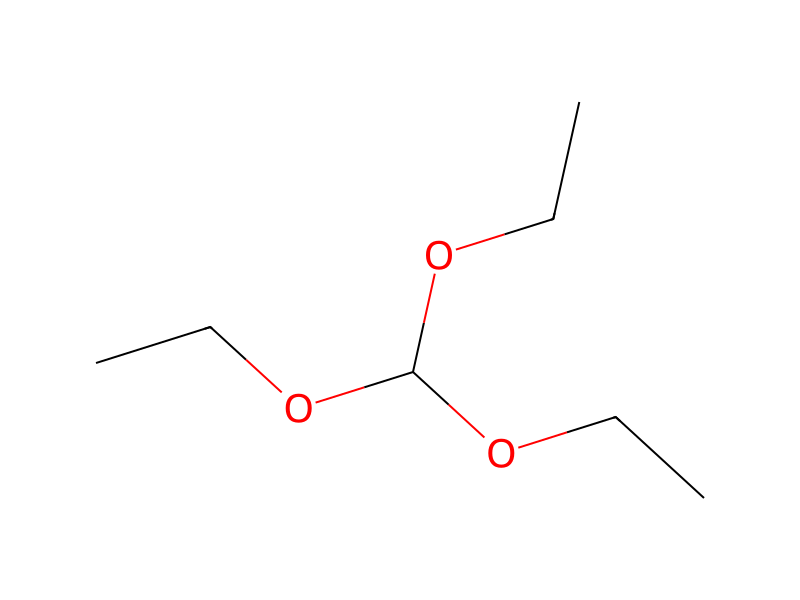
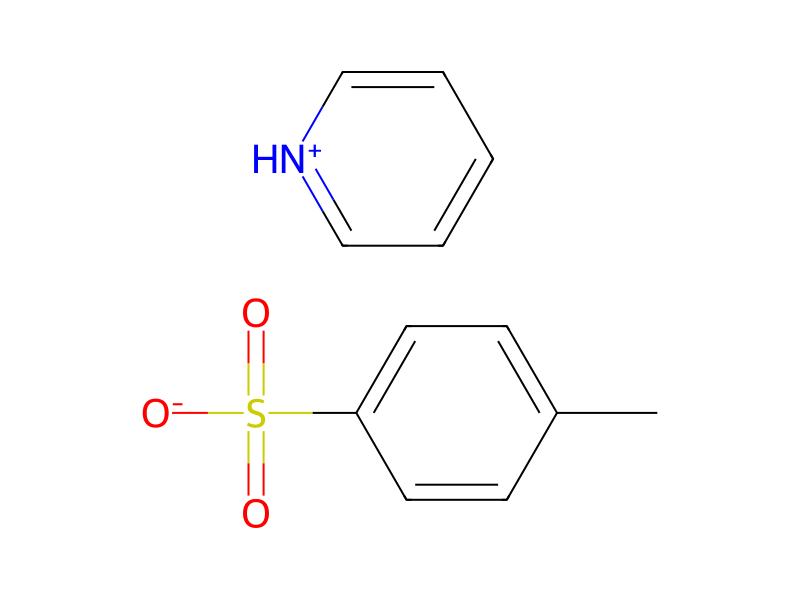
HCID 24655Ammonium bisulfateHCID 31214Ethyl orthoformateHCID 610203-Methyl-2-butenalHCID 466102Benzenesulfonic acid, 4-methyl-, compd. with pyridine (1:1)HCID 516920Potassium bisulfate2회HCID 12698378Triethylazanium chloride

생성물 1

HCID 11040731
1,1-Dimethoxy-3-methyl-2-butene
수율 85%

시약·촉매·용매 2

HCID 94433Tetrabutylammonium hydrogen sulfate촉매HCID 702Ethanol용매

반응 조건

온도
2 °C

실험 절차

Various acidic catalysts were tested in J. Org. Chem. 1995, 60, 1995, 3397-3400. Use of p-toluenesulfonic acid resulted in polymerization of the 3-methyl-2-butenal. Triethylammonium chloride, pyridinium p-toluenesulfonate, tetrabutylammonium bisulfate and ammonium bisulfate likewise gave unsatisfactory results. Potassium bisulfate proved to be more suitable. The reaction conditions are likewise described in the Patent Application EP 0629619. Triethyl orthoformate and 3-methyl-2-butenal are added to abs. ethanol at 4° C. The clear solution is cooled to 2° C., and potassium bisulfate is added. The heterogeneous reaction mixture warms to 10° C. owing to the exothermic reaction. The mixture is then allowed to warm to 21° C. over the course of 45 minutes and is then stirred at this temperature for 15 minutes. The catalyst is then filtered off and washed with ethanol. The filtrate is mixed with potassium carbonate and stirred at room temperature for one hour. The potassium carbonate is then likewise filtered off and washed with ethanol. Distillation affords 3-methyl-2-butenal dimethyl acetal in a yield of 85%. The disadvantages of this process are that elaborate temperature control is required and the alternating cooling and warming steps require increased energy consumption and elaborate apparatus.

후처리

  1. customThe reaction conditions
  2. customat 4° C
  3. customwarms to 10° C.
  4. customowing to the exothermic reaction
  5. temperatureto warm to 21° C. over the course of 45 minutes
  6. filtrationThe catalyst is then filtered off
  7. washwashed with ethanol
  8. additionThe filtrate is mixed with potassium carbonate
  9. stirringstirred at room temperature for one hour
  10. filtrationThe potassium carbonate is then likewise filtered off
  11. washwashed with ethanol
  12. distillationDistillation

출처 및 근거

ORD 기록
ord-aef827e49b1848f49d055e3970894285
출처 데이터셋
uspto-grants-2001_11
DOI
10.6084/m9.figshare.5104873.v1
특허 번호
US06313322B1

반응 노트

불러오는 중…

이 페이지에서참가 물질반응 조건실험 절차후처리출처 및 근거반응 노트