홈MCP워크벤치Skills
홈워크벤치알림마이페이지
llms.txt · MCP 가이드개인정보처리방침 · 이용약관 · 지원v1.8.0
  1. 홈
  2. /반응

Hydrochloric Acid → 4-[N-[7-Chloro-3-methyl-2-(4-(2-hydroxyethyl)-piperazin-1-yl)methyl-4-oxo-3,4-dihydroquinazolin-6-ylmethyl]-N-(prop-2-ynyl)amino]-N-(3-pyridylmethyl)benzamide

HRID 47866
노트
인쇄 미리보기

반응식

HRID 47866 반응식
[Cl:1][C:2]1[CH:11]=[C:10]2[C:5]([C:6](=[O:25])[N:7]([CH3:24])[C:8]([CH2:12][N:13]3[CH2:18][CH2:17][N:16]([CH2:19][CH2:20][OH:21])[CH2:15][CH:14]3CC)=[N:9]2)=[CH:4][C:3]=1[CH2:26][N:27]([C:31]1[CH:43]=[CH:42][C:34]([C:35]([O:37]C(C)(C)C)=O)=[CH:33][CH:32]=1)[CH2:28][C:29]#[CH:30].[NH2:44][CH2:45][C:46]1[CH:47]=[N:48][CH:49]=[CH:50][CH:51]=1.C1CN([P+](ON2N=NC3C=CC=CC2=3)(N2CCCC2)N2CCCC2)CC1.F[P-](F)(F)(F)(F)F.C(N(C(C)C)CC)(C)C.Cl.[OH-].[Na+]>ClCCl.FC(F)(F)C(O)=O.CN(C=O)C.O>[Cl:1][C:2]1[CH:11]=[C:10]2[C:5]([C:6](=[O:25])[N:7]([CH3:24])[C:8]([CH2:12][N:13]3[CH2:14][CH2:15][N:16]([CH2:19][CH2:20][OH:21])[CH2:17][CH2:18]3)=[N:9]2)=[CH:4][C:3]=1[CH2:26][N:27]([C:31]1[CH:43]=[CH:42][C:34]([C:35]([NH:44][CH2:45][C:46]2[CH:47]=[N:48][CH:49]=[CH:50][CH:51]=2)=[O:37])=[CH:33][CH:32]=1)[CH2:28][C:29]#[CH:30]
참가 물질반응 조건실험 절차후처리출처 및 근거반응 노트

참가 물질

11

반응물 6

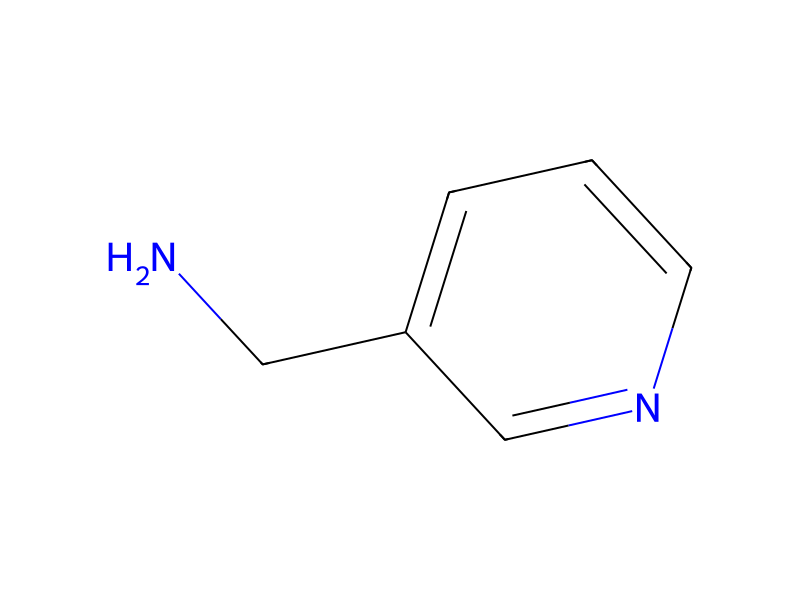
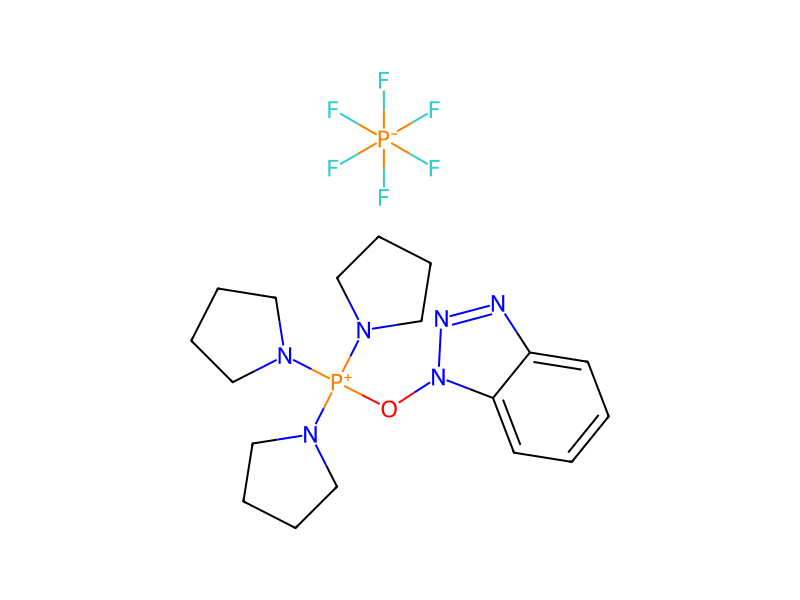
HCID 313Hydrochloric AcidHCID 14798Sodium HydroxideHCID 310183-PyridinemethanamineHCID 81531DiisopropylethylamineHCID 2724699PyBOPHCID 86759353tert-butyl 4-[N-[7-chloro-3-methyl-2-(4-(2-hydroxyethyl)ethyl-piperazin-1-yl)methyl-4-oxo-3,4-dihydroquinazolin-6-ylmethyl]-N-(prop-2-ynyl)amino]benzoate

생성물

1
HCID 104163464-[N-[7-Chloro-3-methyl-2-(4-(2-hydroxyethyl)-piperazin-1-yl)methyl-4-oxo-3,4-dihydroquinazolin-6-ylmethyl]-N-(prop-2-ynyl)amino]-N-(3-pyridylmethyl)benzamide

시약·촉매·용매 4

HCID 962Water용매HCID 6228Dimethylformamide용매HCID 6344Dichloromethane용매HCID 6422Trifluoroacetic acid용매

반응 조건

온도
0 °C

실험 절차

A solution of tert-butyl 4-[N-[7-chloro-3-methyl-2-(4-(2-hydroxyethyl)ethyl-piperazin-1-yl)methyl-4-oxo-3,4-dihydroquinazolin-6-ylmethyl]-N-(prop-2-ynyl)amino]benzoate (0.157 g, 0.27 mmol) (Preparation Example 21) in dichloromethane (1.6 ml) and trifluoroacetic acid (2.6 ml) was stirred at room temperature for 55 min with protection from the light. The trifluoroacetic acid was then removed in vacuo, and the residue was treated with dichloromethane/toluene, concentrated in vacuo to leave an orange glass which was dried in vacuo over P2O5 (0.114 g). This was dissolved in anhydrous DMF (2.5 ml) under argon. The solution was placed in an ice-bath and then a solution of 3-(aminomethyl)pyridine (0.043 g, 0.40 mmol) in anhydrous DMF (1.5 ml) was added followed by PyBOP® (0.147 g, 0.28 mmol), and.finally diisopropylethylamine (0.209 g, 1.62 mmol). The solution was stirred at 0° C. for 5 min, then the ice-bath was removed and stirring was continued under argon for 3 h. The clear solution was then partitioned between ethyl acetate (200 ml) and saturated aqueous sodium bicarbonate (100 ml). The organic layer was washed with more saturated aqueous sodium bicarbonate (100 ml), brine (100 ml), dried (Na2SO4) and concentrated in vacuo. Purification by column chromatography, on gradient elution with methanol in dichloromethane (5 to 15%), afforded a glass. This was suspended in water (6 ml) and the pH was first adjusted to 1 with 1N aqueous HCl to give a clear solution, then to ˜9 with 1N NaOH; a pale yellow precipitate was obtained. The solid was collected by filtration, washed with water, and dried in vacuo over P2O5 (6.065 g, 40%), mp 115-117° C.; 1H-NMR (DMSO-d6) 2.35 (t obscured, J=6.3 Hz, 2H, NCH2CH2OH), 2.38, 2.46 (2×br s, 8H, N(CH2CH2)2), 3.18 (s, 1H, C≡CH), 3.46 (q, J=6.1 Hz, 2H, NCH2CH2OH), 3.60 (s, 5H, N3-Me, 2-CH2), 4.26 (t, J=5.3 Hz, 1H, NCH2CH2 OH), 4.36 (d, J=1.8 Hz, 2H, CH2C≡C), 4.45 (d, J=5.8 Hz, 2H, CONHCH2), 4.77 (s, 2H, 6-CH2), 6.79 (d, J=8.9 Hz, 2H, 3,5′-ArH), 7.33 (dd, J=4.8, 7.8 Hz, 1H, pyr 5-H), 7.69 (dt, J=1.8, 7.8 Hz, pyr 4-H), 7.76 (d, J=8.8 Hz, 2H, 2′,6′-ArH), 7.80, 7.91 (2×s, 2H, 5-H, 8-H), 8.43 (dd, J=1.6, 4.8 Hz, 1H, pyr 6-H), 8.52 (s, 1H, 2-H pyr), 8.72 (t, J=5.8 Hz, 1H, CONH).


후처리

  1. customThe trifluoroacetic acid was then removed in vacuo
  2. additionthe residue was treated with dichloromethane/toluene
  3. concentrationconcentrated in vacuo
  4. customto leave an orange glass which
  5. dry with materialwas dried in vacuo over P2O5 (0.114 g)
  6. dissolutionThis was dissolved in anhydrous DMF (2.5 ml) under argon
  7. customThe solution was placed in an ice-bath
  8. customthe ice-bath was removed
  9. stirringstirring
  10. waitwas continued under argon for 3 h
  11. customThe clear solution was then partitioned between ethyl acetate (200 ml) and saturated aqueous sodium bicarbonate (100 ml)
  12. washThe organic layer was washed with more saturated aqueous sodium bicarbonate (100 ml), brine (100 ml)
  13. dry with materialdried (Na2SO4)
  14. concentrationconcentrated in vacuo
  15. customPurification by column chromatography
  16. washon gradient elution with methanol in dichloromethane (5 to 15%)
  17. customafforded a glass
  18. customto give a clear solution
  19. customa pale yellow precipitate was obtained
  20. filtrationThe solid was collected by filtration
  21. washwashed with water
  22. dry with materialdried in vacuo over P2O5 (6.065 g, 40%), mp 115-117° C.

출처 및 근거

ORD 기록
ord-b350273c97b84ecb92c62e5b14b0cf82
출처 데이터셋
uspto-grants-2004_03
DOI
10.6084/m9.figshare.5104873.v1
특허 번호
US06699861B1

반응 노트

불러오는 중…

이 페이지에서참가 물질반응 조건실험 절차후처리출처 및 근거반응 노트