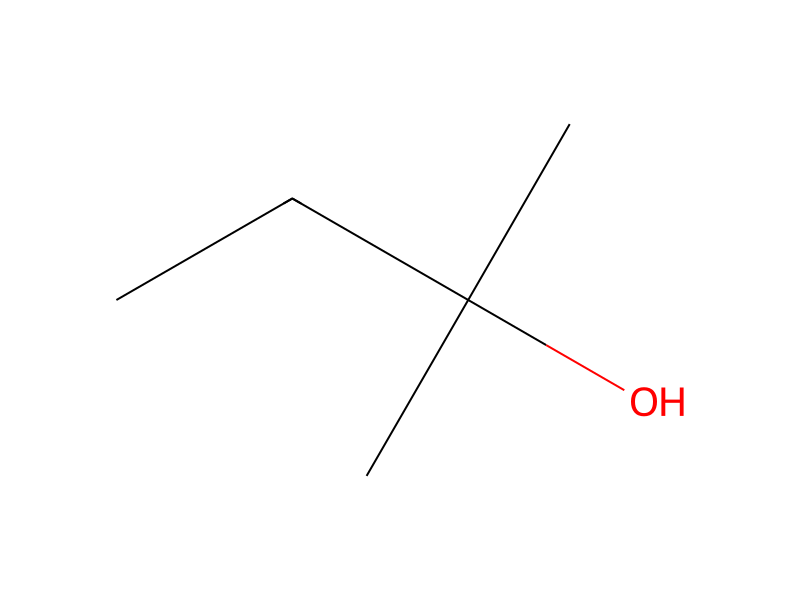
A mixture of 7-bromo-5-nitroisoquinolin-1(2H)-one (293b, 4.00 g, 14.9 mmol), 1,4-dimethyl-1H-1,2,3-triazole (2.17 g, 22.3 mmol), palladium acetate (334 mg, 1.49 mmol), CatacXiumA (butyl di-1-adamantylphosphine) (1.10 g, 2.97 mmol), and potassium acetate (7.30 g, 74.3 mmol) in 2-methyl-2-butanol (100 mL) was degassed with nitrogen, and heated at 120° C. in a sealed tube overnight. After cooling down room temperature, the reaction mixture was partitioned between ethyl acetate (300 mL) and water (300 mL). The organic phase was separated, washed with brine (1×300 mL), dried over sodium sulfate, concentrated to dryness, and purified by silica gel chromatography (eluting with a gradient of 0%-10% methanol in ethyl acetate), affording 7-(1,4-dimethyl-1H-1,2,3-triazol-5-yl)-5-nitroisoquinolin-1(2H)-one (293c, 2.55 g, 60% yield) as a solid. 1H NMR (400 MHz, DMSO-d6) δ 11.95 (br. s., 1H), 8.57 (s, 2H), 7.55 (d, J=5.38 Hz, 1H), 6.98 (d, J=7.34 Hz, 1H), 4.00 (s, 3H), 2.29 (s, 3H). MS: 284 [M−1].