Hydrochloric Acid → HCID 9800314, compound
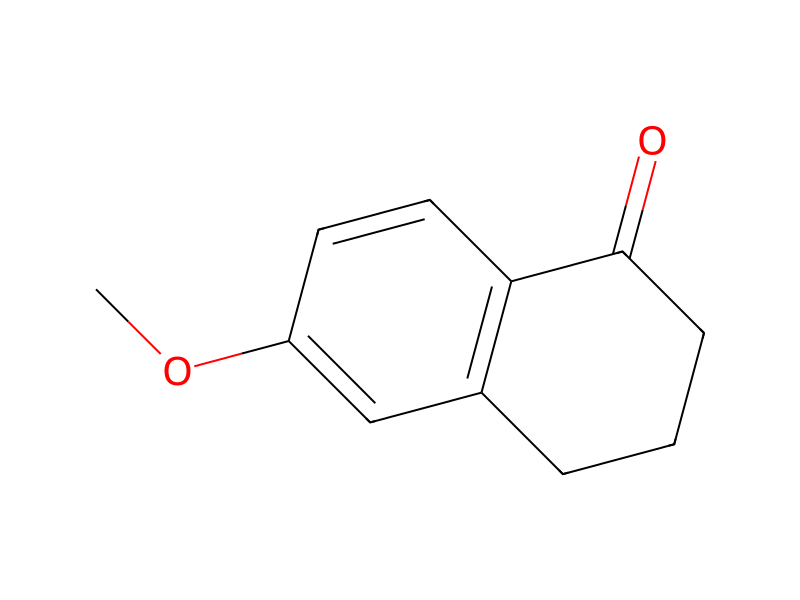
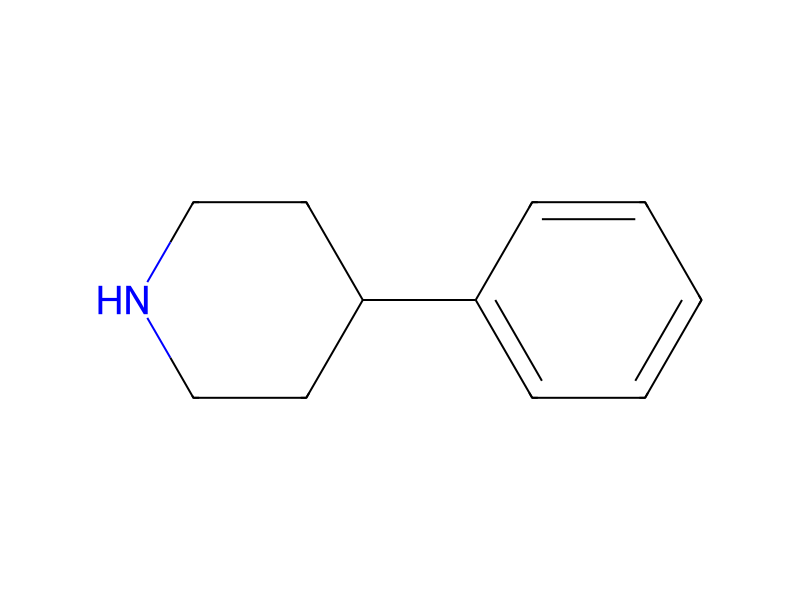
Reaction equation

[ClH:1].[C:2]1([CH:8]2[CH2:13][CH2:12][NH:11][CH2:10][CH2:9]2)[CH:7]=[CH:6][CH:5]=[CH:4][CH:3]=1.[CH3:14][O:15][C:16]1[CH:17]=[C:18]2[C:23](=[CH:24][CH:25]=1)[C:22](=[O:26])[CH2:21][CH2:20][CH2:19]2.[CH2:27]=O>C(O)(C)C.C1(C)C=CC=CC=1>[ClH:1].[CH3:14][O:15][C:16]1[CH:17]=[C:18]2[C:23](=[CH:24][CH:25]=1)[C:22](=[O:26])[CH:21]([CH2:27][N:11]1[CH2:10][CH2:9][CH:8]([C:2]3[CH:7]=[CH:6][CH:5]=[CH:4][CH:3]=3)[CH2:13][CH2:12]1)[CH2:20][CH2:19]2Participants
7
Reactant 4


Product 1

Reagents, catalysts & solvents 2


Procedure
Concentrated hydrochloric acid (4.9 mL) was added to a solution of 4-phenylpiperidine (9.38 g, 58.2 mmol) in isopropanol (60 mL) at 10-15° C. followed by the sequential addition of 6-methoxy-1-tetralone (9.76 g, 55.4 mmol), 37% aqueous formaldehyde (5.72 g) and 60 mL isopropanol. The mixture was refluxed for 1 hour, diluted with toluene, concentrated and the residue recrystallized sequentially from acetone and ethanol to afford the title compound as a white solid (5 g), mp 177-8° C.
Workup
- temperatureThe mixture was refluxed for 1 hour
- concentrationconcentrated
- customthe residue recrystallized sequentially from acetone and ethanol
Sources & evidence
- ORD record
- ord-f41c0d80c41d413393fba62857131a61
- Source dataset
- uspto-grants-2000_04
- Patent number
- US06048877
Reaction notes
Loading…