4-Chlorobenzyl alcohol → HCID 13176479, compound
Reaction equation

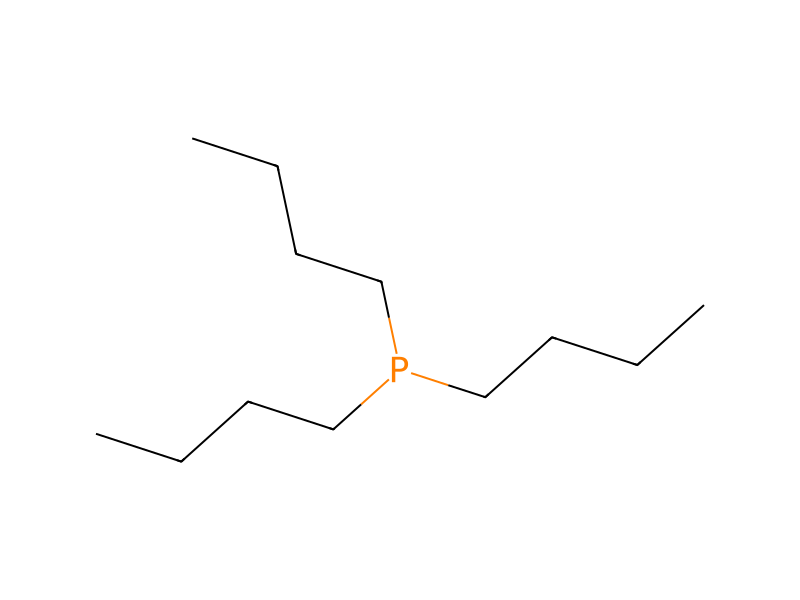
[OH:1][C:2]1[CH:3]=[C:4]([CH:11]=[CH:12][CH:13]=1)[C:5]([N:7]([O:9][CH3:10])[CH3:8])=[O:6].[CH:14]1[C:19]([CH2:20]O)=[CH:18][CH:17]=[C:16]([Cl:22])[CH:15]=1.C(P(CCCC)CCCC)CCC>O1CCCC1>[Cl:22][C:16]1[CH:17]=[CH:18][C:19]([CH2:20][O:1][C:2]2[CH:3]=[C:4]([CH:11]=[CH:12][CH:13]=2)[C:5]([N:7]([O:9][CH3:10])[CH3:8])=[O:6])=[CH:14][CH:15]=1Participants
5
Reactant 3


Product 1

Reagents, catalysts & solvents 1

Procedure
1.81 g (10.0 mmol) B5, 1.57 g (11.0 mmol) 4-chlorobenzylic alcohol and 3.03 g (15.0 mmol) tributylphosphine were dissolved in 100 ml tetrahydrofurane and 3.78 g (15.0 mmol) azodicarbonylpiperidine was added at 10° C. The mixture was stirred at room temperature overnight. After removal of the precipitate, the mother liquor was evaporated to dryness and the residue was taken up with ethyl acetate. After filtration and washing with aqueous sodium hydrogen carbonate, 2 N HCl and water, the organic phase was dried over sodium sulfate end the solvent was removed in vacuo. Chromatography of the residue on SiGel (n-heptane/ethyl acetate 2:1) yielded 2.8 g (90%) B8.
Workup
- customAfter removal of the precipitate
- customthe mother liquor was evaporated to dryness
- filtrationAfter filtration
- washwashing with aqueous sodium hydrogen carbonate, 2 N HCl and water
- dry with materialthe organic phase was dried over sodium sulfate end the solvent
- customwas removed in vacuo
Sources & evidence
- ORD record
- ord-68bd7cab173f46438adf84effeabfc41
- Source dataset
- uspto-grants-2004_09
- Patent number
- US06790852B2
Reaction notes
Loading…