Ethyl cyanoacetate → HCID 11659490, compound
Reaction equation

[C:1]([CH:4]1[CH2:6][CH2:5]1)(=O)[CH3:2].C(O[C:10](=[O:14])[CH2:11][C:12]#[N:13])C.[Cl:15][C:16]1[CH:17]=[C:18]([CH:21]=[CH:22][C:23]=1[Cl:24])[CH:19]=O.C([O-])(=O)C.[NH4+:29]>C(O)C>[CH:4]1([C:1]2[NH:29][C:10](=[O:14])[C:11]([C:12]#[N:13])=[C:19]([C:18]3[CH:21]=[CH:22][C:23]([Cl:24])=[C:16]([Cl:15])[CH:17]=3)[CH:2]=2)[CH2:6][CH2:5]1Participants
6
Reactant 4


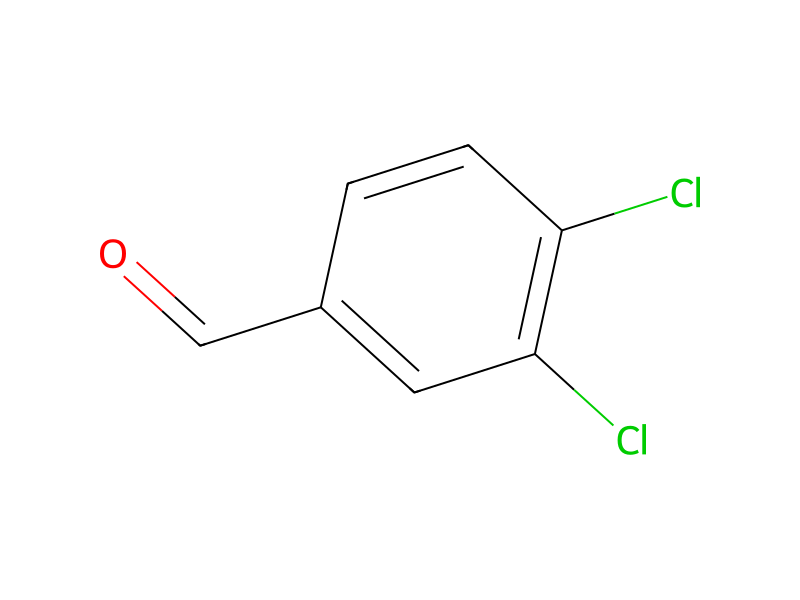

Product 1

Reagents, catalysts & solvents 1

Procedure
While being stirred, 300 ml of ethanol is mixed with 14 g of acetyl cyclopropane, 18 g of cyanoacetic acid ethyl ester, 28 g of 3,4-dichlorobenzaldehyde as well as 100 g of ammonium acetate, and it is subsequently heated to boiling for six hours at a bath temperature of 80-90° C. After some length of time, a portion of the product already precipitates from the reaction solution. To complete the precipitation, it is then allowed to cool to room temperature while being stirred. The precipitate is suctioned off, washed acetate-free with cold ethanol and water and ultimately dried. 15 g of product accumulates, melting point 290-295° C., while decomposing.
Workup
- temperatureis subsequently heated
- customtemperature of 80-90° C
- customAfter some length of time, a portion of the product already precipitates from the reaction solution
- customthe precipitation, it
- stirringwhile being stirred
- washwashed acetate-free with cold ethanol and water
- customultimately dried
Sources & evidence
- ORD record
- ord-d6ba8dd1e4d849b3b423d4dad5dd7d55
- Source dataset
- uspto-grants-2011_07
- Patent number
- US07977325B2
Reaction notes
Loading…