Ethyl Acetate → Benzyl (3-hydroxycyclohexyl)carbamate
Reaction equation

[OH:1][CH:2]1[CH2:7][CH2:6][CH2:5][CH:4]([NH2:8])[CH2:3]1.C(=O)([O-])[O-].[K+].[K+].C(OCC)(=O)C.Cl[C:22]([O:24][CH2:25][C:26]1[CH:31]=[CH:30][CH:29]=[CH:28][CH:27]=1)=[O:23]>O>[CH2:25]([O:24][C:22](=[O:23])[NH:8][CH:4]1[CH2:5][CH2:6][CH2:7][CH:2]([OH:1])[CH2:3]1)[C:26]1[CH:31]=[CH:30][CH:29]=[CH:28][CH:27]=1Participants
6
Reactant 4

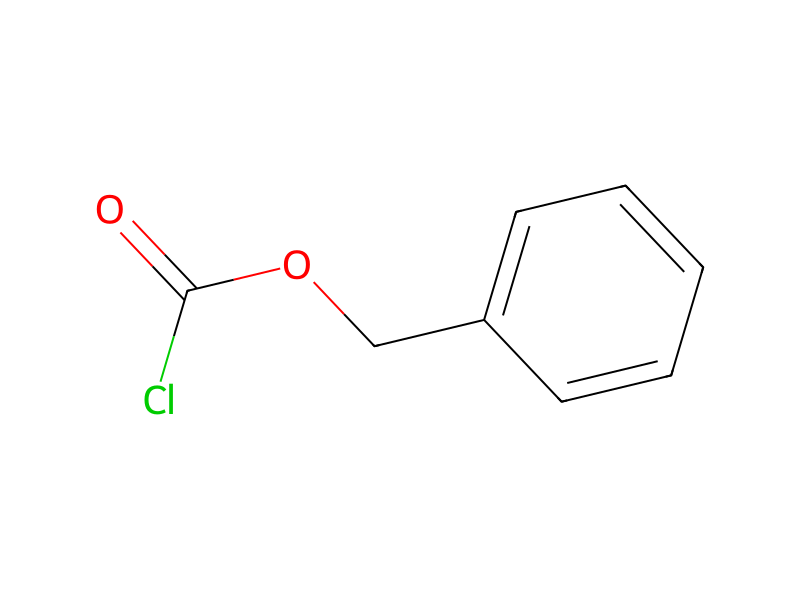


Product 1

Reagents, catalysts & solvents 1

Procedure
Treat a mixture of 3-hydroxycyclohexyl amine (10 g, 86.96 mmol), potassium carbonate (18 g, 130 mmol), ethyl acetate (150 mL) and water (70 mL) with benzyl chloroformate (22.17 g, 130 mmol). Stir the reaction at room temperature for 12 hours. Separate the organic layer, dry the organic over sodium sulfate, filter and concentrate. Add diethyl ether to the residuer. Filter the resulting white precipitate and air dry to afford 19.1 g of the title compound (88%). MS (m/z): 250 (M+).
Workup
- additionTreat
- customthe reaction at room temperature for 12 hours
- customSeparate the organic layer
- dry with materialdry the organic over sodium sulfate
- filtrationfilter
- concentrationconcentrate
- filtrationFilter the resulting white precipitate and air
- customdry
Sources & evidence
- ORD record
- ord-804318bcbfbb46449e650c709fde728c
- Source dataset
- uspto-grants-2011_07
- Patent number
- US07981918B2
Reaction notes
Loading…