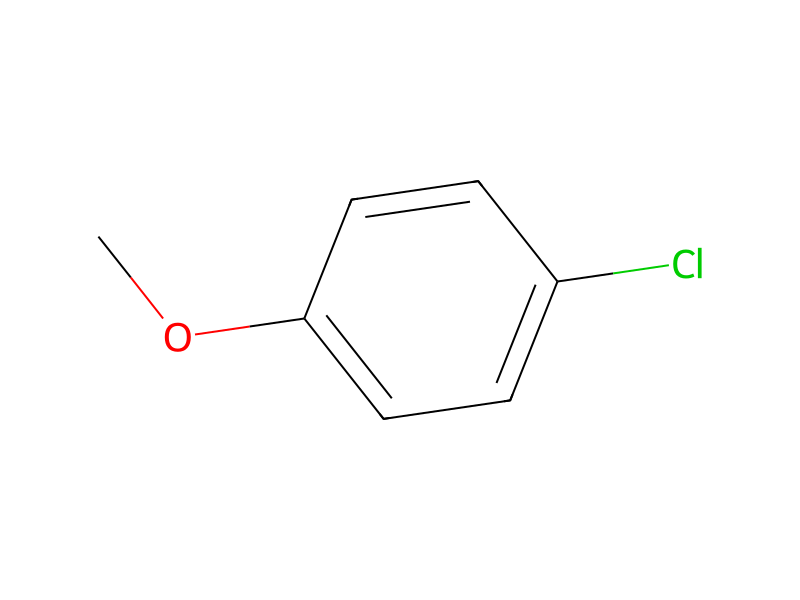
4-Chloroanisole → 4-Methoxybiphenyl
Reaction equation

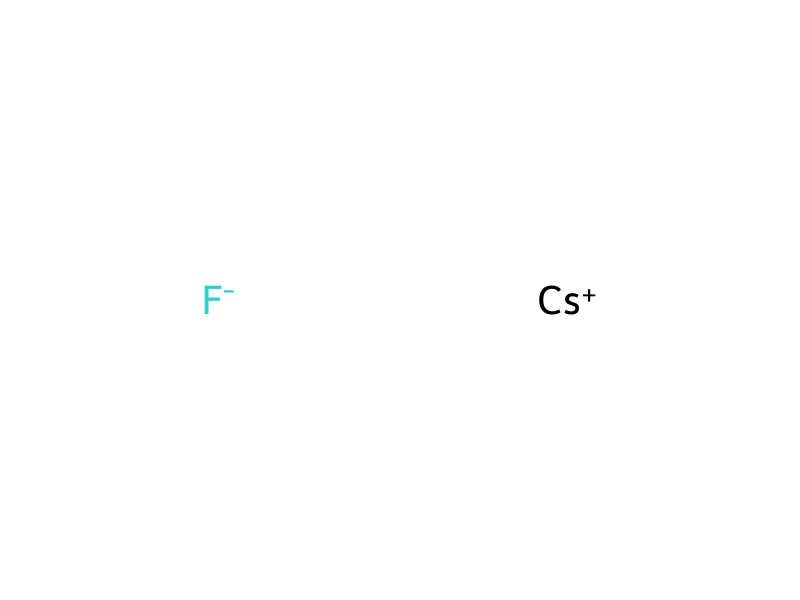
Cl[C:2]1[CH:7]=[CH:6][C:5]([O:8][CH3:9])=[CH:4][CH:3]=1.[C:10]1(B(O)O)[CH:15]=[CH:14][CH:13]=[CH:12][CH:11]=1.[F-].[Cs+]>O1CCOCC1.CC([O-])=O.CC([O-])=O.[Pd+2].C1(P(C2C=CC=CC=2)C2[C-](N(C)C)C=CC=2)C=CC=CC=1.[CH-]1C=CC=C1.[Fe+2]>[CH3:9][O:8][C:5]1[CH:6]=[CH:7][C:2]([C:10]2[CH:15]=[CH:14][CH:13]=[CH:12][CH:11]=2)=[CH:3][CH:4]=1Participants
7





Procedure
According to General Procedure A, a mixture of 4-chloroanisole (0.06 mL, 0.50 mmol), phenylboronic acid (91 mg, 0.75 mmol), CsF (228 mg, 1.50 mmol), Pd(OAc)2 (2 mg, 0.01 mmol) and 12f (8 mg, 0.02 mmol) in 1,4-dioxane (2.5 mL) was heated to reflux, cooled and filtered. Evaporation of the solvent under reduced pressure and column chromatography of the pre-adsorbed crude material (0.5-1.0% isopropanol/hexane, silica gel) gave 51e (64 mg, 70%) as a colorless solid. 1H NMR (300 MHz, CDCl3) δ 7.54 (t, 4H, J=6.8 Hz), 7.42 (t, 2H, J=6.8 Hz), 7.32-7.26 (m, 1H), 6.99 (d, 2H, J=8.7 Hz), 3.86 (s, 3H); 13C NMR (75.5 MHz, CDCl3) δ 159.1, 140.8, 133.8, 128.7, 128.1, 126.7, 126.6, 114.2, 55.3.
Workup
- temperaturewas heated
- temperatureto reflux
- temperaturecooled
- filtrationfiltered
- customEvaporation of the solvent under reduced pressure and column chromatography of the pre-adsorbed crude material (0.5-1.0% isopropanol/hexane, silica gel)
Sources & evidence
- ORD record
- ord-72bed6557e3d448ab93be7bc3d865269
- Source dataset
- uspto-grants-2011_07
- Patent number
- US07982064B2
Reaction notes
Loading…