Sulfuric Acid → P-Cresol
Reaction equation

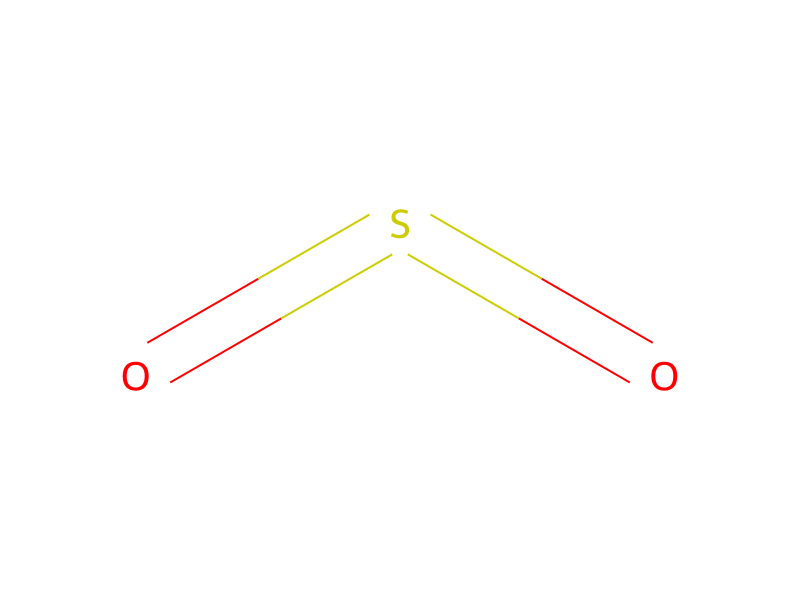
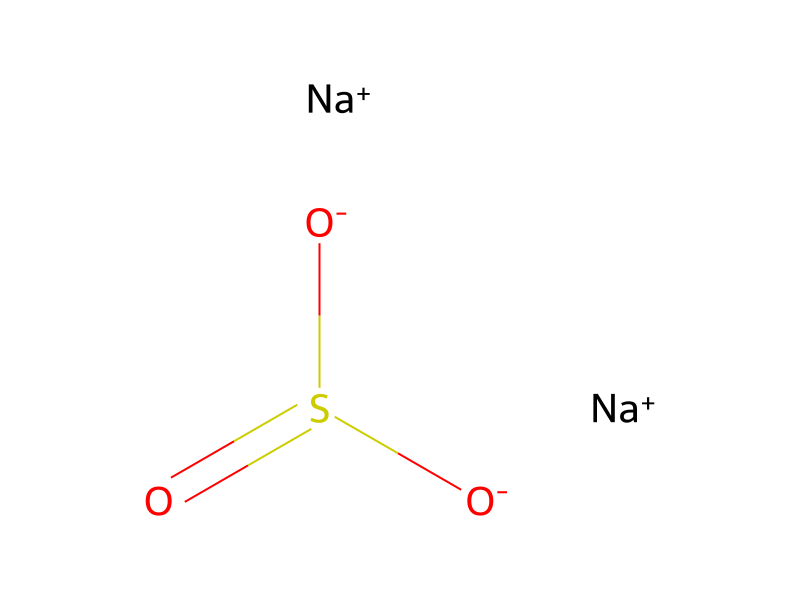
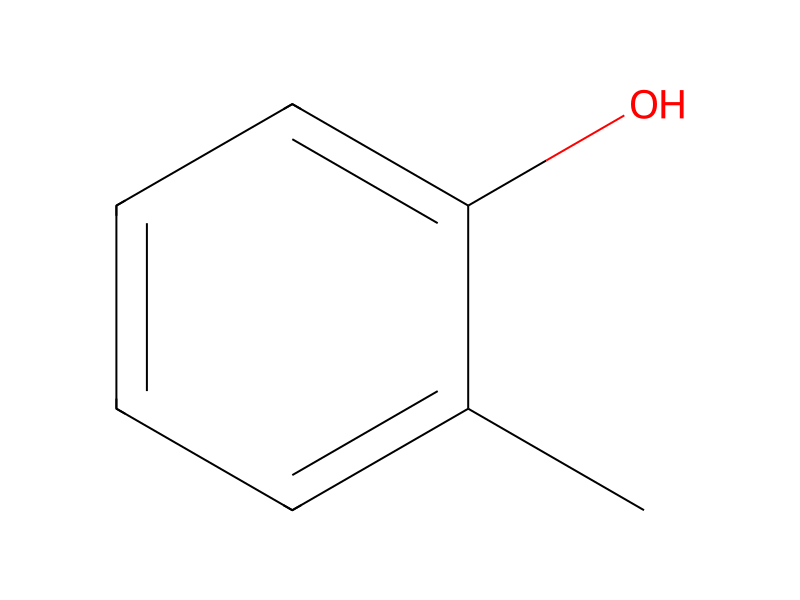
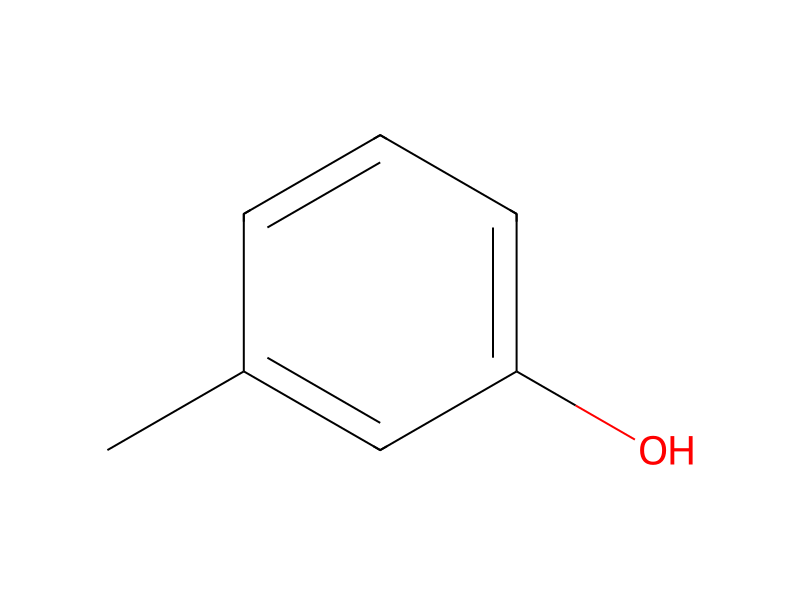
S(=O)(=O)(O)O.S([O-])([O-])=[O:7].[Na+].[Na+].[OH-:12].[Na+].S(=O)=[O:15].[C:17]1([CH3:23])[CH:22]=[CH:21][CH:20]=[CH:19][CH:18]=1>>[C:17]1([CH3:23])[C:22]([OH:12])=[CH:21][CH:20]=[CH:19][CH:18]=1.[CH:18]1[C:19]([OH:15])=[CH:20][CH:21]=[CH:22][C:17]=1[CH3:23].[CH:19]1[C:20]([OH:7])=[CH:21][CH:22]=[C:17]([CH3:23])[CH:18]=1Participants
8




Procedure
Cresol is produced from alkaline melts of toluenesulfonates in four reaction steps. Toluene is first sulfonated by concentrated sulfuric acid, and the resultant sulfonic acid mixture is neutralized with sodium sulfite or sodium hydroxide solution and then fused with sodium hydroxide at approximately 300° C. An aqueous solution of the melt is then acidified with sulfur dioxide or sulfuric acid, which releases the cresols. Generally, a cresol mixture is produced comprising 6 to 12% o-cresol, 6 to 12% m-cresol and 80 to 85% p-cresol. The p-cresol can be separated off by means of fractional crystallization. However, this process has the disadvantage that large amounts of sodium sulfite are produced that must be disposed of.
Sources & evidence
- ORD record
- ord-2125eea0188c4053942fbf67f510003e
- Source dataset
- uspto-grants-2002_11
- Patent number
- US06476277B2
Reaction notes
Loading…