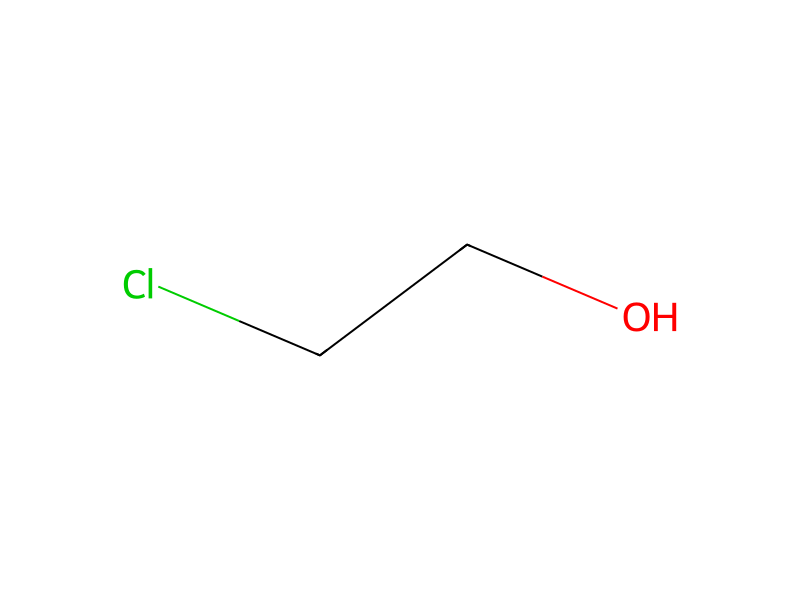
2-Chloroethanol → HCID 22170578, compound
Reaction equation

[OH:1][C:2]1[CH:3]=[C:4]([CH2:8][C:9]([O:11][CH3:12])=[O:10])[CH:5]=[CH:6][CH:7]=1.[Cl:13][CH2:14][CH2:15]O.C1(P(C2C=CC=CC=2)C2C=CC=CC=2)C=CC=CC=1.CC(OC(/N=N/C(OC(C)C)=O)=O)C>C1COCC1>[Cl:13][CH2:14][CH2:15][O:1][C:2]1[CH:3]=[C:4]([CH2:8][C:9]([O:11][CH3:12])=[O:10])[CH:5]=[CH:6][CH:7]=1Participants




Procedure
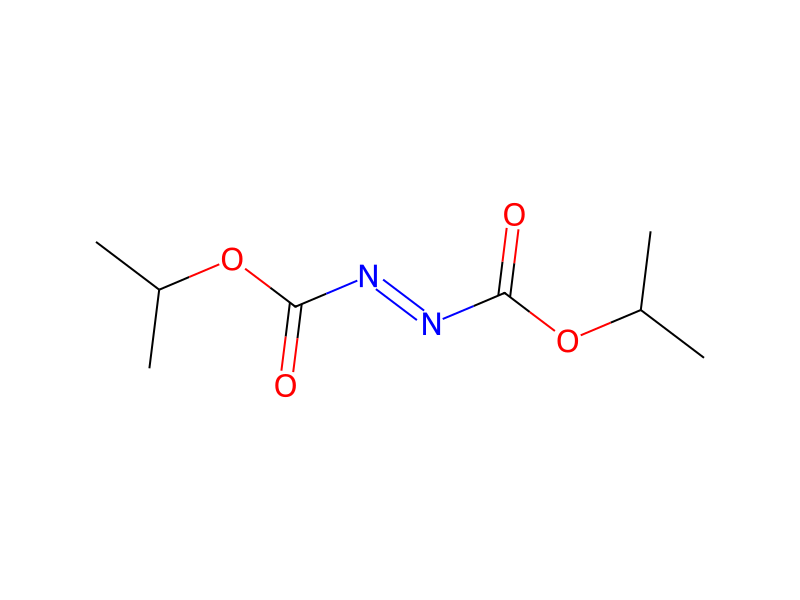
To a stirred solution of methyl 3-hydroxyphenylacetate (1.66 g, 10 mmol), 2-chloroethanol (1.34 mL, 2 eq.) and triphenylphosphine (5.24 g, 2 eq.) in THF (100 mL) at 0° C. was added dropwise diisopropylazodicarboxylate (3.96 mL, 2 eq.) and the resulting mixture was stirred at room temperature overnight. The reaction mixture was then quenched with NaHCO3 and the product was extracted with EtOAc. The EtOAc layers were washed with brinebrine, dried over sodium sulfate, and concentrated. Purification on a silica gel column with 10% EtOAc in hexane gave methyl 3-(2-chloroethyloxy)phenylacetate (1.6 g, 70% yield) which was converted to 3-(1-methylindol-3-yl)-4-[3-(2-aminoethyloxy)phenyl]-1H-pyrrole-2,5-dione by following the procedure described in Example 5, Steps 2-6 above.
Workup
- customThe reaction mixture was then quenched with NaHCO3
- extractionthe product was extracted with EtOAc
- washThe EtOAc layers were washed with brinebrine
- dry with materialdried over sodium sulfate
- concentrationconcentrated
- customPurification on a silica gel column with 10% EtOAc in hexane
Sources & evidence
- ORD record
- ord-5f0eca7da55e46c68f71bf5110761035
- Source dataset
- uspto-grants-2002_11
- Patent number
- US06479490B2
Reaction notes
Loading…