Isopropyl iodide → 3-Isopropyloxypyridine
Reaction equation

Br[C:2]1[CH:3]=[CH:4][C:5](=O)[NH:6][CH:7]=1.C(=O)([O-])[O-:10].[K+].[K+].I[CH:16]([CH3:18])[CH3:17]>CN(C=O)C.C(OCC)(=O)C.O>[CH:16]([O:10][C:2]1[CH:3]=[CH:4][CH:5]=[N:6][CH:7]=1)([CH3:18])[CH3:17]Participants
7






Procedure
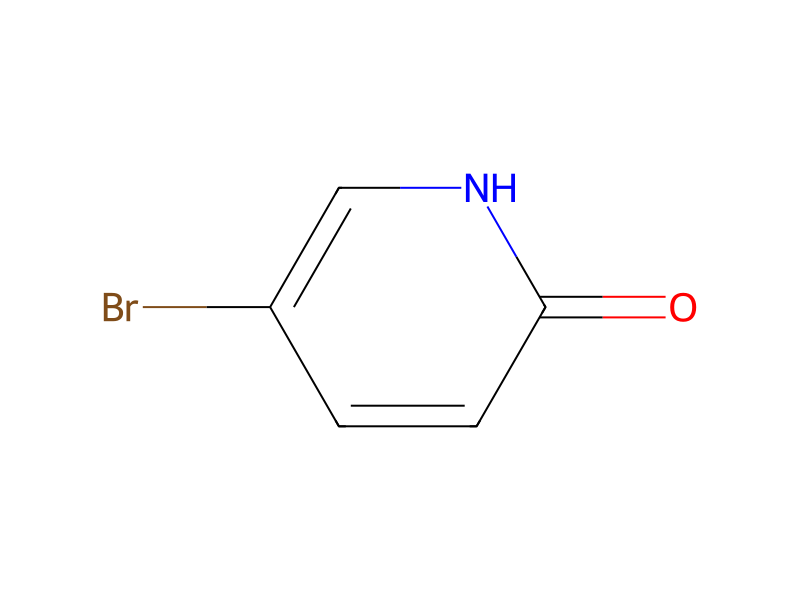
5-bromo-1H-pyridone 1BI (100 g, 0.58 mol), potassium carbonate (238 g, 1.73 mol) and 2-iodopropane (86 ml, 0.86 mol) were stirred in DMF (1 L) at r.t. for 1 day. The mixture were diluted with ethyl acetate and water, layers were separated. The separated organic layer was washed with water (×2), dried (Mg SO4) and filtered. Solvents were removed in vacuum and column purification [5% ethyl acetate in hexanes] gave first the less polar 5-isopropoxypyridine 2BIa (73 g, 59%) as colourless liquid. Continuous elution with [50% ethyl acetate in hexanes] gave the more polar 5-bromo-1-isopropylpyridone 2BIb as white solid (22 g, 18%).
Workup
- customwere separated
- washThe separated organic layer was washed with water (×2)
- dry with materialdried (Mg SO4)
- filtrationfiltered
- customSolvents were removed in vacuum and column purification [5% ethyl acetate in hexanes]
Sources & evidence
- ORD record
- ord-a424faf85ca546e3af3201bab51eb981
- Source dataset
- uspto-grants-2014_05
- Patent number
- US08716483B2
Reaction notes
Loading…