Triisopropyl borate → 3-cyano-1-cyclobutyl-6-cyclopropyl-1H-indol-2-ylboronic acid
Reaction equation

[CH:1]1([N:5]2[C:13]3[C:8](=[CH:9][CH:10]=[C:11]([CH:14]4[CH2:16][CH2:15]4)[CH:12]=3)[C:7]([C:17]#[N:18])=[CH:6]2)[CH2:4][CH2:3][CH2:2]1.[B:19](OC(C)C)([O:24]C(C)C)[O:20]C(C)C.[Li+].CC([N-]C(C)C)C>C1COCC1>[C:17]([C:7]1[C:8]2[C:13](=[CH:12][C:11]([CH:14]3[CH2:16][CH2:15]3)=[CH:10][CH:9]=2)[N:5]([CH:1]2[CH2:4][CH2:3][CH2:2]2)[C:6]=1[B:19]([OH:24])[OH:20])#[N:18]Participants
5
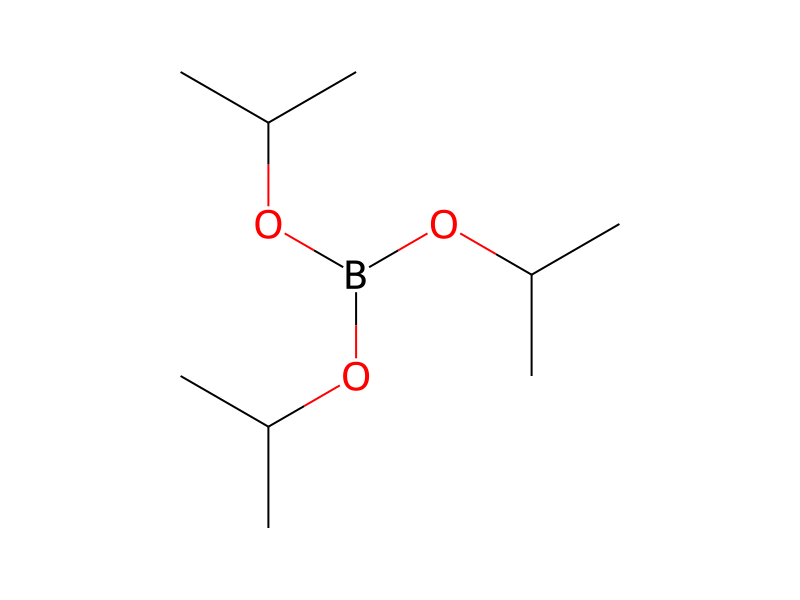



Conditions
- Temperature
- -78 °C
Procedure
Into a solution of 1-cyclobutyl-6-cyclopropyl-1H-indole-3-carbonitrile (2.0 g, 8.47 mmol) and triisopropyl borate (3.52 mL, 15.25 mmol) in THF (35 mL) at −78° C. was added LDA (1.5 M in cyclohexane, 7.3 mL, 11.01 mmol). The mixture was stirred at −78° C. for 30 min, quenched with ice water (60 mL) and stirred for 15 min without cooling. The mixture was extracted with ethyl acetate 1:1 in hexane (20 mL). The aqueous layer was acidified with 2 N aq. HCl to pH 5 and then extracted with CH2Cl2 (60 mL). The organic layer was dried over Na2SO4 and concentrated to give the title compound as a solid (2.5 g, 70% pure by LCMS) that was used in the next step without further purification.
Workup
- customquenched with ice water (60 mL)
- stirringstirred for 15 min
- temperaturewithout cooling
- extractionThe mixture was extracted with ethyl acetate 1:1 in hexane (20 mL)
- extractionextracted with CH2Cl2 (60 mL)
- dry with materialThe organic layer was dried over Na2SO4
- concentrationconcentrated
Sources & evidence
- ORD record
- ord-1c05e00150f1403f91a48fdc3cbdc2ae
- Source dataset
- uspto-grants-2014_05
- Patent number
- US08735414B2
Reaction notes
Loading…