Water → (S)-3-benzoyloxy-1-t-butoxycarbonylpyrrolidine
Reaction equation

[C:1]([O:5][C:6]([N:8]1[CH2:12][CH2:11][C@@H:10]([O:13]S(C)(=O)=O)[CH2:9]1)=[O:7])([CH3:4])([CH3:3])[CH3:2].[C:18]([O-])(=[O:25])[C:19]1[CH:24]=[CH:23][CH:22]=[CH:21][CH:20]=1.[Na+].C(OCC)(=O)C.O>CS(C)=O>[C:18]([O:13][C@H:10]1[CH2:11][CH2:12][N:8]([C:6]([O:5][C:1]([CH3:4])([CH3:3])[CH3:2])=[O:7])[CH2:9]1)(=[O:25])[C:19]1[CH:24]=[CH:23][CH:22]=[CH:21][CH:20]=1Participants
6


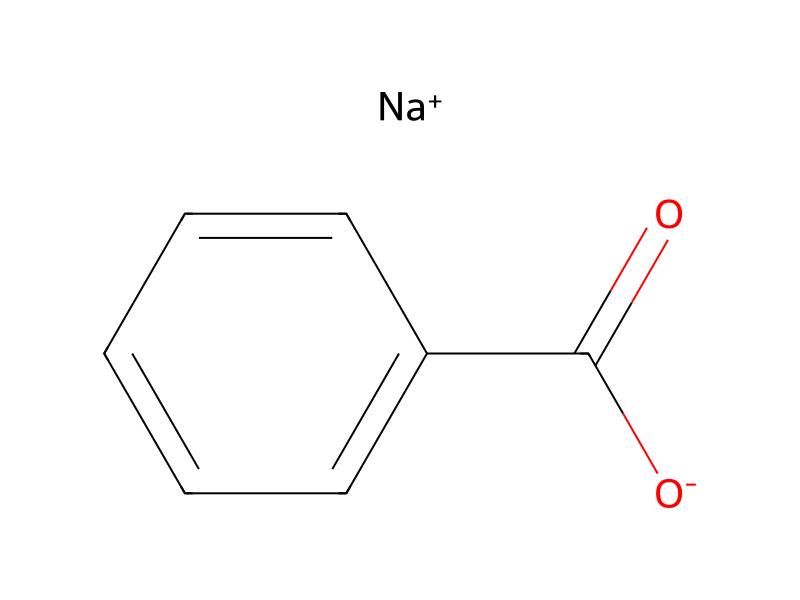



Conditions
- Temperature
- 100 °C
Procedure
To a solution of (R)-1-t-butoxycarbonyl-3-methanesulfonyloxypyrrolidine (20 g) in dimethyl sulfoxide (200 ml) was added sodium benzoate (22 g) under nitrogen. After stirring at 100° C. for 1 hour, the solution was taken up into a mixture of ethyl acetate and water. The organic layer was separated, and washed with water and brine successively. The dried solvent was evaporated to give (S)-3-benzoyloxy-1-t-butoxycarbonylpyrrolidine (22 g).
Workup
- customThe organic layer was separated
- washwashed with water and brine successively
- customThe dried solvent was evaporated
Sources & evidence
- ORD record
- ord-e333c734f4d44231b34cde2e71aea707
- Source dataset
- uspto-grants-1992_04
- Patent number
- US05102877
Reaction notes
Loading…