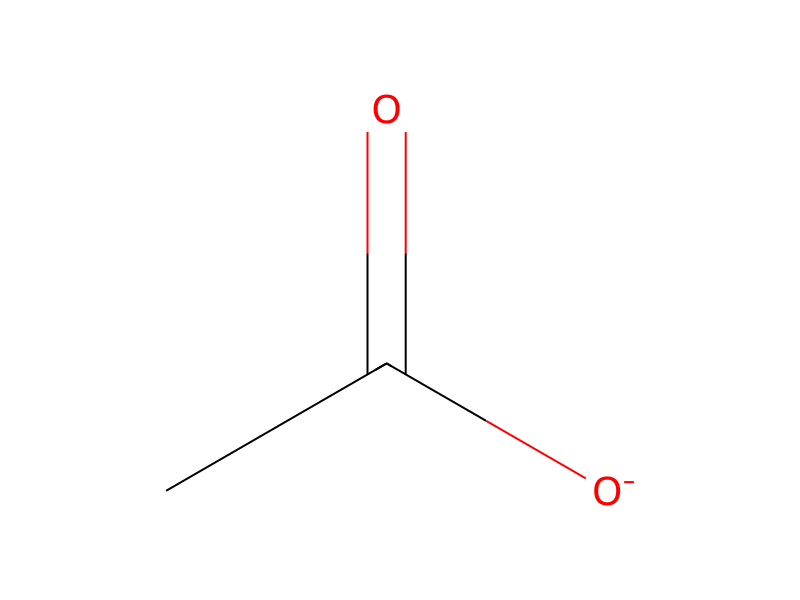
Acetate → HCID 15217412, compound
Reaction equation

[N+:1]([C:4]1[CH:9]=[CH:8][C:7]([NH:10][NH2:11])=[CH:6][CH:5]=1)([O-:3])=[O:2].[C:12]1(=O)[O:18][C:16](=[O:17])[CH2:15][CH2:14][CH2:13]1.C(OC(=O)C)(=O)C.C([O-])(=O)C>O1CCCC1.C(N(CC)CC)C>[N+:1]([C:4]1[CH:5]=[CH:6][C:7]([NH:10][N:11]2[C:16](=[O:17])[CH2:15][CH2:14][CH2:13][C:12]2=[O:18])=[CH:8][CH:9]=1)([O-:3])=[O:2]Participants
Reactant 4



Product 1

Reagents, catalysts & solvents 2


Conditions
- Temperature
- 120 °C
Procedure
3 g of p-nitrophenylhydrazine and 2 g of glutaric anhydride in 20 ml THF ("tetrahydrofuran") were stirred for 15 min at room temperature. Analysis by infrared spectroscopy showed high conversion to amide-acid. To the reaction mixture was added 2 g of acetic anhydride, 1 ml of triethylamine which as then heated to near reflux. 50 mg of colbalt(II) acetate was added which induced an exothermic reaction. Analysis (IR) after a few minutes showed high conversion to imide. The mixture was evaporated under nitrogen and then slurried with ethanol. The ethanol soluble fraction (main product) was removed and concentrated to 3.4 g of brown solid. This solid was washed twice with benzene to remove 0.2 g and then crystalized from methanol to yield yellow needles, mp=197-198° C. The structure was confirmed by elemental analysis, IR and NMR. DSC analysis showed no crystallization when the melt was cooled at 20° C./min. On reheating a Tg was detected at 65° C., a Tc was detected at 120° C. and a Tm was detected at 204° C. Thin films cast from THF were glassy (noncrystalline) with Tg of 65° C. and were shown, by IR, to contain hydrogen bonds involving the carbonyl and N-H groups. On heating to 120° C., crystallization occured and the H-bonding was lost. High viscosity above Tg was observed by the resistance to sliding of two glass plates sandwiching a thin film of the compound. The μβ, determined by EFISH in dioxane, was 26×10-48 esu. Thin films were prepared on a conducting glass by spin coating using Film Forming Procedure 1 and were poled using Poling Procedure 1. The resulting material retained a substantial portion of the induced molecular ordering for more than 6 months. The induced d33 determined from SHG Measurements was ≈4×10-12 m/V.
Workup
- temperatureas then heated
- temperatureto near reflux
- customan exothermic reaction
- waitAnalysis (IR) after a few minutes showed high
- customThe mixture was evaporated under nitrogen
- customThe ethanol soluble fraction (main product) was removed
- concentrationconcentrated to 3.4 g of brown solid
- washThis solid was washed twice with benzene
- customto remove 0.2 g
- customcrystalized from methanol
- customto yield yellow needles, mp=197-198° C
- customno crystallization when the melt
- temperaturewas cooled at 20° C./min
- customwas detected at 65° C.
- customwas detected at 120° C.
- customwas detected at 204° C
- customcrystallization
- customThin films were prepared on a conducting glass by spin coating
- customForming Procedure 1
- customfor more than 6 months
Sources & evidence
- ORD record
- ord-83d4ad6f064247b5a4b1031ce3d75961
- Source dataset
- uspto-grants-1994_05
- Patent number
- US05312565
Reaction notes
Loading…