Itaconic acid → Lactic acid itaconic acid epsilon-caprolactone
Reaction equation

[C:1]([OH:6])(=[O:5])[C@H:2]([CH3:4])[OH:3].[C:7]([OH:15])(=[O:14])[C:8]([CH2:10][C:11]([OH:13])=[O:12])=[CH2:9].[C:16]1(=[O:23])[O:22][CH2:21][CH2:20][CH2:19][CH2:18][CH2:17]1.OCC(CO)(CO)CO.[Sn+2]>>[C:1]([OH:6])(=[O:5])[CH:2]([CH3:4])[OH:3].[C:7]([OH:15])(=[O:14])[C:8]([CH2:10][C:11]([OH:13])=[O:12])=[CH2:9].[C:16]1(=[O:23])[O:22][CH2:21][CH2:20][CH2:19][CH2:18][CH2:17]1Participants
6


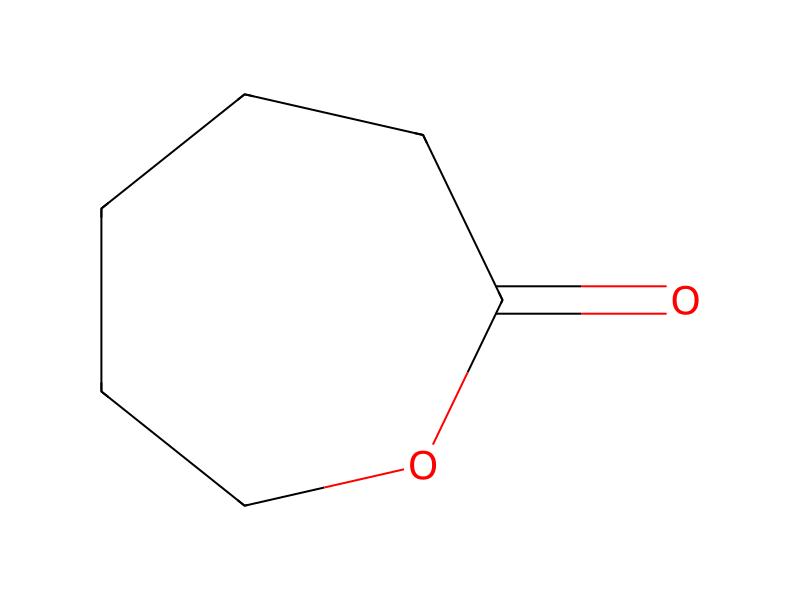


Procedure
The polymerisation was performed like in Example 1, but the amounts of the ingredients were 794.7 g of aqueous L-lactic acid (81 mole-%), 72.5 g of itaconic acid (7 mole-%), 110.7 g of ε-caprolactone (10 mole-%), 22.0 g of pentaerythritol (2 mole-%) and 0.39 g of tin(II) octoate, and the polymerisation time was 26 hours.
Sources & evidence
- ORD record
- ord-c841103ab0fc40968928bd54a36c5fc9
- Source dataset
- uspto-grants-2013_10
- Patent number
- US08563664B2
Reaction notes
Loading…