Hydrochloric Acid → 2-(4-hydroxyphenyl)-1-(2,4,6-trihydroxyphenyl)ethanone
Reaction equation

[C:1]1([CH:9]=[C:7]([OH:8])[CH:6]=[C:4]([OH:5])[CH:3]=1)[OH:2].[OH:10][C:11]1[CH:16]=[CH:15][C:14]([CH2:17][C:18]#N)=[CH:13][CH:12]=1.[Cl-].[Al+3].[Cl-].[Cl-].Cl.[Cl-].[Ca+2].[Cl-].C([O:30]CC)C>>[OH:2][C:1]1[CH:9]=[C:7]([OH:8])[CH:6]=[C:4]([OH:5])[C:3]=1[C:18]([CH2:17][C:14]1[CH:15]=[CH:16][C:11]([OH:10])=[CH:12][CH:13]=1)=[O:30]Participants





Procedure
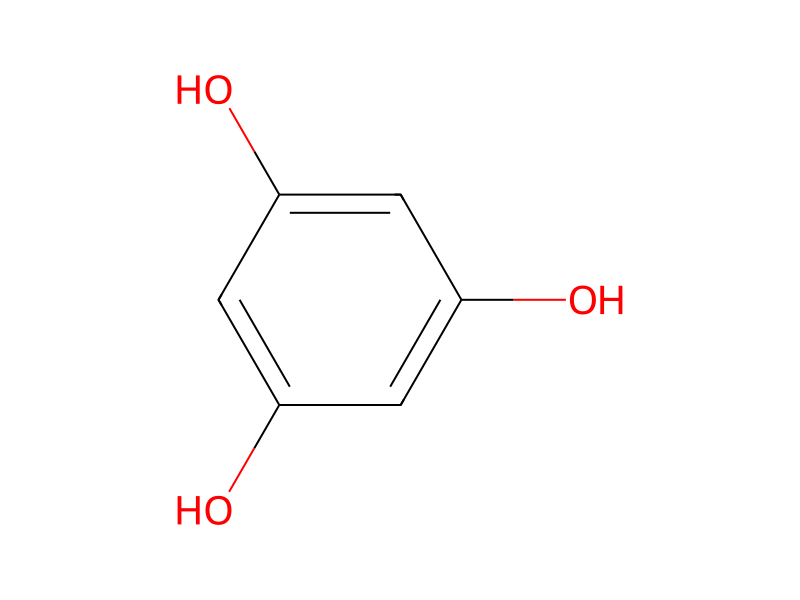
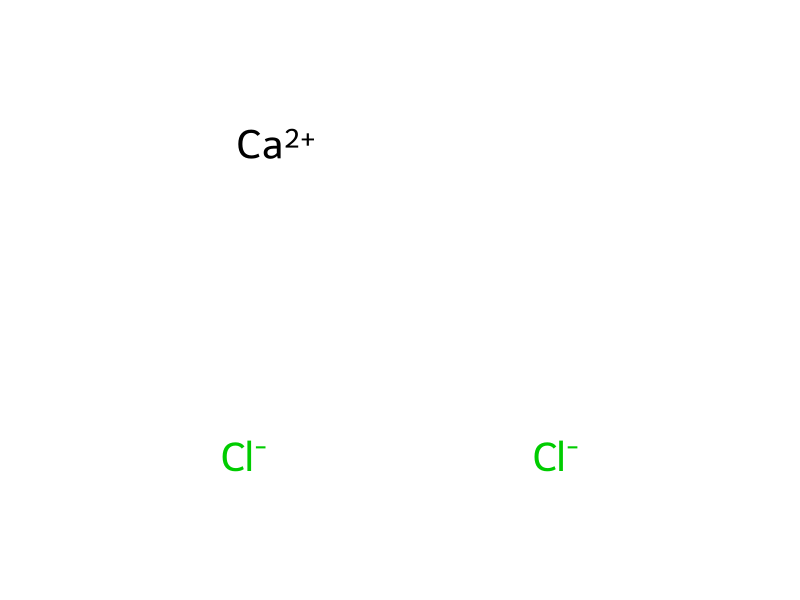
Phloroglucinol (39.5 g, 313 mmol), 4-hydroxyphenylacetonitrile (50.0 g, 376 mmol) and anhydrous ethyl ether (200 mL) were added to a roundbottom flask. Under a nitrogen atmosphere at 0° C., aluminum chloride (5.00 g, 39.3 mmol) was added and the flask was capped quickly. A steady stream of HCl(g), generated by addition of concentrated HCl(1) over calcium chloride, was piped into the mixture. This was continued for 6 hours, yielding a pink precipitate. The precipitate was kept overnight at 0° C., then filtered and refluxed in water (500 mL) for 2 hours. This produced a light red powder that was isolated by filtration and dried. The powder was dissolved in acetone and charged with charcoal to afford 42.9 g of pale yellow powder (54% yield). Mp 259° C. 1H NMR (DMSO-d6, ppm): 12.27 (s, 2H,2,6-OH), 10.41 (s, 1H, 4-OH), 9.23 (s, 1H, 4′-OH), 7.02 (d, 2H, J=8.1 Hz, H-2′,6′), 6.68 (d, 2H, J=8.1 Hz, H-3′,5′), 5.82 (s, 2H, H-3,5), 4.21(s, 2H, Ar—CH2—CO—Ar). 13C NMR (DMSO-d6, ppm): 203.5, 165.2, 164.7, 156.31, 131.0, 126.4, 115.4, 104.1, 95.2, 48.5.
Workup
- customthe flask was capped quickly
- customyielding a pink precipitate
- waitThe precipitate was kept overnight at 0° C.
- filtrationfiltered
- temperaturerefluxed in water (500 mL) for 2 hours
- customThis produced a light red powder that
- customwas isolated by filtration
- customdried
- dissolutionThe powder was dissolved in acetone
- additioncharged with charcoal
Sources & evidence
- ORD record
- ord-3da05dfad591489a99a6bd62c926c17b
- Source dataset
- uspto-grants-2016_07
- Patent number
- US09388273B2
Reaction notes
Loading…