Ammonium Hydroxide → HCID 12051397, compound
Reaction equation

[N:1]12[CH2:8][CH2:7][CH:4]([CH2:5][CH2:6]1)[CH2:3][CH:2]2[C:9]1[CH:10]=[C:11](Br)[CH:12]=[N:13][CH:14]=1.[OH-].[NH4+:17]>S([O-])([O-])(=O)=O.[Cu+2].C(Cl)(Cl)Cl.CO.C(N(CC)CC)C>[N:1]12[CH2:8][CH2:7][CH:4]([CH2:5][CH2:6]1)[CH2:3][CH:2]2[C:9]1[CH:10]=[C:11]([NH2:17])[CH:12]=[N:13][CH:14]=1Participants
Reactant 2


Product 1

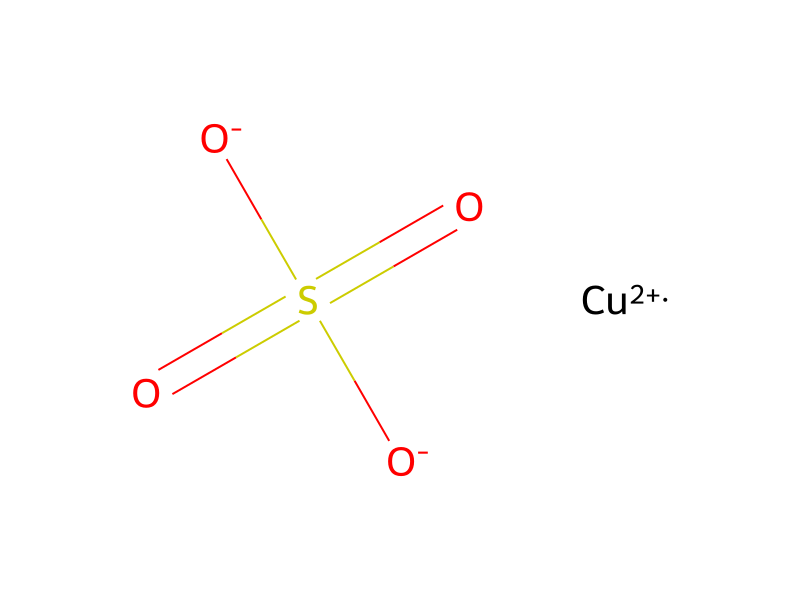
Reagents, catalysts & solvents 2

Conditions
- Temperature
- 180 °C
Procedure
5-(1-azabicyclo[2.2.2]oct-2-yl)-3-(bromo)pyridine (120 mg), was mixed with aqueous ammonium hydroxide (20 mL, 28%) in a sealed tube, copper sulfate (200 mg) was added, and the reaction mixture was heated at 180° C. for 14 hours. The reaction mixture was allowed to cool to ambient temperature and then extracted with chloroform (4×20 mL). The combined organic extracts were dried over anhydrous potassium carbonate, filtered, and the solvent removed on a rotary evaporator to afford a dark syrup. This crude product was subjected to column chromatography over silica gel using chloroform:methanol:triethylamine (9:1:1) to yield an initial fraction of 5-(1-azabicyclo[2.2.2]oct-2-yl)-3-(amino)pyridine, which after removal of solvent afforded a light brown solid (20 mg) homogeneous on TLC (silica, chloroform:methanol 95:5). An impure fraction was also obtained, which afforded a brown solid (40 mg), found to be mostly the desired compound with minor impurities on TLC analysis (total yield ˜65%).
Workup
- temperatureto cool to ambient temperature
- extractionextracted with chloroform (4×20 mL)
- dry with materialThe combined organic extracts were dried over anhydrous potassium carbonate
- filtrationfiltered
- customthe solvent removed on a rotary evaporator
- customto afford a dark syrup
Sources & evidence
- ORD record
- ord-d63af71651d8429992b51b18db089dfc
- Source dataset
- uspto-grants-2003_02
- Patent number
- US06525065B1
Reaction notes
Loading…