Hydrochloric Acid → Isoquinoline, 6-hydroxy-1,2,3,4-tetrahydro-, hydrochloride
Reaction equation

C[O:2][C:3]1[CH:4]=[C:5]2[C:10](=[CH:11][CH:12]=1)[CH2:9][NH:8][CH2:7][CH2:6]2.[Cl-:13].[Al+3].[Cl-].[Cl-].Cl.C(=O)(O)[O-].[Na+]>CSC.O.ClCCl>[ClH:13].[OH:2][C:3]1[CH:4]=[C:5]2[C:10](=[CH:11][CH:12]=1)[CH2:9][NH:8][CH2:7][CH2:6]2Participants
Reactant 4




Product 1

Reagents, catalysts & solvents 3


Procedure
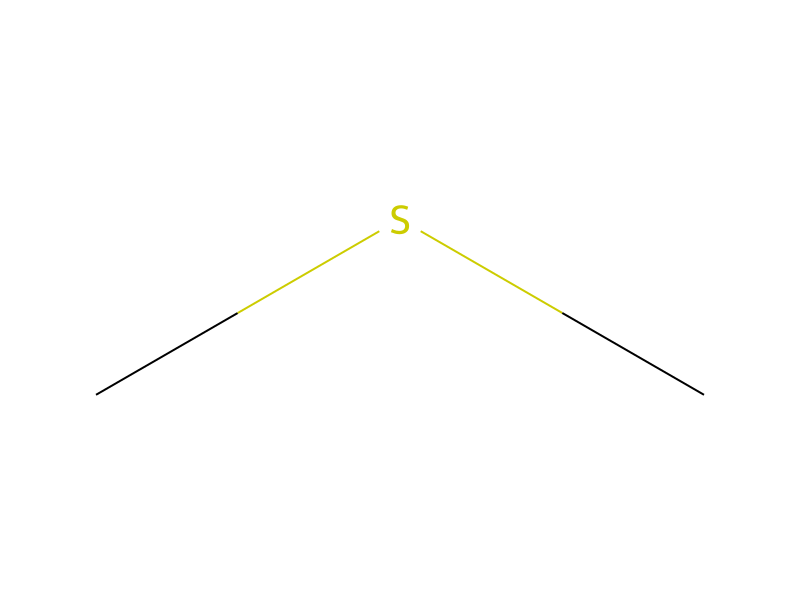
In dimethylsulfide (20 ml), 6-methoxy-1,2,3,4-tetrahydroisoquinoline (7.75 g) was dissolved, followed by the addition of aluminum chloride (19.0 g) under ice cooling. The resulting mixture was stirred at room temperature for 3 hours. Dichloromethane and dilute hydrochloric acid were added to the reaction mixture. A saturated aqueous solution of sodium bicarbonate was added to the water layer so separated to make it weakly alkaline, followed by the extraction with dichloromethane. After drying over anhydrous sodium sulfate, the solvent was then distilled off under reduced pressure. The residue was dissolved in saturated ethanol hydrochloride (100 ml) and the solvent was distilled off under reduced pressure. Ethyl acetate was added to the residue and the solid so precipitated was collected by filtration, whereby the title compound (7.91 g, 90%) was obtained.
Workup
- customso separated
- extractionfollowed by the extraction with dichloromethane
- dry with materialAfter drying over anhydrous sodium sulfate
- distillationthe solvent was then distilled off under reduced pressure
- dissolutionThe residue was dissolved in saturated ethanol hydrochloride (100 ml)
- distillationthe solvent was distilled off under reduced pressure
- additionEthyl acetate was added to the residue
- customthe solid so precipitated
- filtrationwas collected by filtration, whereby the title compound (7.91 g, 90%)
- customwas obtained
Sources & evidence
- ORD record
- ord-c8193f23d0e5407cab177538d332f72a
- Source dataset
- uspto-grants-2003_02
- Patent number
- US06525042B1
Reaction notes
Loading…