Water → Ethyl 4-(4-chlorophenoxy)-2,2-dimethyl-3-oxobutanoate
Reaction equation

[CH2:1]([O:3][C:4](=[O:12])[C:5]([CH3:11])([CH3:10])[C:6](=[O:9])[CH2:7]Br)[CH3:2].[Cl:13][C:14]1[CH:19]=[CH:18][C:17]([OH:20])=[CH:16][CH:15]=1.C(=O)([O-])[O-].[K+].[K+].O>CN(C)C=O>[CH2:1]([O:3][C:4](=[O:12])[C:5]([CH3:11])([CH3:10])[C:6](=[O:9])[CH2:7][O:20][C:17]1[CH:18]=[CH:19][C:14]([Cl:13])=[CH:15][CH:16]=1)[CH3:2]Participants
6

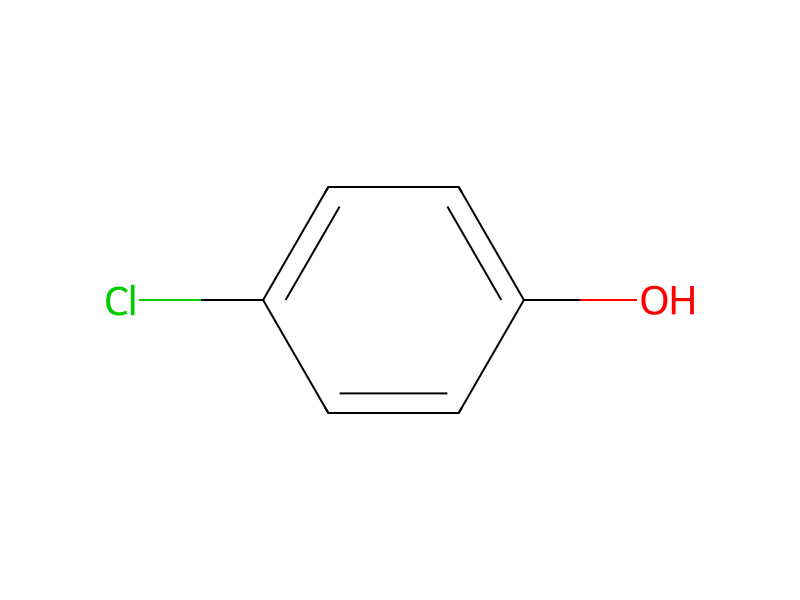




Conditions
- Temperature
- 40 °C
Procedure
316 g (2 mol) of 4-bromo-2,2-dimethyl-3-keto-butanoic acid ethyl ester were added dropwise, at 30° C., to 246 g (2 mol) of 4-chlorophenol and 210 g of potassium carbonate in 1,000 ml of dimethylformamide. The mixture was stirred for 20 hours at room temperature and 2 hours at 40° C. The reaction mixture was then introduced into 2,000 ml of water. The aqueous phase was extracted by shaking twice with 500 ml of methylene chloride at a time and the organic phase was extracted by shaking twice with 250 ml of water each time. The combined organic phases were dried, concentrated and distilled. 324 g (56% of theory) of 4-(4-chlorophenoxy)-2,2-dimethyl-3-keto-butanoic acid ethyl ester of melting point 125-135° C./0.1 mm Hg were obtained.
Workup
- extractionThe aqueous phase was extracted
- stirringby shaking twice with 500 ml of methylene chloride at a time
- extractionthe organic phase was extracted
- stirringby shaking twice with 250 ml of water each time
- customThe combined organic phases were dried
- concentrationconcentrated
- distillationdistilled
Sources & evidence
- ORD record
- ord-c6c7534911b443d39d4843272e860876
- Source dataset
- uspto-grants-1982_05
- Patent number
- US04331674
Reaction notes
Loading…