Hydroxide → ((p-(2-Methoxyethyl)phenoxy)methyl)oxirane
Reaction equation

[CH3:1][O:2][CH2:3][CH2:4][C:5]1[CH:10]=[CH:9][C:8]([OH:11])=[CH:7][CH:6]=1.[CH2:12]([CH:14]1[O:16][CH2:15]1)Cl.C1(O)C=CC=CC=1.[Na].[K].[OH-]>O>[O:16]1[CH2:15][CH:14]1[CH2:12][O:11][C:8]1[CH:9]=[CH:10][C:5]([CH2:4][CH2:3][O:2][CH3:1])=[CH:6][CH:7]=1Participants
8
Reactant 6
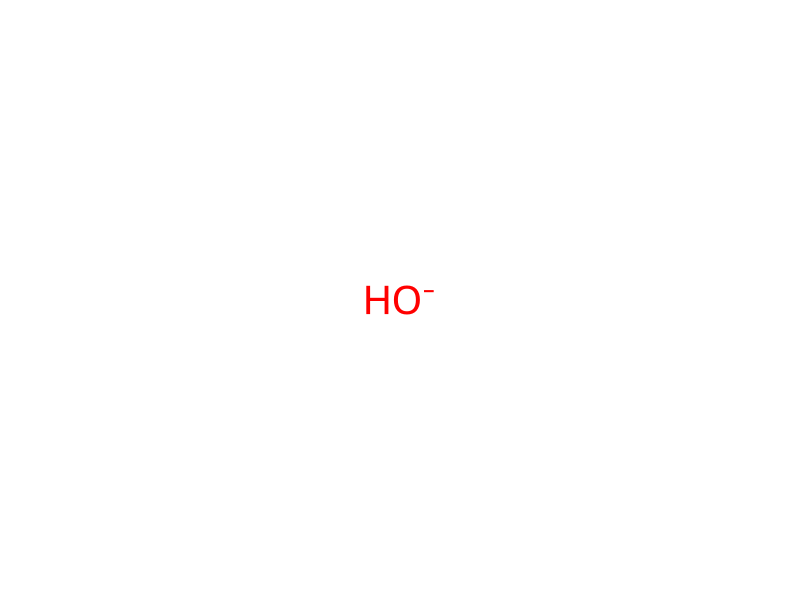




Product 1

Reagents, catalysts & solvents 1

Procedure
p-(2-Methoxyethyl)phenol (A) and epichlorohydrin (B, 1.4-2.0 eqv.) are reacted in water, at least 1.5 kg, preferably about 2 kg of water per kg of phenol, during the addition of sodium (or potassium) hydroxide solution, (1.3-1.7 eqv.) to form 1-(2,3-epoxypropoxy)-4-(2-methoxyethyl)benzene; (p-methoxyethyl-epoxypropoxybenzene). The reaction is preferably performed at a temperature of 50-70° C.
Sources & evidence
- ORD record
- ord-a2f92e52b6434a5db8407b696d297171
- Source dataset
- uspto-grants-2001_06
- Patent number
- US06252113B1
Reaction notes
Loading…