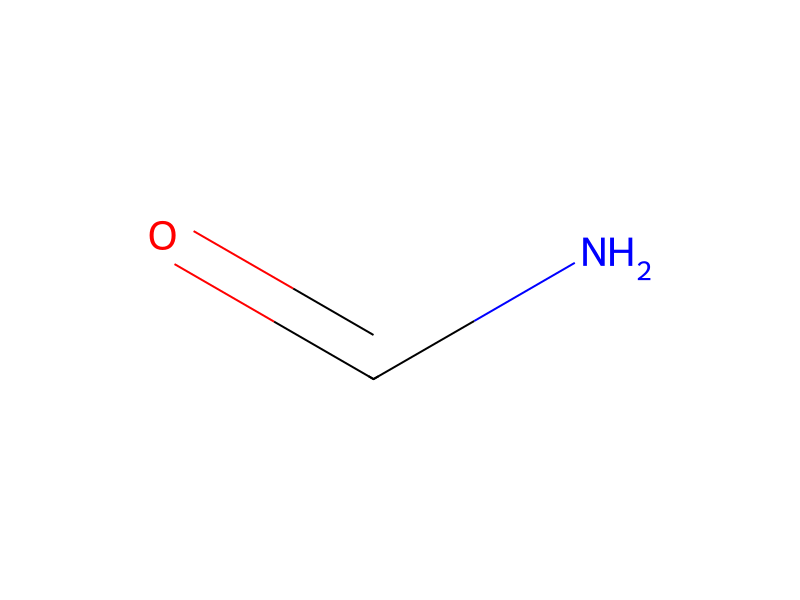
Formamide → (S)-Methyl 3-(thiophen-2-ylthio)butanoate
Reaction equation

[S:1]1[CH:5]=[CH:4][CH:3]=[CH:2]1.C([Li])CCC.[Li]C1[S:13]C=CC=1.[S].OP(O)(O)=O.[C:23]([O:28]SC1SC=CC=1)(=O)[CH2:24][CH2:25][CH3:26].[CH:35](N)=[O:36]>C(OCC)(=O)C.O.CC#N.C1COCC1>[S:1]1[CH:5]=[CH:4][CH:3]=[C:2]1[S:13][C@@H:25]([CH3:26])[CH2:24][C:23]([O:36][CH3:35])=[O:28]Participants
Reactant 7






Product 1

Reagents, catalysts & solvents 4




Conditions
- Temperature
- -5 °C
Procedure
Thiophene (18.1 mL, 19.0 g, 226 mmol) and anhydrous THF (200 mL, K.F. <0.05%) were charged to a 1-L three-necked round-bottomed flask fitted with a thermometer, mechanical stirrer, nitrogen bubbler, and addition funnel. The solution was cooled to -5° C. and n-butyl lithium (137 mL of 1.6 M in hexane, 219 mmol) was added at such a rate as to maintain the temperature at <0° C. After addition was complete the reaction was stirred for 1 h at 0°-5° C. To the rapidly stirred 2-lithiothiophene solution was added powdered sulfur (7 g, 219 mmol), portionwise, while maintaining the temperature at <5° C. After addition of the sulfur the reaction mixture was stirred for 2.5 h at 0°-5° C. Cooling was maintained and the reaction mixture was diluted with formamide (200 mL tech. grade) that had been thoroughly purged with nitrogen. To this biphasic mixture was then added solid methyl (R)-3-(p-toluenesulfonyloxy) butyrate (57.0 g, 209 mmol) and the mixture was stirred at 25° C. for three days. (The progress of the alkylation was conveniently monitored by hplc: Column: C-8 Altex Ultrasphere 5 micron (4.1 mm×25 cm); Gradient: 65:35 A:[email protected] mL/min to 20:80 over 20 min., A=H2O (0.1% H3PO4 v/v), B=CH3CN; Temp: 45° C.; Detector: UV@230 nm; RTMethyl (S) 3 (2-thienylthio) butyrate 12.50 min. The entire reaction mixture was then poured into a stirred vessel containing water (400 mL) and ethyl acetate (200 mL) at 25° C. The organic layer was separated and the aqueous layer was back extracted once with 1:1 ethyl acetate:hexanes (100 mL). The organic layers were combined and washed with brine (200 mL). Concentration of the ethyl acetate solution from water under vacuum removed residual ethyl acetate and afforded a viscous oil/water mixture (ca. 100 mL water/60 mL oil) which was hydrolyzed directly in the next step. A small sample of the oil was chromatographed on silica gel (10% ethyl acetate in hexanes) for byproduct identification and product characterization and chirality determination.
Workup
- customfitted with a thermometer, mechanical stirrer, nitrogen bubbler, and addition funnel
- temperatureto maintain the temperature at <0° C
- additionAfter addition
- temperatureportionwise, while maintaining the temperature at <5° C
- stirringwas stirred for 2.5 h at 0°-5° C
- temperatureCooling
- temperaturewas maintained
- customhad been thoroughly purged with nitrogen
- stirringthe mixture was stirred at 25° C. for three days
- waitGradient: 65:35 A:[email protected] mL/min to 20:80 over 20 min.
- custom45° C.
- customThe entire reaction mixture
- additionwas then poured into a stirred vessel
- customThe organic layer was separated
- extractionthe aqueous layer was back extracted once with 1:1 ethyl acetate
- washwashed with brine (200 mL)
- customConcentration of the ethyl acetate solution from water under vacuum removed residual ethyl acetate
- customafforded a viscous oil/water mixture (ca. 100 mL water/60 mL oil) which
- customA small sample of the oil was chromatographed on silica gel (10% ethyl acetate in hexanes) for byproduct identification and product characterization and chirality determination
Sources & evidence
- ORD record
- ord-60cd9057446c4b78a71e3789de435dc3
- Source dataset
- uspto-grants-1990_11
- Patent number
- US04968814
Reaction notes
Loading…