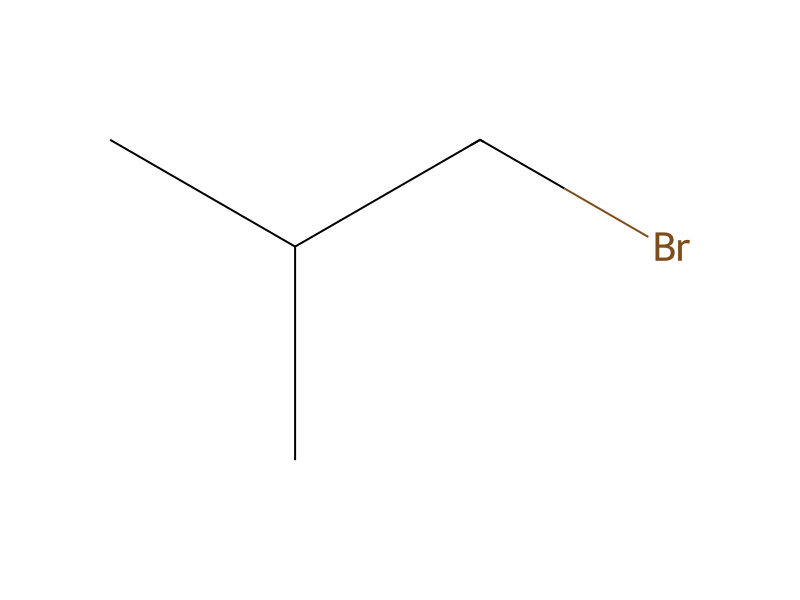
1-Bromo-2-methylpropane → 5-Hydroxy-7-isobutoxy-2,2-dimethyl-4-chromanone
Reaction equation

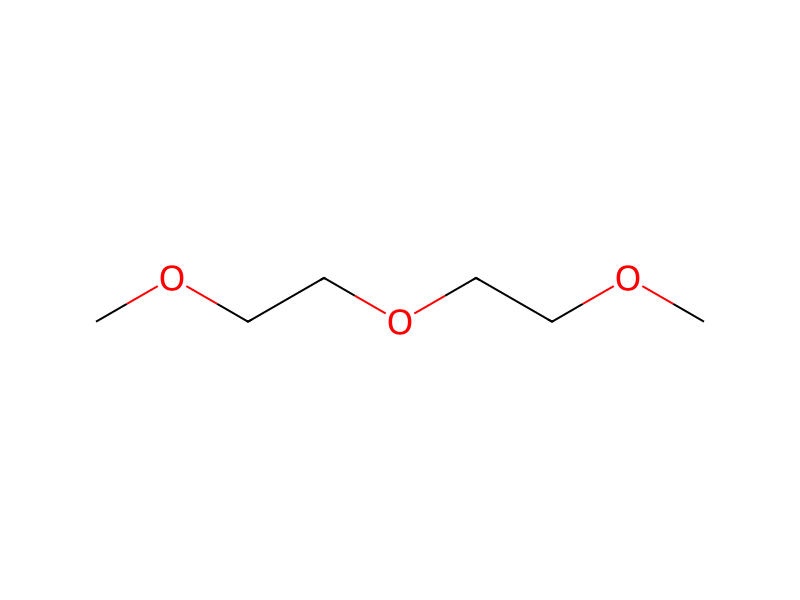
COCCOCCOC.C(=O)([O-])[O-].[K+].[K+].[CH2:16](Br)[CH:17]([CH3:19])[CH3:18].[OH:21][C:22]1[CH:31]=[C:30]([OH:32])[CH:29]=[C:28]2[C:23]=1[C:24](=[O:35])[CH2:25][C:26]([CH3:34])([CH3:33])[O:27]2>[I-].[K+]>[OH:21][C:22]1[CH:31]=[C:30]([O:32][CH2:16][CH:17]([CH3:19])[CH3:18])[CH:29]=[C:28]2[C:23]=1[C:24](=[O:35])[CH2:25][C:26]([CH3:33])([CH3:34])[O:27]2Participants
6




Conditions
- Temperature
- 100 °C
Procedure
In 50 of diethylene glycol dimethylether (DIGLIM) 4.2 g (20 millimoles) of 5,7-dihydroxy-2,2-dimethyl-4-chromanone are dissolved, whereupon 3.0 g (22 millimoles) of potassium carbonate and 0.2 g of potassium iodide and thereafter 3.3 g (2.6 ml, 24 millimoles) of isobutyl bromide are added. The reaction mixture is heated at 100° C. for 10 hours and worked up according to Example 19. Thus 4.1 g of the desired compound are obtained, yield 79%. Mp.: 77°-79° C.
Sources & evidence
- ORD record
- ord-c5d00944bab14d8da2368cff68302686
- Source dataset
- uspto-grants-1990_11
- Patent number
- US04968819
Reaction notes
Loading…