Boron trifluoride → Ethyl Acrylate Ethylene Vinyl Chloroacetate
Reaction equation

[CH2:1]([O:3][C:4](=[O:7])[CH:5]=[CH2:6])[CH3:2].[Cl:8][CH2:9][C:10]([O:12][CH:13]=[CH2:14])=[O:11].N(C(C)(C)C#N)=NC(C)(C)C#N.B(F)(F)F>ClCCl>[C:4]([O:3][CH2:1][CH3:2])(=[O:7])[CH:5]=[CH2:6].[CH2:9]=[CH2:10].[Cl:8][CH2:9][C:10]([O:12][CH:13]=[CH2:14])=[O:11]Participants
6
Reactant 4
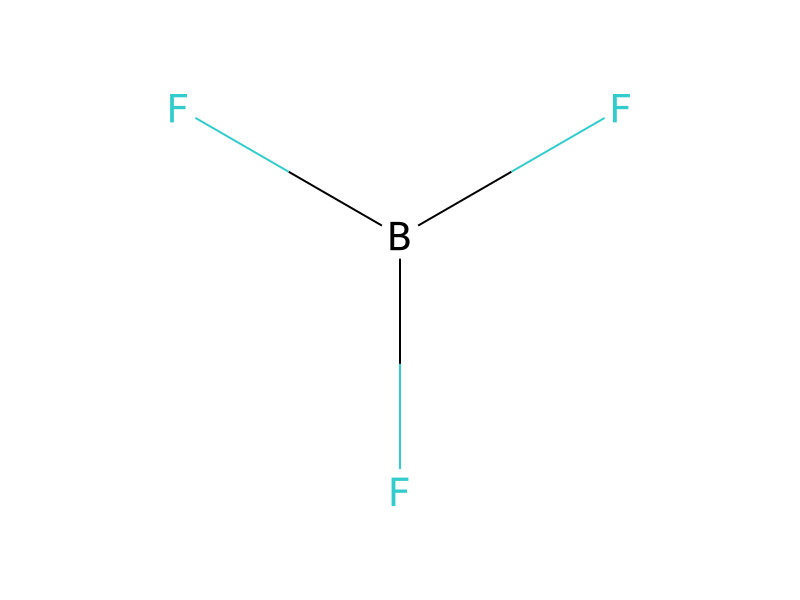



Product 1

Reagents, catalysts & solvents 1

Procedure
A solution of 20 g. ethylacrylate 2.0 g. of vinyl chloroacetate, 0.0165 gram-mole and 0.15 g. 2,2'-azobis(2-methylpropionitrile) in 200 ml dichloromethane is saturated with BF3 and placed in a 400 ml shaker tube. The general procedure of Example 1, Part A is followed except that the temperature is kept at 25°C. for 6 hours. There is obtained 24.3 g. of copolymer having an inherent viscosity of 1.77 (measured as above) and containing 0.5% Cl (1.7 wt. % vinyl chloroacetate).
Workup
- customplaced in a 400 ml shaker tube
- customThere is obtained 24.3 g
- additioncontaining 0.5% Cl (1.7 wt. % vinyl chloroacetate)
Sources & evidence
- ORD record
- ord-6905f9d21c6d4b2eac75bb43071beaa5
- Source dataset
- uspto-grants-1976_05
- Patent number
- US03956248
Reaction notes
Loading…