Hydrochloric Acid → 4,4'-(4-Phenylcyclohexylidene)bisphenol
Reaction equation

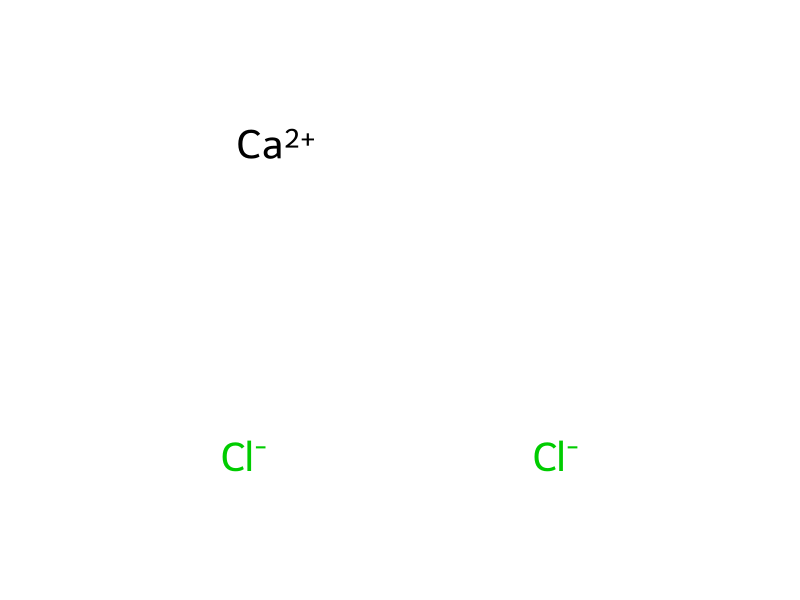
[C:1]1([CH:7]2[CH2:12][CH2:11][CH2:10][CH2:9][CH2:8]2)[CH:6]=[CH:5][CH:4]=[CH:3][CH:2]=1.[C:13]1([OH:19])[CH:18]=[CH:17][CH:16]=[CH:15][CH:14]=1.[Cl-].[Ca+2].[Cl-].Cl.C([O:27][CH2:28][CH3:29])(=O)C>O>[OH:19][C:13]1[CH:18]=[CH:17][C:16]([C:4]2([C:1]3[CH:6]=[CH:29][C:28]([OH:27])=[CH:3][CH:2]=3)[CH2:5][CH2:6][CH:1]([C:7]3[CH:12]=[CH:11][CH:10]=[CH:9][CH:8]=3)[CH2:2][CH2:3]2)=[CH:15][CH:14]=1Participants
Reactant 5




Product 1

Reagents, catalysts & solvents 1

Procedure
(1st step): To a mixture of 51.6 g of 4-phenylcyclohexane, 111.5 g of phenol and 65.7 g of calcium chloride, 24.7 ml of concentrated hydrochloric acid was slowly added dropwise by vigorous stirring of the mixture at room temperature. Then, the mixture was stirred for eight hours and left for more 168 hours at room temperature. 0.3 liters of warm water and one liter of ethyl acetate were added to the mixture to dissolve by heating, and the mixture was washed with a saturated sodium chloride solution (warm water of 40°-50° C. was used). After drying with MgSO4, the mixture was filtered and concentrated. The resultant concentrate was recrystallized with toluene to obtain 64.9 g of white 1,1-bis(4-hydroxyphenyl)-4-phenylcyclohexane. The melting point was 262.1°-263.3° C.
Workup
- additionwas slowly added dropwise
- stirringThen, the mixture was stirred for eight hours
- dissolutionto dissolve
- temperatureby heating
- washthe mixture was washed with a saturated sodium chloride solution (warm water of 40°-50° C. was used)
- dry with materialAfter drying with MgSO4
- filtrationthe mixture was filtered
- concentrationconcentrated
- concentrationThe resultant concentrate
- customwas recrystallized with toluene
Sources & evidence
- ORD record
- ord-ec72d415c1574c6692a536f62fab4935
- Source dataset
- uspto-grants-1996_08
- Patent number
- US05545444
Reaction notes
Loading…