Triethylamine → 4-chloro-N-[1-(4-chlorophenyl)-1-methylethyl]butyramide
Reaction equation

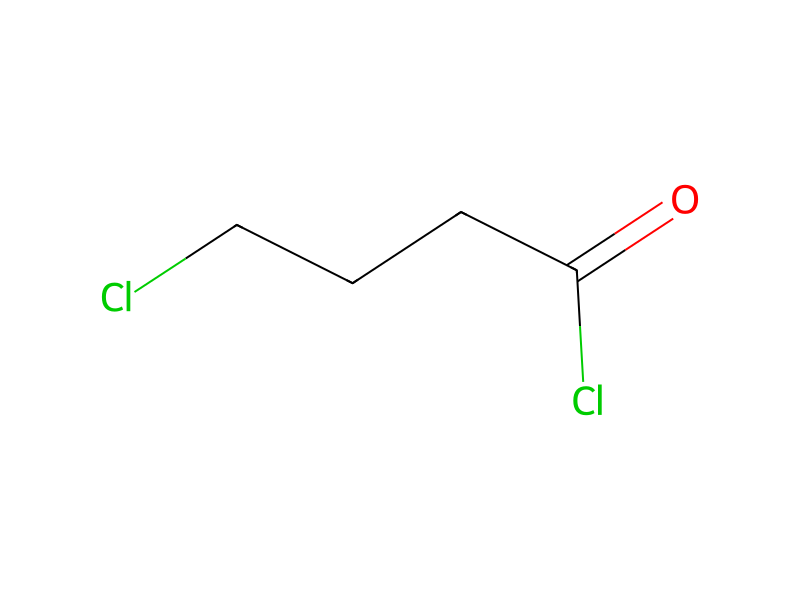
Cl.[Cl:2][C:3]1[CH:8]=[CH:7][C:6]([C:9]([NH2:12])([CH3:11])[CH3:10])=[CH:5][CH:4]=1.[Cl:13][CH2:14][CH2:15][CH2:16][C:17](Cl)=[O:18].C(N(CC)CC)C>ClCCl>[Cl:13][CH2:14][CH2:15][CH2:16][C:17]([NH:12][C:9]([C:6]1[CH:5]=[CH:4][C:3]([Cl:2])=[CH:8][CH:7]=1)([CH3:10])[CH3:11])=[O:18]Participants
5




Procedure
In a similar manner to Example 52b, 1-(4-chlorophenyl)-1-methylethylamine hydrochloride (2.5 g) was treated with 4-chlorobutyryl chloride (1.7 g) in dichloromethane (30 ml) containing triethylamine (3.4 ml) to give 4-chloro-N-[1-(4-chlorophenyl)-1-methylethyl]butyramide which was used directly in part (b) below.
Sources & evidence
- ORD record
- ord-54aec7b10ade49d5bda1b26a203ed4e8
- Source dataset
- uspto-grants-1996_08
- Patent number
- US05547972
Reaction notes
Loading…