Urea → 4-Nitrobenzamide
Reaction equation

[N+:1]([C:4]1[CH:12]=[CH:11][C:7]([C:8](O)=[O:9])=[CH:6][CH:5]=1)([O-:3])=[O:2].[NH2:13]C(N)=O>P(O)(O)O>[N+:1]([C:4]1[CH:12]=[CH:11][C:7]([C:8]([NH2:13])=[O:9])=[CH:6][CH:5]=1)([O-:3])=[O:2]Participants
4



Reagents, catalysts & solvents 1
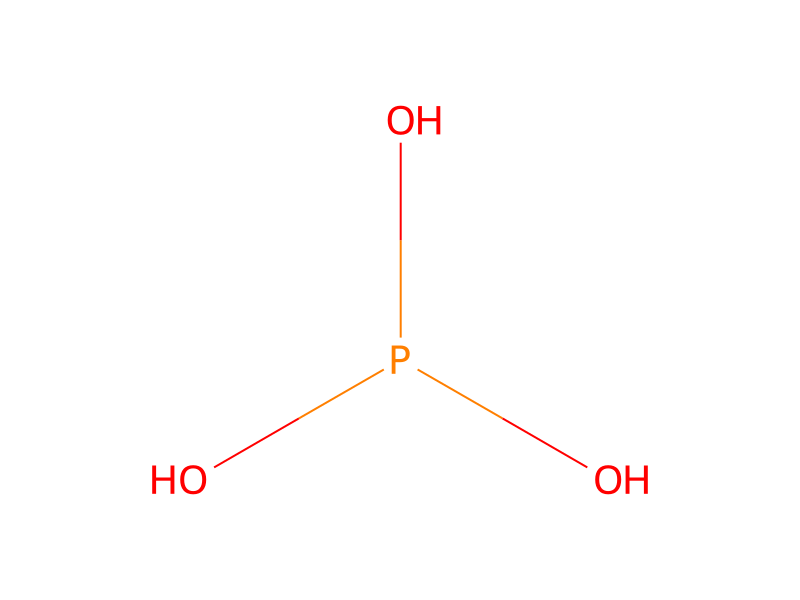
Procedure
334 g (2.0 mol) of 4-nitrobenzoic acid, 120 g (2.0 mol) of urea and 2.0 g of phosphorous acid are heated in 1000 ml of the organic mother liquor from the preceding experiment, with stirring, at from 158° to 163° C. The mixture is worked up as described above. 313.4 g of 4-nitrobenzamide are obtained having a melting point of from 192° to 195° C. This corresponds to a yield of 94.4% of theory. By acidification of the aqueous mother liquor to pH 2, 8.8 g of 4-nitrobenzoic acid (2.6% of theory) are obtained.
Sources & evidence
- ORD record
- ord-a481957ecd5c4814affba46a180a6fa3
- Source dataset
- uspto-grants-1996_08
- Patent number
- US05550286
Reaction notes
Loading…