Sodium hydride → HCID 53704830, compound
Reaction equation

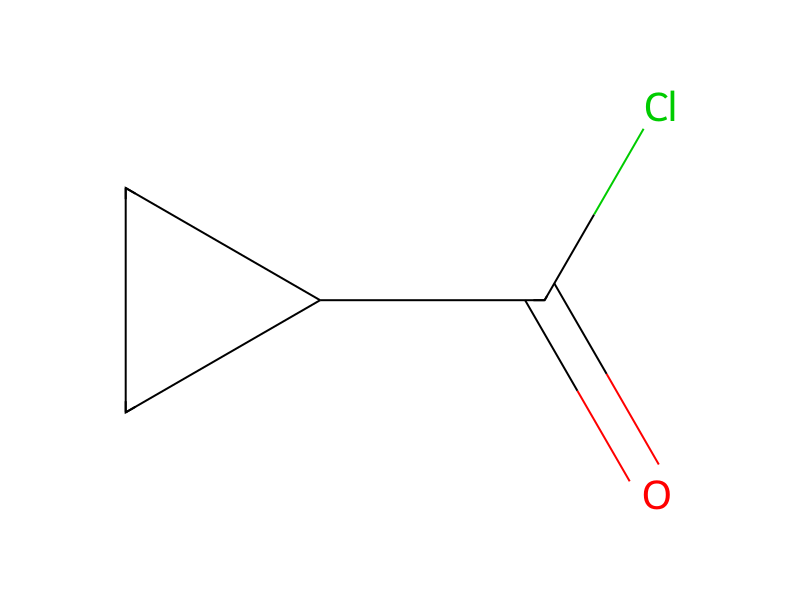
[C:1]([C:4]1[CH:10]=[C:9]([O:11][CH3:12])[C:8]([O:13][CH2:14][CH2:15][CH2:16][CH3:17])=[CH:7][C:5]=1[NH2:6])(=[O:3])[CH3:2].[H-].[Na+].[CH:20]1([C:23](Cl)=[O:24])[CH2:22][CH2:21]1.C(N1C2C(=CC=CC=2)C(=O)C=C1C1SC=CC=1)C>>[CH:20]1([C:23]([NH:6][C:5]2[CH:7]=[C:8]([O:13][CH2:14][CH2:15][CH2:16][CH3:17])[C:9]([O:11][CH3:12])=[CH:10][C:4]=2[C:1](=[O:3])[CH3:2])=[O:24])[CH2:22][CH2:21]1Participants
5



Procedure
2-Acetyl-5-n-butoxy-4-methoxyaniline (320 mg), 60% sodium hydride (81 mg) and cyclopropylcarbonyl chloride (296 mg) were reacted in the same manner as in the preparation of compound 97 to obtain N-cyclopropylcarbonyl-2-acetyl-5-n-butoxy-4-methoxyaniline (360 mg). This compound (250 mg) and potassium t-butoxide (460 mg) were reacted with each other in the same manner as in the preparation of compound 95 to obtain 7-n-butoxy-2-cyclopropyl-6-methoxy-4(1H)-quinolone (compound 115, 90 mg).
Sources & evidence
- ORD record
- ord-7dec3c5568424386b956373a8c65e180
- Source dataset
- uspto-grants-1992_01
- Patent number
- US05081121
Reaction notes
Loading…