1H-Indazole → Hydrazine
Reaction equation

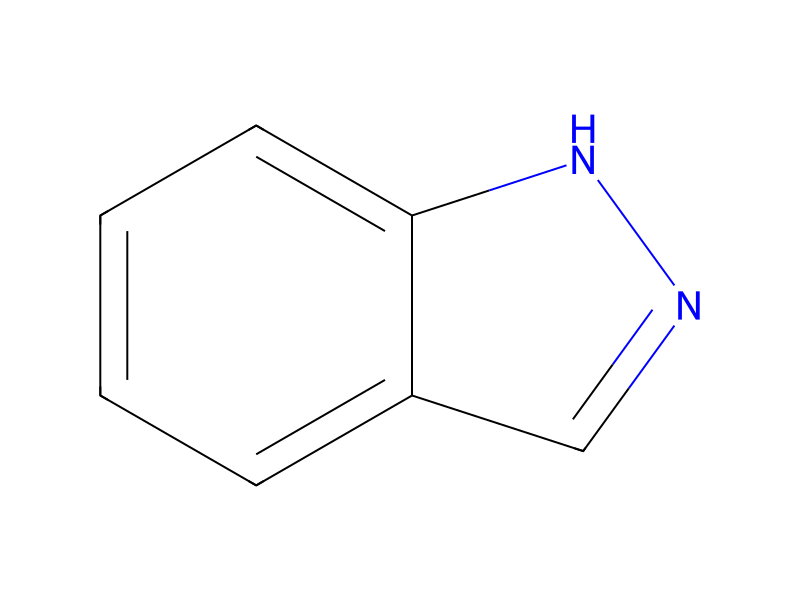
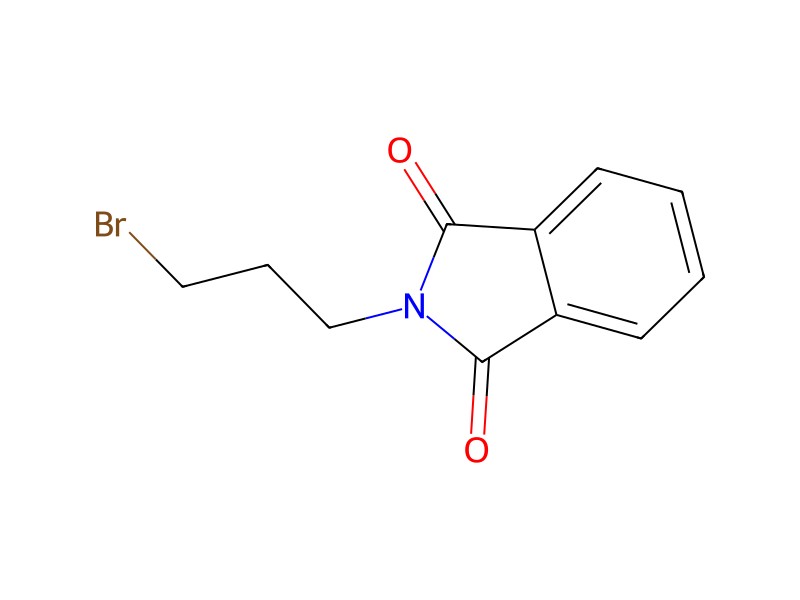
[Na].[NH:2]1[C:10]2[C:5](=[CH:6][CH:7]=[CH:8][CH:9]=2)[CH:4]=[N:3]1.Br[CH2:12][CH2:13][CH2:14][N:15]1[C:19](=[O:20])[C:18]2=[CH:21][CH:22]=[CH:23][CH:24]=[C:17]2[C:16]1=[O:25]>CN(C)C=O>[N:2]1([CH2:12][CH2:13][CH2:14][N:15]2[C:19](=[O:20])[C:18]3=[CH:21][CH:22]=[CH:23][CH:24]=[C:17]3[C:16]2=[O:25])[C:10]2[C:5](=[CH:6][CH:7]=[CH:8][CH:9]=2)[CH:4]=[N:3]1.[NH2:2][NH2:3]Participants
6
Reactant 3

Product 2


Reagents, catalysts & solvents 1

Procedure
The reaction of the sodium salt of indazole with N-(3-bromopropyl)phthalimide in dimethylformamide solution gives N-(3-(1H-indazol-1-yl)propyl)phthalimide, which upon treatment with hydrazine in refluxing ethanol leads to (3-(1H-indazol-1-yl)propanamine.
Sources & evidence
- ORD record
- ord-ef9907ac7a374042843984db435467c5
- Source dataset
- uspto-grants-1992_01
- Patent number
- US05081131
Reaction notes
Loading…