Potassium Carbonate → Methyl 3-(cyclopropylmethoxy)-4-methoxy-2-nitrobenzoate
Reaction equation

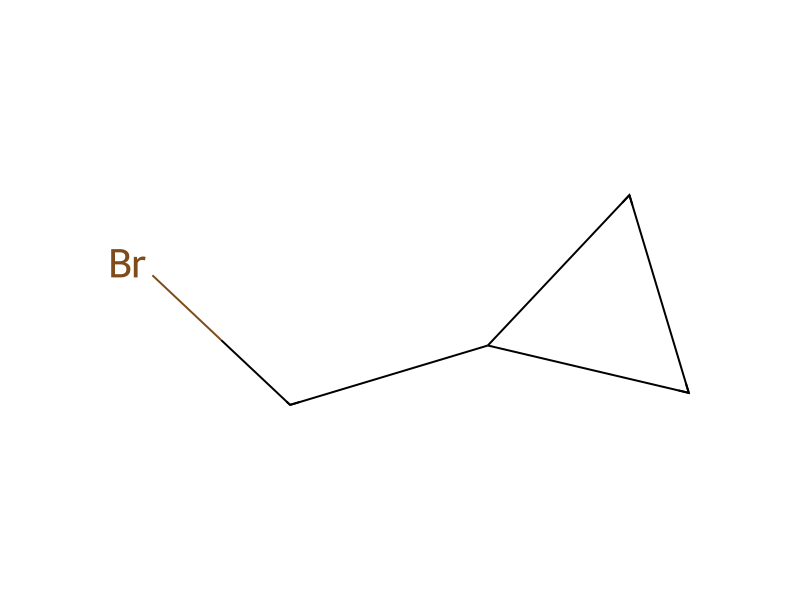
Br[CH2:2][CH:3]1[CH2:5][CH2:4]1.C(=O)([O-])[O-].[K+].[K+].[OH:12][C:13]1[C:14]([N+:25]([O-:27])=[O:26])=[C:15]([CH:20]=[CH:21][C:22]=1[O:23][CH3:24])[C:16]([O:18][CH3:19])=[O:17]>CN(C)C=O>[CH:5]1([CH2:4][O:12][C:13]2[C:14]([N+:25]([O-:27])=[O:26])=[C:15]([CH:20]=[CH:21][C:22]=2[O:23][CH3:24])[C:16]([O:18][CH3:19])=[O:17])[CH2:3][CH2:2]1Participants
5




Procedure
(Bromomethyl)cyclopropane (136 g, 1.01 mol) and potassium carbonate (173 g, 1.25 mol) were added to a solution of methyl 3-hydroxy-4-methoxy-2-nitrobenzoate (190 g, 837 mmol) and dimethylformamide (1 L). The mixture was stirred at room temperature overnight and then quenched with water/ice (3 L). The resulting solids were collected by filtration, washed with water (500 mL×3), and then dried in an oven to give 220 g of methyl 3-(cyclopropylmethoxy)-4-methoxy-2-nitrobenzoate as a yellow solid. MS (ESI): 281.9.
Workup
- customquenched with water/ice (3 L)
- filtrationThe resulting solids were collected by filtration
- washwashed with water (500 mL×3)
- customdried in an oven
Sources & evidence
- ORD record
- ord-62756070d644474a96f6d86ae2e03a9a
- Source dataset
- uspto-grants-2012_03
- Patent number
- US08138205B2
Reaction notes
Loading…