Sodium Iodide → 6-Bromo-4-iodoquinoline
Reaction equation

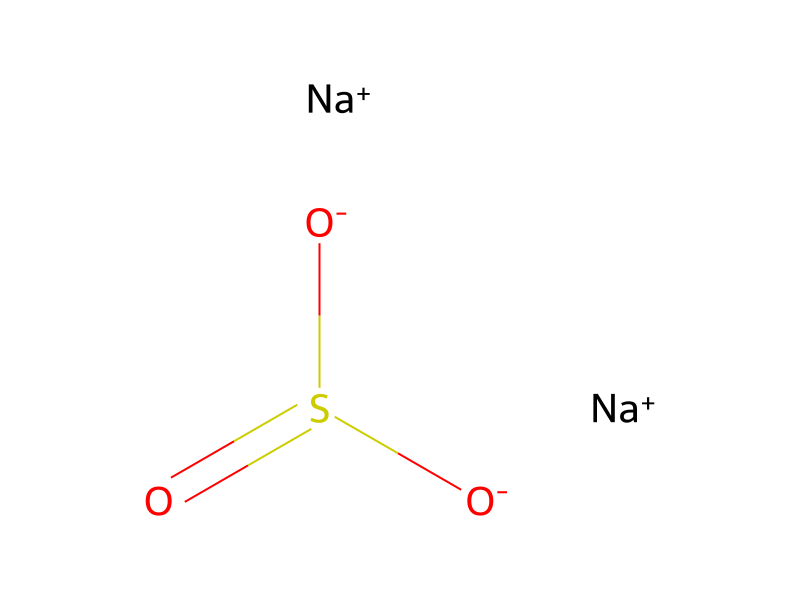
Cl.[Br:2][C:3]1[CH:4]=[C:5]2[C:10](=[CH:11][CH:12]=1)[N:9]=[CH:8][CH:7]=[C:6]2Cl.[I-:14].[Na+].C(#N)CC.S([O-])([O-])=O.[Na+].[Na+]>C([O-])([O-])=O.[K+].[K+]>[Br:2][C:3]1[CH:4]=[C:5]2[C:10](=[CH:11][CH:12]=1)[N:9]=[CH:8][CH:7]=[C:6]2[I:14]Participants
Reactant 4



Product 1

Reagents, catalysts & solvents 1

Procedure
A 3-neck roundbottom flask equipped with a reflux condenser and mechanical stirrer was charged with 6-bromo-4-chloroquinoline hydrochloride (34.6 g, 0.124 mol), anhydrous sodium iodide (92.93 g, 0.62 mol) and propionitrile (1 L). The resulting slurry was stirred vigorously at reflux for 96 hrs. The solution was cooled to room temperature and 500 mL of 10% K2CO3 solution was added, followed by a 200 mL of a 5% sodium sulfite solution. The reaction mixture was extracted with CH2Cl2 (600 mL×4). The combined organic extracts were dried (Na2SO4), filtered and conc. in vacuo to provide the title compound as an off-white solid (41.8 g, >quantitative yield), which was used without further purification. LCMS [α]+=333.8, 334.8, 336.0 and 337.0; H1 NMR (400 MHz, d-DMSO) δ (ppm)=7.98-7.96 (2H, m), 8.14-8.16 (1H, m), 8.23 (1H, d), 8.53 (1H, d).
Workup
- customA 3-neck roundbottom flask equipped with a reflux condenser and mechanical stirrer
- temperatureat reflux for 96 hrs
- extractionThe reaction mixture was extracted with CH2Cl2 (600 mL×4)
- dry with materialThe combined organic extracts were dried (Na2SO4)
- filtrationfiltered and conc. in vacuo
Sources & evidence
- ORD record
- ord-b1aac089f6644e33a9261771c3d1bf64
- Source dataset
- uspto-grants-2012_03
- Patent number
- US08138347B2
Reaction notes
Loading…