Hydrochloric Acid → HCID 178498539, compound
Reaction equation

[N-:1]=[N+:2]=[N-:3].[Na+].Cl.C(N(CC)CC)C.[C:13]([C:15]1[CH:16]=[C:17]([CH:22]=[C:23]([O:25][CH2:26][C:27]2[CH:32]=[CH:31][CH:30]=[CH:29][CH:28]=2)[CH:24]=1)[C:18]([O:20][CH3:21])=[O:19])#[N:14].Cl>CN(C=O)C>[CH2:26]([O:25][C:23]1[CH:22]=[C:17]([CH:16]=[C:15]([C:13]2[NH:14][N:3]=[N:2][N:1]=2)[CH:24]=1)[C:18]([O:20][CH3:21])=[O:19])[C:27]1[CH:28]=[CH:29][CH:30]=[CH:31][CH:32]=1Participants
6
Reactant 4



Product 1

Reagents, catalysts & solvents 1

Conditions
- Temperature
- 100 °C
Procedure
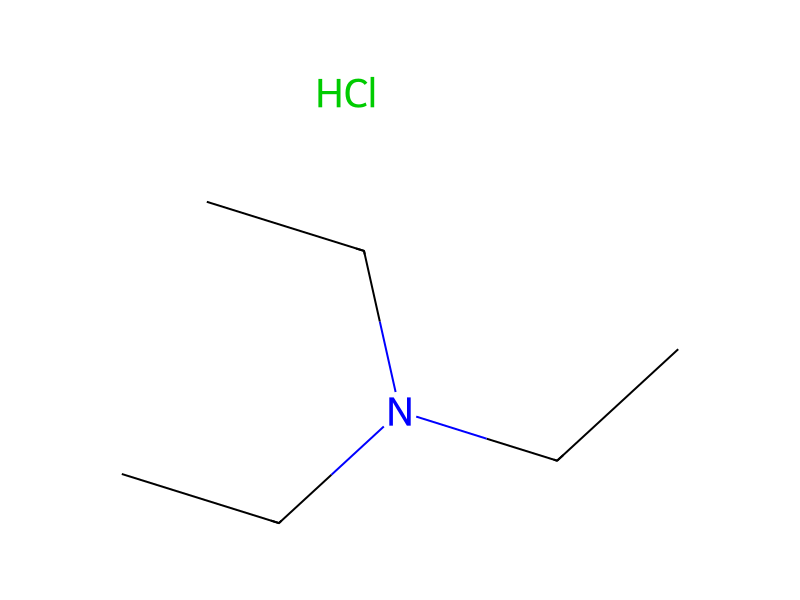
Sodium azide (1.5 g) and triethylamine hydrochloride (3.2 g) were added to a DMF (70 mL) solution of methyl 3-cyano-5-benzyloxybenzoate (2.07 g), and stirred at 100° C. for 6 hours and then overnight at room temperature. With cooling with ice, diluted hydrochloric acid was added to it, the precipitate was taken out through filtration, washed with water, and dried to obtain the title compound as a white powder.
Workup
- customovernight
- customat room temperature
- additionwas added to it
- filtrationthe precipitate was taken out through filtration
- washwashed with water
- customdried
Sources & evidence
- ORD record
- ord-6d66a2ad727048a38dc8e03e43808a5e
- Source dataset
- uspto-grants-2012_03
- Patent number
- US08138197B2
Reaction notes
Loading…