Triethylamine → HCID 9904687, compound
Reaction equation

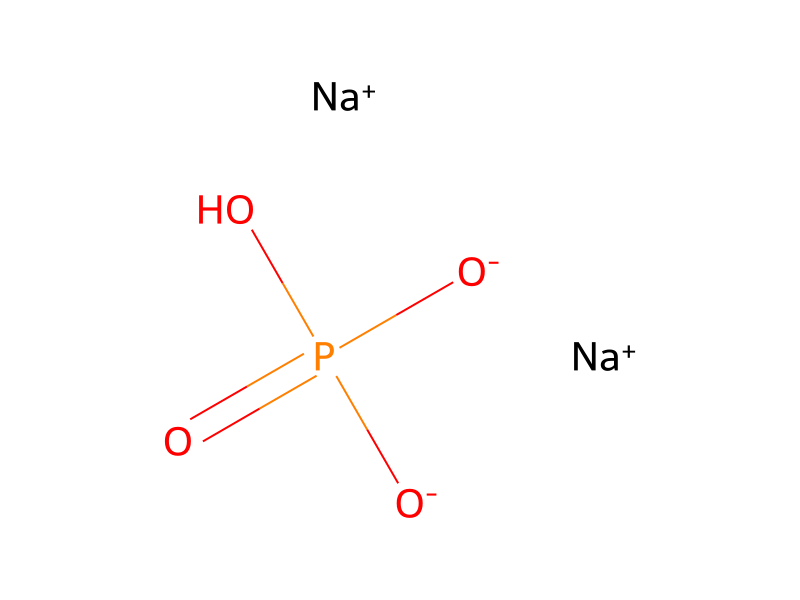
[N+:1]([C:4]1[CH:25]=[CH:24][C:7]([CH2:8][O:9][C:10]([N:12]2[CH2:16][C@H:15]([S:17](C)(=O)=O)[CH2:14][C@H:13]2[C:21](=S)[OH:22])=[O:11])=[CH:6][CH:5]=1)([O-:3])=[O:2].P([O-])([O-])(O)=O.[Na+].[Na+].C(N(CC)CC)C>C(Cl)Cl.O1CCCC1>[N+:1]([C:4]1[CH:5]=[CH:6][C:7]([CH2:8][O:9][C:10]([N:12]2[CH2:16][C@@H:15]3[CH2:14][C@H:13]2[C:21](=[O:22])[S:17]3)=[O:11])=[CH:24][CH:25]=1)([O-:3])=[O:2]Participants
6
Reactant 3


Product 1

Reagents, catalysts & solvents 2


Procedure
For example, (2S,4R)-1-p-nitrobenzyloxycarbonyl -4-methanesulfonyl-2-pyrrolidinethiocarboxylic acid is allowed to react with disodium hydrogenphosphate or triethylamine in methylene chloride or tetrahydrofuran, thereby to give (1S,4S)-5-p-nitrobenzyloxycarbonyl-2-thia-5-azabicyclo[2.2.1]heptan-3-one.
Sources & evidence
- ORD record
- ord-2665c7cbce56476595827e08561e3fcd
- Source dataset
- uspto-grants-1994_06
- Patent number
- US05322952
Reaction notes
Loading…