Ethanol → Acrylic Acid
Reaction equation

[C:1]([O:4][CH2:5][CH3:6])(=[O:3])[CH3:2].[CH2:7](O)[CH3:8].[C:10]([CH2:13][C:14](=O)C)(=O)[CH3:11].[CH2:17](N([CH2:22][CH3:23])CC)C>>[C:1]([OH:4])(=[O:3])[CH:2]=[CH2:7].[C:1]([O:4][CH3:5])(=[O:3])[CH:22]=[CH2:23].[C:1]([O:4][CH2:5][CH:6]([CH2:7][CH3:8])[CH2:11][CH2:10][CH2:13][CH3:14])(=[O:3])[CH:2]=[CH2:17]Participants
7





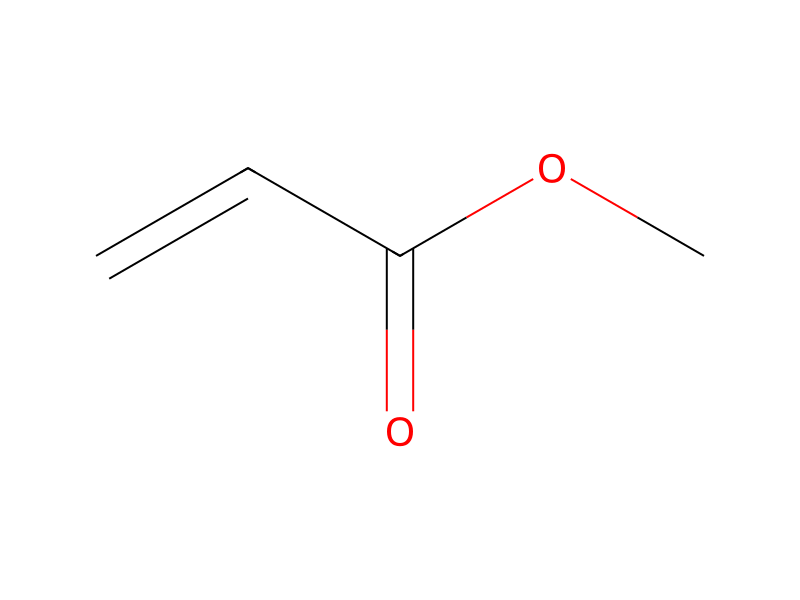

Procedure
Using the same procedure as was described in the preceding Examples, an interpolymer of 6.2 parts of acrylic acid, 32.8 parts of methyl acrylate and 61.0 parts of 2-ethylhexyl acrylate was prepared in 73.04 parts of ethyl acetate and 25.11 parts of denatured ethanol. Acetylacetone, 0.5 part, triethylamine, 0.53 part and a 75 percent solution of titanium diisopropyl diacetylacetonate, 0.82 part, were added. The resulting adhesive composition had a solids content of 45% and a viscosity, at 25° C., of 1875 cps. The adhesive properties of the composition were: 0° Shear -- > 24 hours; 180° Peel -- 3.0 lbs. per inch of width; 90° Quick Stick -- 0.52 lb. per inch of width.
Workup
- customat 25° C.
- custom0° Shear
- custom> 24 hours
- custom180° Peel
Sources & evidence
- ORD record
- ord-432da485b946432a9874b6af46e07a71
- Source dataset
- uspto-grants-1978_10
- Patent number
- US04121028
Reaction notes
Loading…