2,2-Dimethoxypropane → (5-Bromo-6-chloro-pyridin-3-yl)-((R)-4-isobutyl-2,2-dimethyl-oxazolidin-3-yl)-methanone
Reaction equation

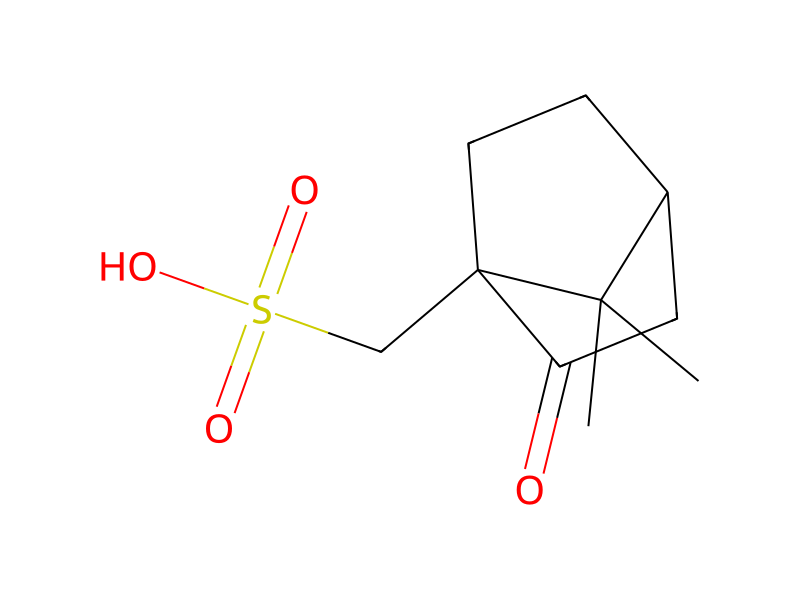
[Br:1][C:2]1[C:3]([Cl:18])=[N:4][CH:5]=[C:6]([CH:17]=1)[C:7]([NH:9][C@@H:10]([CH2:15][OH:16])[CH2:11][CH:12]([CH3:14])[CH3:13])=[O:8].CO[C:21](OC)([CH3:23])[CH3:22]>C12(CS(O)(=O)=O)C(C)(C)C(CC1)CC2=O.C(N(CC)CC)C>[Br:1][C:2]1[CH:17]=[C:6]([C:7]([N:9]2[C@H:10]([CH2:11][CH:12]([CH3:14])[CH3:13])[CH2:15][O:16][C:21]2([CH3:23])[CH3:22])=[O:8])[CH:5]=[N:4][C:3]=1[Cl:18]Participants
5
Reactant 2


Product 1

Reagents, catalysts & solvents 2

Conditions
- Temperature
- 60 °C
Procedure
5-Bromo-6-chloro-N—((R)-1-hydroxymethyl-3-methyl-butyl)-nicotinamide (2.6 g, 8.0 mmol) was dissolved in 2,2-dimethoxypropane (25 mL, 200 mmol). To the solution was added camphorsulfonic acid (19 mg, 0.08 mmol) and the reaction mixture was stirred for 24 h at 60° C. After cooling drops of triethylamine were added and the solvent was evaporated in vacuo. The residue was purified by column chromatography on silica (cyclohexane/ethyl acetate gradient) to yield 2.0 g of the title compound as light yellow oil.
Workup
- additionwere added
- customthe solvent was evaporated in vacuo
- customThe residue was purified by column chromatography on silica (cyclohexane/ethyl acetate gradient)
Sources & evidence
- ORD record
- ord-fb7772f0c4c641e28e21670aeef71606
- Source dataset
- uspto-grants-2010_10
- Patent number
- US07812028B2
Reaction notes
Loading…