Triethylamine → 2-Chloro-6-propylimidazo[1,2-b]pyridazine-3-sulfonyl chloride
Reaction equation

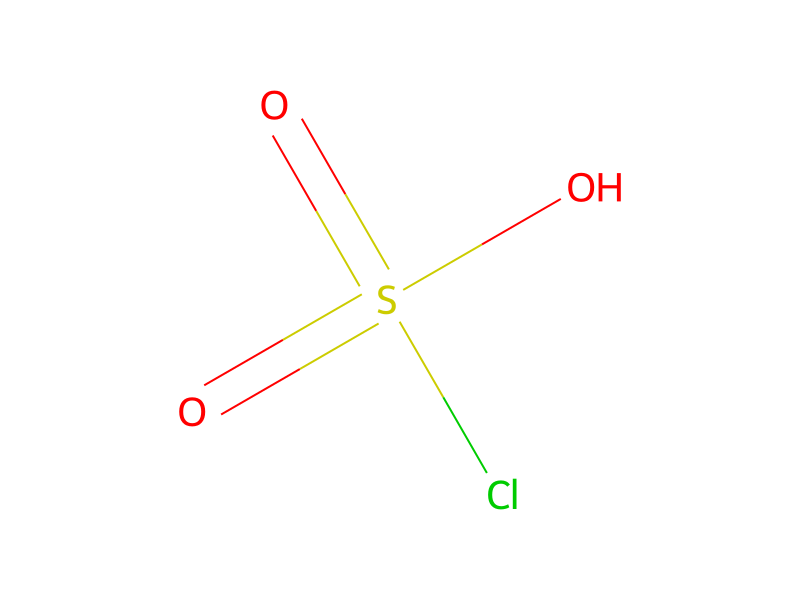
[Cl:1][C:2]1[N:3]=[C:4]2[CH:9]=[CH:8][C:7]([CH2:10][CH2:11][CH3:12])=[N:6][N:5]2[CH:13]=1.[Cl:14][S:15](O)(=[O:17])=[O:16].C(N(CC)CC)C.P(Cl)(Cl)(Cl)=O>ClCCCl.O>[Cl:1][C:2]1[N:3]=[C:4]2[CH:9]=[CH:8][C:7]([CH2:10][CH2:11][CH3:12])=[N:6][N:5]2[C:13]=1[S:15]([Cl:14])(=[O:17])=[O:16]Participants
Reactant 4



Product 1

Reagents, catalysts & solvents 2


Procedure
2-Chloro-6-n-propylimidazo[1,2-b]pyridazine (5.00 g, 25.6 mmol) was dissolved in 1,2-dichloroethane (30.0 ml), and chlorosulfonic acid (3.40 ml, 51.1 mmol) was added to the solution at room temperature. The mixture was heated for 8.5 hours under reflux, and then cooled to room temperature, and triethylamine (7.84 ml, 56.2 mmol) and phosphorus oxychloride (5.24 ml, 56.2 mmol) were added thereto and heated for 4 hours under reflux. Cold water was added to the reaction mixture which was then extracted with chloroform. The extracts were combined, dried over anhydrous magnesium sulfate, filtered and concentrated. The concentrated residues were purified by silica gel column chromatography (ethyl acetate:hexane=3:7) to give the title compound as pale yellow crystals. The yield was 7.40 g (98.4%).
Workup
- temperatureThe mixture was heated for 8.5 hours
- temperatureunder reflux
- temperatureheated for 4 hours
- temperatureunder reflux
- extractionwas then extracted with chloroform
- dry with materialdried over anhydrous magnesium sulfate
- filtrationfiltered
- concentrationconcentrated
- customThe concentrated residues were purified by silica gel column chromatography (ethyl acetate:hexane=3:7)
Sources & evidence
- ORD record
- ord-2da751994763486a944bf1e666f8bb92
- Source dataset
- uspto-grants-2010_10
- Patent number
- US07816526B2
Reaction notes
Loading…