Pyridine → HCID 58136204, compound
Reaction equation

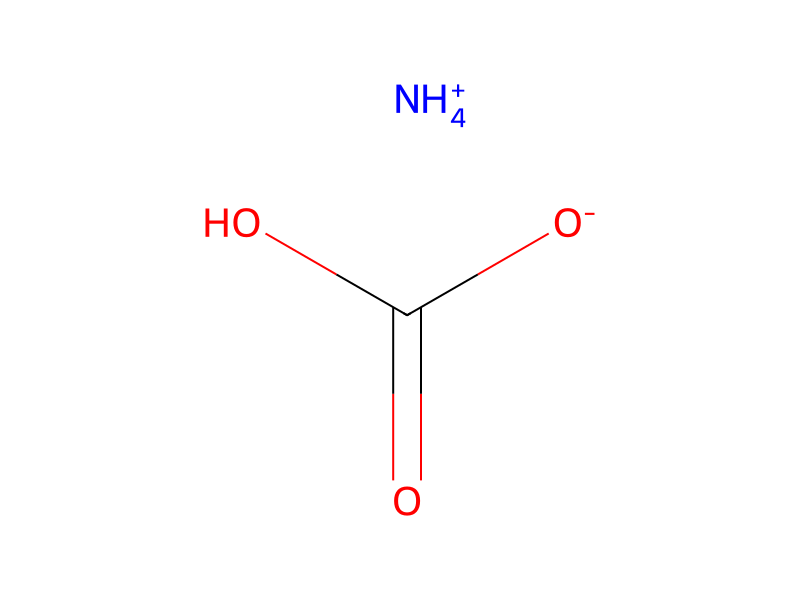
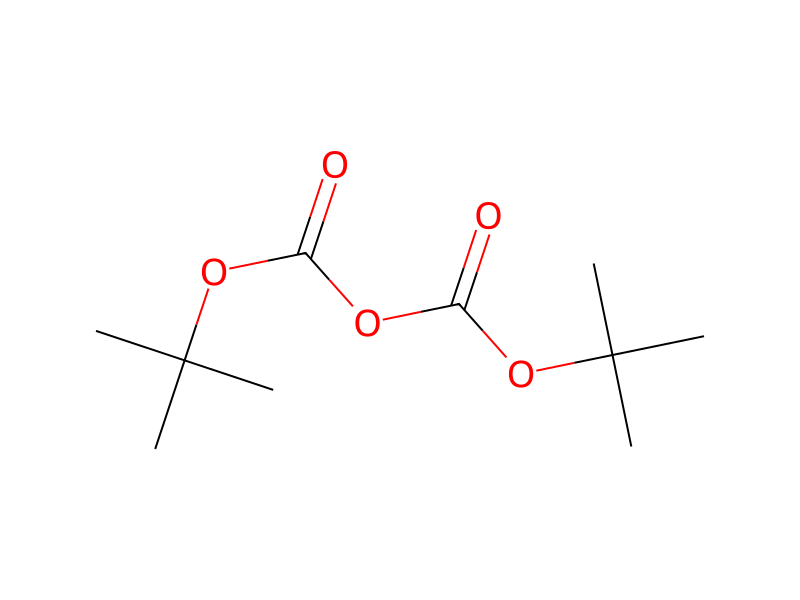
[CH2:1]([O:8][C:9]([N:11]1[CH2:18][C@@H:17]([F:19])[CH2:16][C@H:12]1[C:13](O)=[O:14])=[O:10])[C:2]1[CH:7]=[CH:6][CH:5]=[CH:4][CH:3]=1.[N:20]1C=CC=CC=1.CC(OC(OC(OC(C)(C)C)=O)=O)(C)C.C(=O)(O)[O-].[NH4+]>O1CCOCC1>[CH2:1]([O:8][C:9]([N:11]1[CH2:18][C@@H:17]([F:19])[CH2:16][C@H:12]1[C:13]([NH2:20])=[O:14])=[O:10])[C:2]1[CH:7]=[CH:6][CH:5]=[CH:4][CH:3]=1Participants
6
Reactant 4


Product 1

Reagents, catalysts & solvents 1

Procedure
A stirred solution of (4S)-1-[(Benzyloxy)carbonyl]-4-fluoro-L-proline in dioxane was treated with pyridine (0.7 eq.) and Boc2O (1.3 eq.), then ammonium bicarbonate (1.26 eq.) was added and the mixture was stirred at room temperature for 15 hours. Dioxane was concentrated and the residue was taken up in ethyl acetate, washed with 1 N HCl and brine, dried over Na2SO4 to give, after filtration and concentration, title compound.
Workup
- concentrationDioxane was concentrated
- washwashed with 1 N HCl and brine
- dry with materialdried over Na2SO4
- customto give
- filtrationafter filtration and concentration, title compound
Sources & evidence
- ORD record
- ord-0acffb2e24d5473bb23f9bd758dc271c
- Source dataset
- uspto-grants-2010_10
- Patent number
- US07820660B2
Reaction notes
Loading…