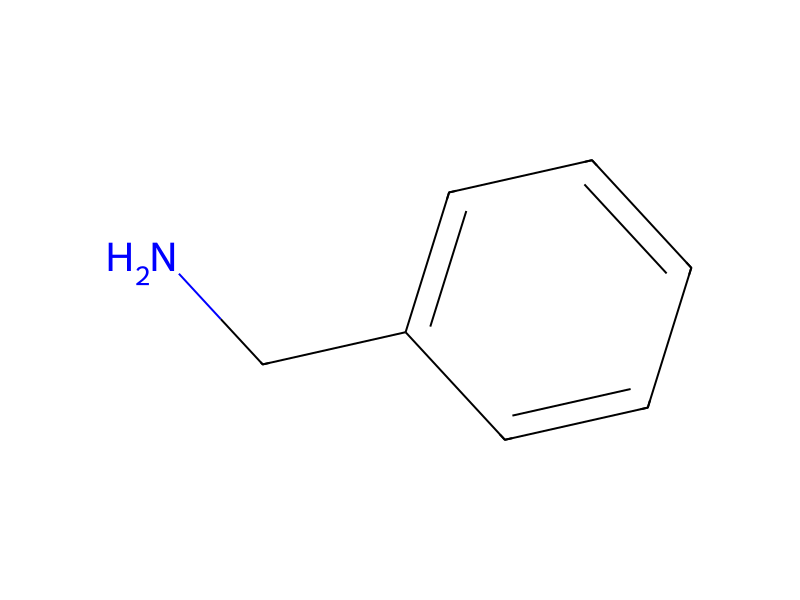
Benzylamine → 2-(3-formyl-1H-indol-1-yl)acetic acid
Reaction equation

C(N=[C:5]=[N:6][CH:7]([CH3:9])[CH3:8])(C)C.C(N(CC)[CH:14]([CH3:16])[CH3:15])(C)C.ON1[C:24]2C=CC=[CH:28][C:23]=2N=N1.C(N)C1C=CC=CC=1.C([BH3-])#N.[Na+].[C:41]([O:44]C(=O)C)(=[O:43])C.C(N(CC)CC)C.C(O)(C(F)(F)F)=[O:56].C(Cl)Cl>CN(C=O)C.C(Cl)Cl.C([O-])(=O)C>[CH:28]([C:23]1[C:8]2[C:7](=[CH:9][CH:16]=[CH:14][CH:15]=2)[N:6]([CH2:5][C:41]([OH:44])=[O:43])[CH:24]=1)=[O:56]Participants
Reactant 7






Product 1

Reagents, catalysts & solvents 2

Procedure
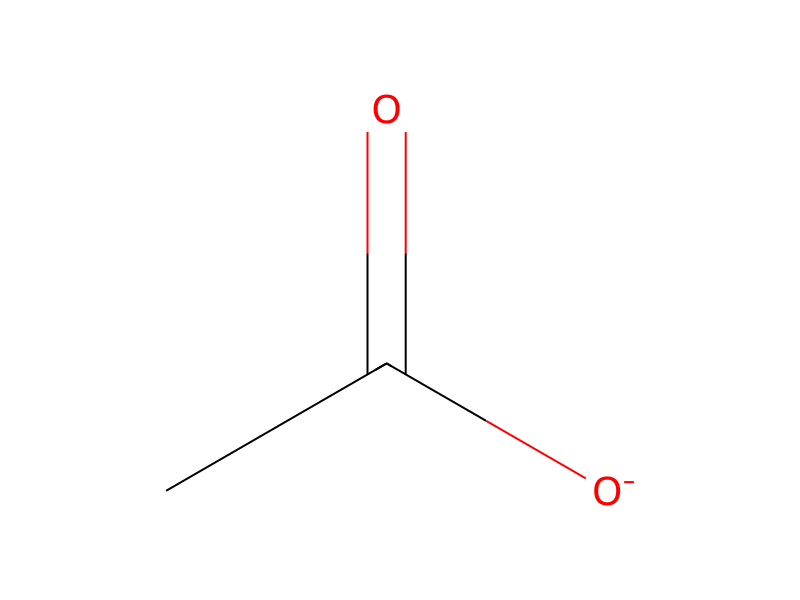
3-Formylindol-1-ylacetic acid was prepared and coupled to the beads above according to the process of EP 0 801 083 A2 (Estep et al.) using diisopropyl carbodiimide, N,N-diisopropylethylamine, and N-hydroxybenzotriazole in DMF/CH2Cl2. Benzylamine was reductively coupled to this bead-linker using sodium cyanoborohydride in 0.5M acetate buffer, pH 5, by the procedure in the same document. The product was then acetylated using acetic anhydride/triethylamine. The acetylated amine was released from the resin by treatment with 50% TFA/CH2Cl2 for 4 hours. The filtrate was evaporated to dryness and the residue evaluated by NMR and mass spectroscopy to show that the major product was N-benzylacetamide. This example demonstrates the feasibility of conducting solid phase synthesis using azlactone-functionalized beads.
Workup
- customThe filtrate was evaporated to dryness
- customsolid phase synthesis
Sources & evidence
- ORD record
- ord-45d2d54a1e6843298127398bdf4de6a0
- Source dataset
- uspto-grants-2010_10
- Patent number
- US07820785B2
Reaction notes
Loading…