Catechol → HCID 20512797, compound
Reaction equation

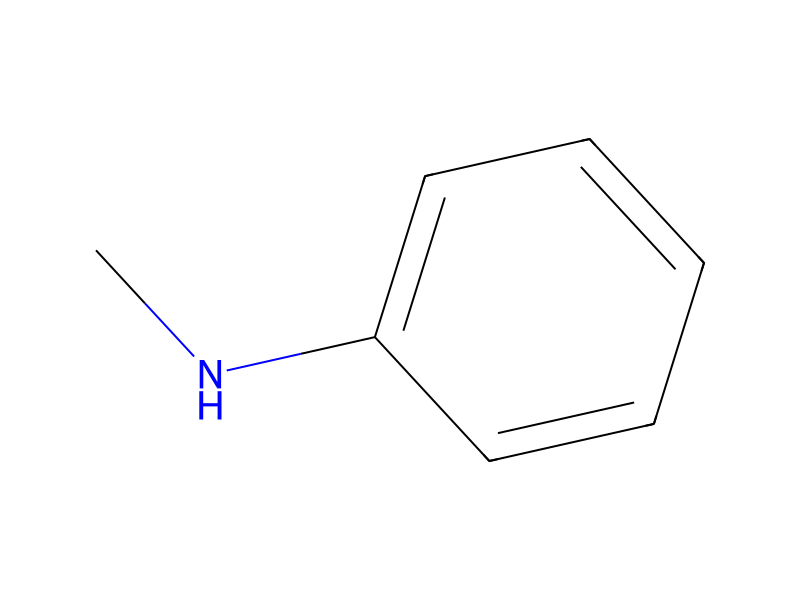
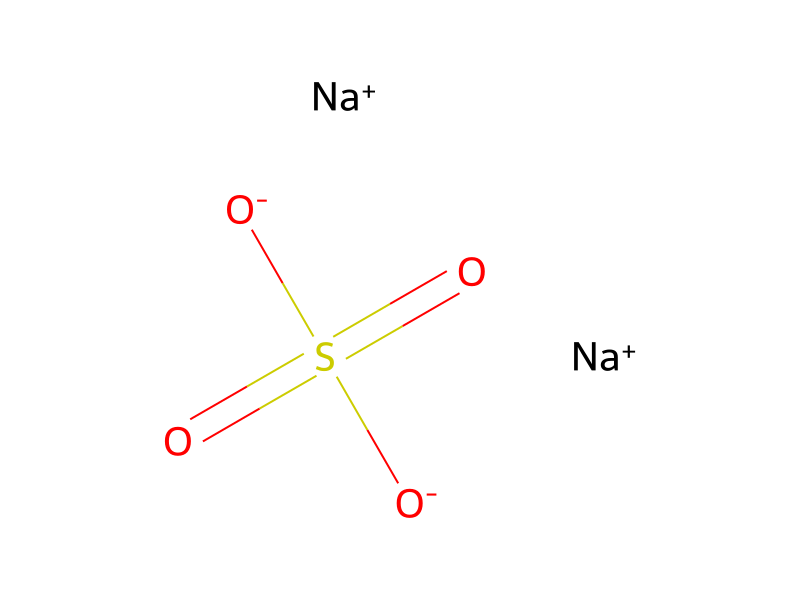
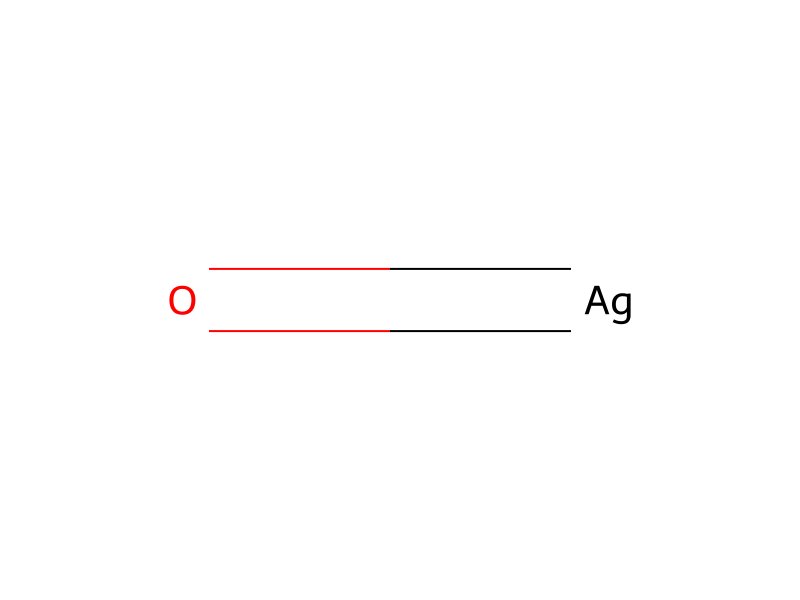
[C:1]1([C:3](=[CH:5][CH:6]=[CH:7][CH:8]=1)[OH:4])[OH:2].[CH3:9][NH:10][C:11]1[CH:16]=[CH:15][CH:14]=[CH:13][CH:12]=1.S([O-])([O-])(=O)=O.[Na+].[Na+]>CC(C)=O.[Ag]=O>[CH3:9][N:10]([C:6]1[CH:7]=[CH:8][C:1](=[O:2])[C:3](=[O:4])[CH:5]=1)[C:11]1[CH:16]=[CH:15][CH:14]=[CH:13][CH:12]=1Participants
6
Reactant 3

Product 1

Reagents, catalysts & solvents 2

Procedure
2.2 g (0.02 mole) catechol and 2.0 g (0.019 mole) N-methylaniline were dissolved in 80 ml acetone. Then 18.8 g (0.08 mole) silver oxide was added followed by 20 g anhydrous sodium sulfate. The mixture was stirred at room temperature for 10 minutes and filtered. The residue was washed with several portions of acetone totaling 50 ml. The filtrate was diluted with ligroin (bp 60°-80° C.) and the solid was filtered and washed with ligroin to give 2.6 g (60%). Thin-layer chromatography on Eastman chromogram silica gel sheets showed essentially a single spot with traces of impurities.
Workup
- filtrationfiltered
- washThe residue was washed with several portions of acetone totaling 50 ml
- additionThe filtrate was diluted with ligroin (bp 60°-80° C.)
- filtrationthe solid was filtered
- washwashed with ligroin
- customto give 2.6 g (60%)
Sources & evidence
- ORD record
- ord-e3fc38a7e3554b64be33ea236847fe19
- Source dataset
- uspto-grants-1983_01
- Patent number
- US04368249
Reaction notes
Loading…