Hydrochloric Acid → HCID 13881506, compound
Reaction equation

[CH3:1][C:2]1[CH:7]=[CH:6][CH:5]=[C:4]([CH3:8])[C:3]=1[NH:9][CH2:10][CH2:11][CH:12]([NH:14][C:15]1[C:20]([CH3:21])=[CH:19][CH:18]=[CH:17][C:16]=1[CH3:22])[CH3:13].CC1C=CC=C(C)[C:25]=1[NH2:26].BrCCC(Br)C.Cl>>[CH3:1][C:2]1[CH:7]=[CH:6][CH:5]=[C:4]([CH3:8])[C:3]=1[N:9]1[CH2:10][CH2:11][CH:12]([CH3:13])[N:14]([C:15]2[C:20]([CH3:21])=[CH:19][CH:18]=[CH:17][C:16]=2[CH3:22])[C:25]1=[NH:26]Participants
5



Procedure
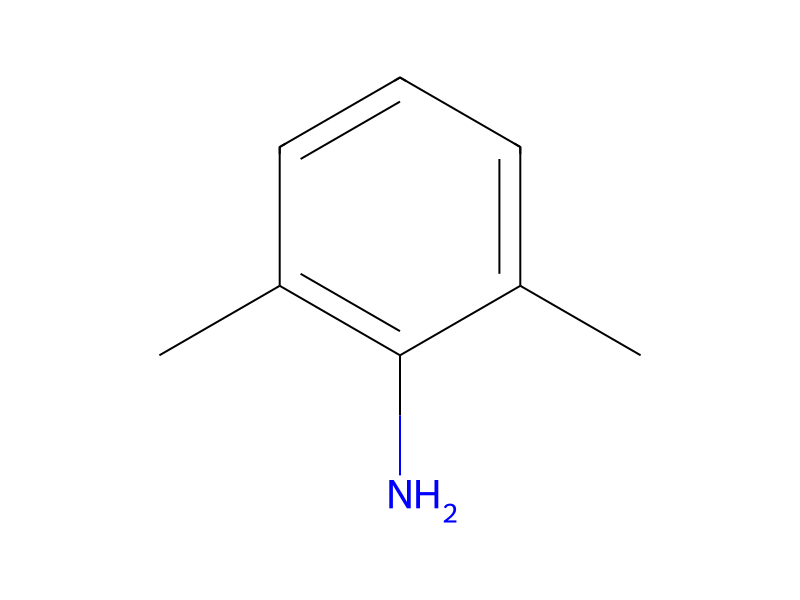
1,3-Bis(2',6'-dimethylphenyl-amino)-butane, applied as starting substance, can be prepared e.g. by the method of Shapiro et al. (loc. cit.), utilizing 2,6-dimethylaniline and 1,3-dibromobutane as starting materials. The free base boils at 159°-160° C./0.1 mm Hg, and the hydrochloride melts at 178°-180° C. Yield: 45.6%.
Workup
- customcan be prepared e.g. by the method of Shapiro et al. (loc. cit.)
Sources & evidence
- ORD record
- ord-cf6897643a9d41da8702d0daf9b101cc
- Source dataset
- uspto-grants-1983_01
- Patent number
- US04369325
Reaction notes
Loading…