O-Phenylenediamine → Coumarin 7
Reaction equation

[C:1]1([NH2:8])[CH:6]=[CH:5][CH:4]=[CH:3][C:2]=1[NH2:7].[CH2:9]1[CH2:29][N:28]2[C:12]3[C:13](C[CH2:26][CH2:27]2)=[C:14]2[O:21][C:19](=[O:20])[C:18]([C:22](O)=O)=[CH:17][C:15]2=[CH:16][C:11]=3C1.S(OS(C(F)(F)F)(=O)=O)(C(F)(F)F)(=O)=O.C1(P(=O)(C2C=CC=CC=2)C2C=CC=CC=2)C=CC=CC=1>C(Cl)Cl>[CH3:9][CH2:29][N:28]([C:12]1[CH:11]=[CH:16][C:15]2[CH:17]=[C:18]([C:22]3[NH:8][C:1]4[C:2](=[CH:3][CH:4]=[CH:5][CH:6]=4)[N:7]=3)[C:19]([O:21][C:14]=2[CH:13]=1)=[O:20])[CH2:27][CH3:26]Participants
Reactant 4
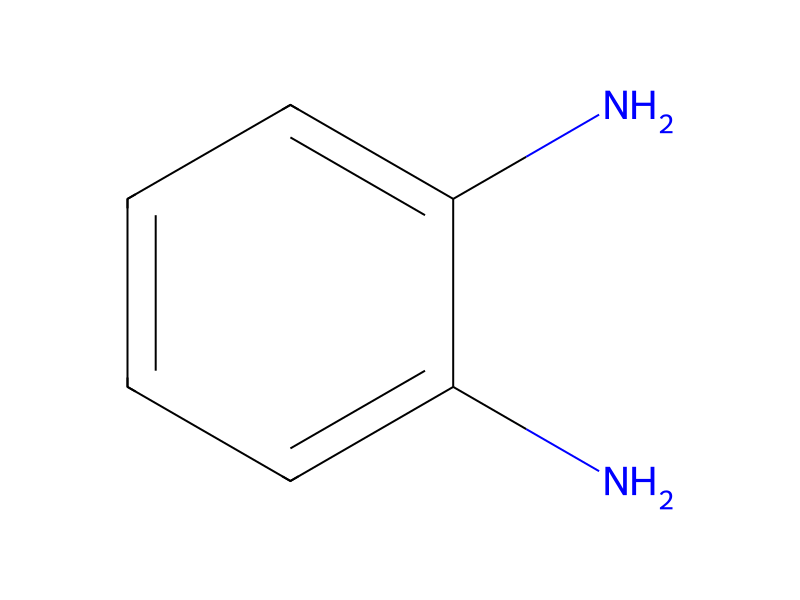
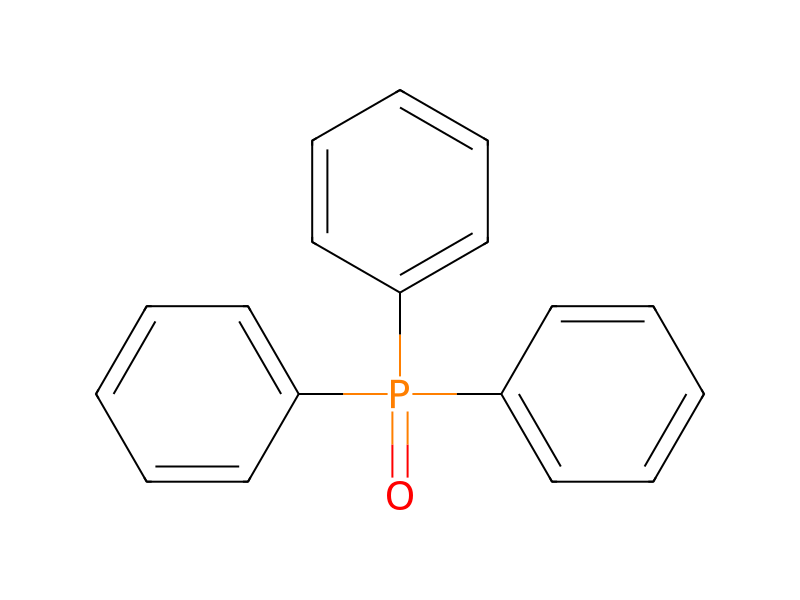


Product 1

Reagents, catalysts & solvents 1

Procedure
The diphenyl analog of coumarin 7 was prepared by the dehydration/condensation (J. B. Hendrickson, M. S. Hussoin, J. Org. Chem. 1987, 52, 4139-4140) of o-phenylenediamine with the diphenyl analog of coumarin 343. A solution of 7.9 ml of triflic anhydride in 150 ml methylene chloride was added to a solution of 26.16 g triphenylphosphine oxide in 150 ml methylene chloride at 0° C. under nitrogen atmosphere. The resulting mixture was allowed to come to room temperature and a solution of 2.54 g o-phenylenediamine and 7 g diphenyl analog of coumarin 343 prepared according to the method of Example 2 in 80 ml methylene chloride was added dropwise. The slurry was stirred overnight. The reaction mixture was washed with 5% sodium bicarbonate, water and brine, dried of magnesium sulfate, filtered, and rotary evaporated to remove the solvent. The product was isolated by flash column chromatography in methylene chloride.
Workup
- customto come to room temperature
- additionwas added dropwise
- washThe reaction mixture was washed with 5% sodium bicarbonate, water and brine
- dry with materialdried of magnesium sulfate
- filtrationfiltered
- customrotary evaporated
- customto remove the solvent
- customThe product was isolated by flash column chromatography in methylene chloride
Sources & evidence
- ORD record
- ord-c4ff997672184e2085202e184ed8988d
- Source dataset
- uspto-grants-2003_09
- Patent number
- US06627111B2
Reaction notes
Loading…