2-Fluoropyridine → 2-((4-Bromobenzyl)oxy)pyridine
Reaction equation

F[C:2]1[CH:7]=[CH:6][CH:5]=[CH:4][N:3]=1.[Br:8][C:9]1[CH:16]=[CH:15][C:12]([CH2:13][OH:14])=[CH:11][CH:10]=1.CC(C)([O-])C.[K+].CN1CCCC1=O>O>[Br:8][C:9]1[CH:16]=[CH:15][C:12]([CH2:13][O:14][C:2]2[CH:7]=[CH:6][CH:5]=[CH:4][N:3]=2)=[CH:11][CH:10]=1Participants
6
Reactant 4


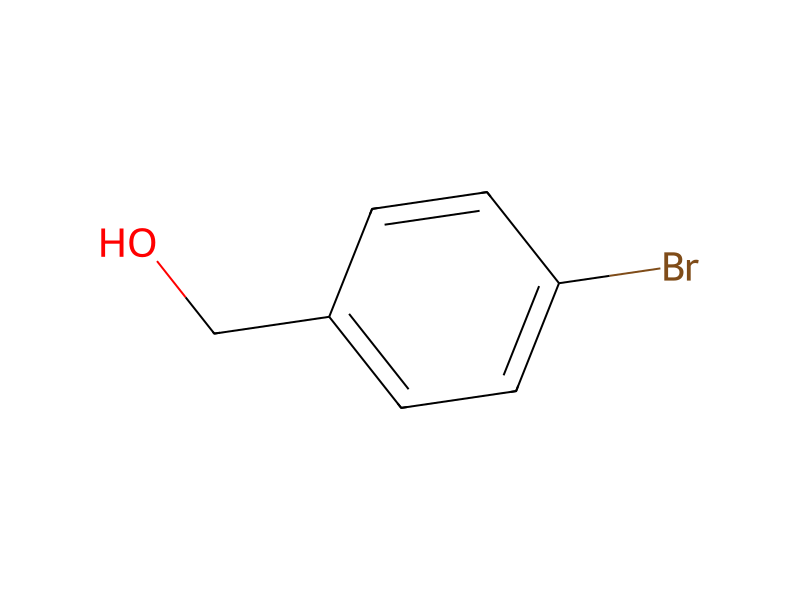

Product 1

Reagents, catalysts & solvents 1

Conditions
- Temperature
- 100 °C
Procedure
A mixture of 2-fluoropyridine (1.6 g), 4-bromobenzyl alcohol (3.08 g), potassium tert-butoxide (2.03 g) and N-methylpyrrolidone (12.8 ml) was heated at 100° C. by microwave irradiation for one minute. The mixture was diluted with water and extracted with ethyl acetate. The organic phase was dried over magnesium sulfate, filtered and concentrated. 2-(4-Bromobenzyloxy)pyridine was obtained in this way.
Workup
- extractionextracted with ethyl acetate
- dry with materialThe organic phase was dried over magnesium sulfate
- filtrationfiltered
- concentrationconcentrated
Sources & evidence
- ORD record
- ord-d45e013231954f7693c80ae667f949a7
- Source dataset
- uspto-grants-2010_11
- Patent number
- US07838547B2
Reaction notes
Loading…