Acetic Acid → 4-Cyanobenzoic acid
Reaction equation

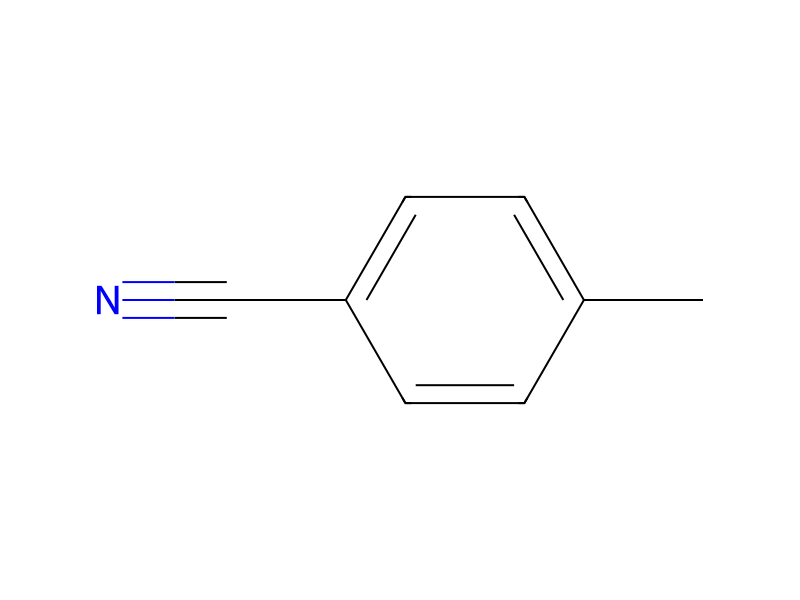
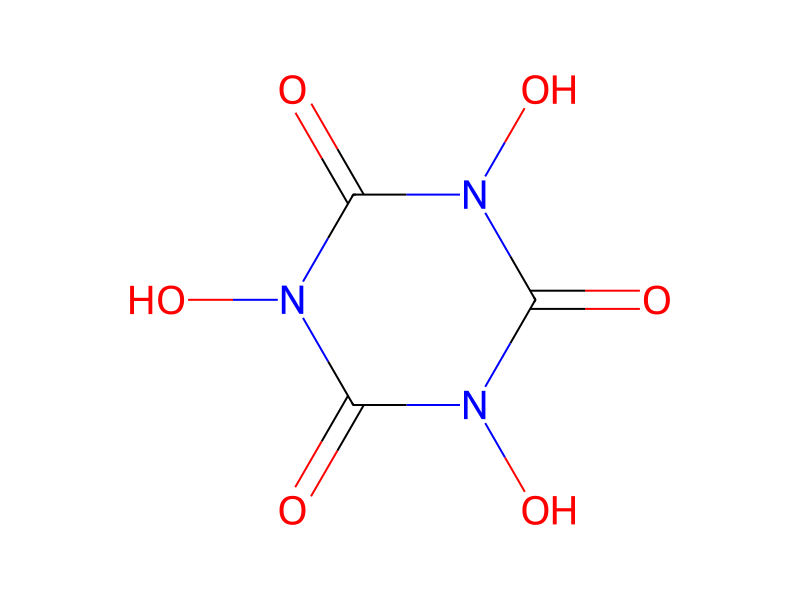
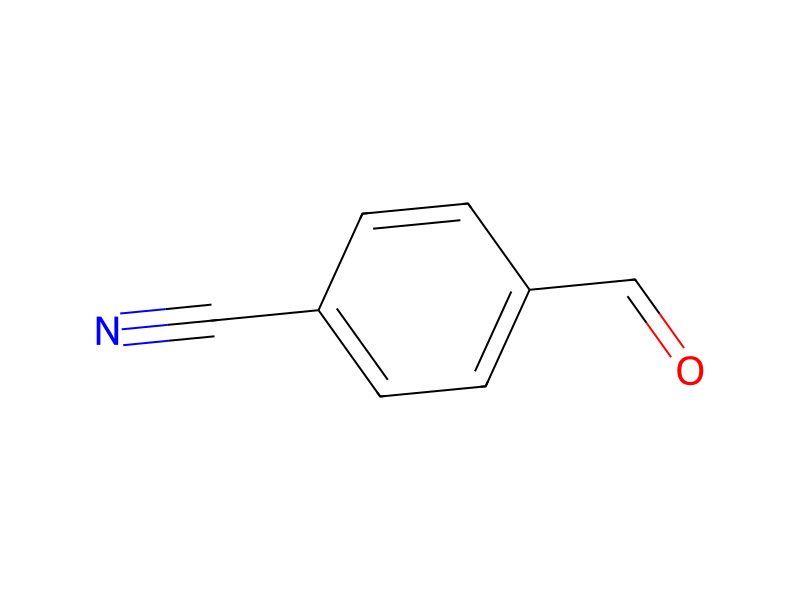
[C:1]1([CH3:9])[CH:6]=[CH:5][C:4]([C:7]#[N:8])=[CH:3][CH:2]=1.[OH:10]N1C(=O)N(O)C(=O)N(O)C1=O.[C:22]([OH:25])(=[O:24])[CH3:23].O=O>C([O-])(=O)C.[Co+2].C([O-])(=O)C.O>[C:7]([C:4]1[CH:5]=[CH:6][C:23]([C:22]([OH:25])=[O:24])=[CH:2][CH:3]=1)#[N:8].[C:7]([C:4]1[CH:5]=[CH:6][C:1]([CH:9]=[O:10])=[CH:2][CH:3]=1)#[N:8]Participants
8





Procedure
A mixture of 0.351 g of p-tolunitrile, 0.005 g of hexahydro-1,3,5-trihydroxy-1,3,5-triazine-2,4,6-trione (1% by mole relative to p-tolunitrile), 5 g of acetic acid and 0.004 g of cobalt(II) acetate.4 H2O was stirred at 100° C. in an atmosphere of oxygene gas (1 atm=0.1 MPa) for 14 hours. The resulting product in the reaction mixture was analyzed by gas chromatography and was found to yield 4-cyanobenzoic acid and 4-cyanobenzaldehyde in 74% and 1% yields, respectively, at 81% conversion of p-tolunitrile.
Sources & evidence
- ORD record
- ord-9be09ed2220b4b4b810c78380686a65c
- Source dataset
- uspto-grants-2007_10
- Patent number
- US07288649B2
Reaction notes
Loading…