Ethanol → Benzyl Alcohol
Reaction equation

[CH3:1][OH:2].[CH2:3]([OH:5])[CH3:4].[CH2:6]([OH:9])[CH2:7][CH3:8].O[CH2:11][CH:12]([CH2:14]O)O>>[CH2:3]([OH:5])[CH2:4][CH2:8][CH2:7][CH2:6][CH2:11][CH3:12].[CH2:6]([OH:9])[CH2:7][CH2:8][CH2:11][CH2:12][CH3:14].[CH2:1]([OH:2])[C:7]1[CH:8]=[CH:14][CH:12]=[CH:11][CH:6]=1Participants

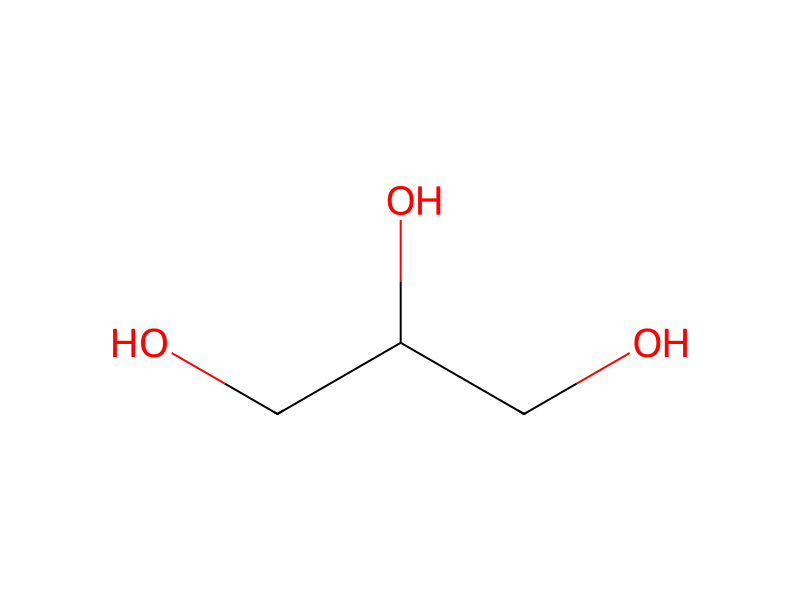




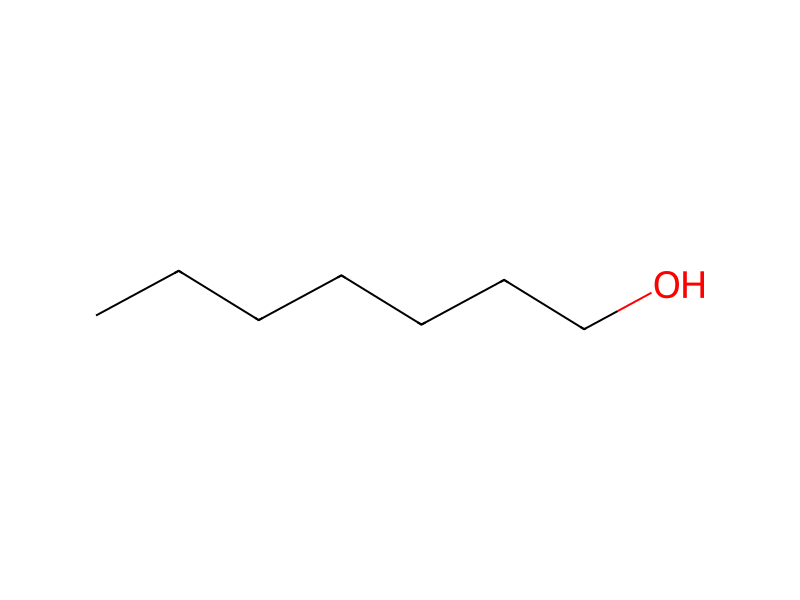
Procedure
A compound which has a boiling point of 60° C. or less at one atmospheric pressure and which contains one or more carboxylic acid ester groups is mentioned as the above-mentioned carboxylic acid esters. The total number of carbons in the carboxylic acid ester is preferably 1 to 12. The following carboxylic acid esters are preferable: (1) carboxylic acid ester obtained from the above-mentioned alcohol and carboxylic acid; (2) carboxylic acid esters obtained in combination of the above-mentioned carboxylic acid with an alcohol Containing 1 to 7 carbon atoms such as methanol, ethanol, propanol, heptanol, hexanol, glycerine, and benzyl alcohol; (3) carboxylic acid eaters obtained in combination of the above-mentioned alcohol with a carboxylic acid containing 1 to 18 carbon atoms such as acetic acid, propionic acid, hexanoic acid, and butanoic acid. These may be used singly or in combination of two or more species of them.
Sources & evidence
- ORD record
- ord-3434118310264237abfb4282ede10e08
- Source dataset
- uspto-grants-2014_03
- Patent number
- US08674038B2
Reaction notes
Loading…