Bromobenzene → Ethyl 3-phenylprop-2-enoate
Reaction equation

[I-].I[C:3]1[CH:8]=[CH:7][CH:6]=[CH:5][CH:4]=1.BrC1C=CC=CC=1.[C:16]([O:20][CH2:21][CH3:22])(=[O:19])[CH:17]=[CH2:18]>ClC1C=CC=CC=1>[C:16]([O:20][CH2:21][CH3:22])(=[O:19])[CH:17]=[CH:18][C:3]1[CH:8]=[CH:7][CH:6]=[CH:5][CH:4]=1Participants
6
Reactant 4
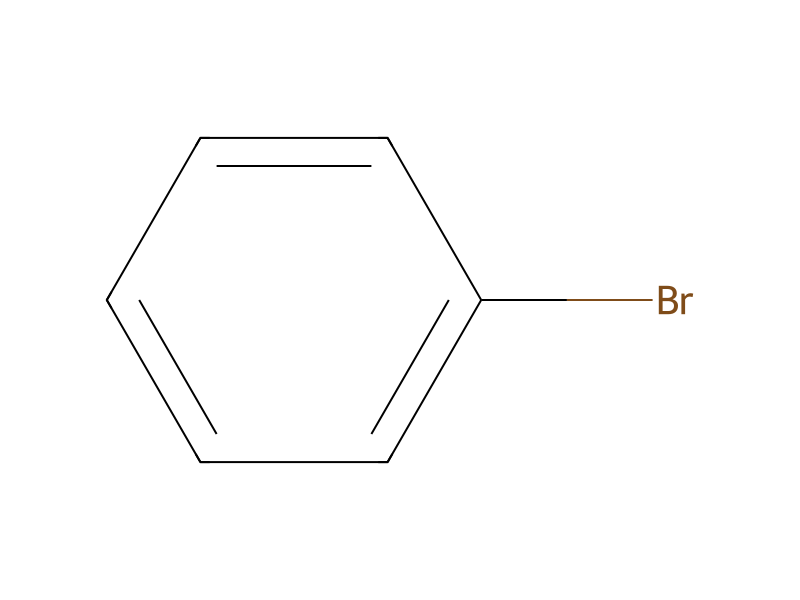

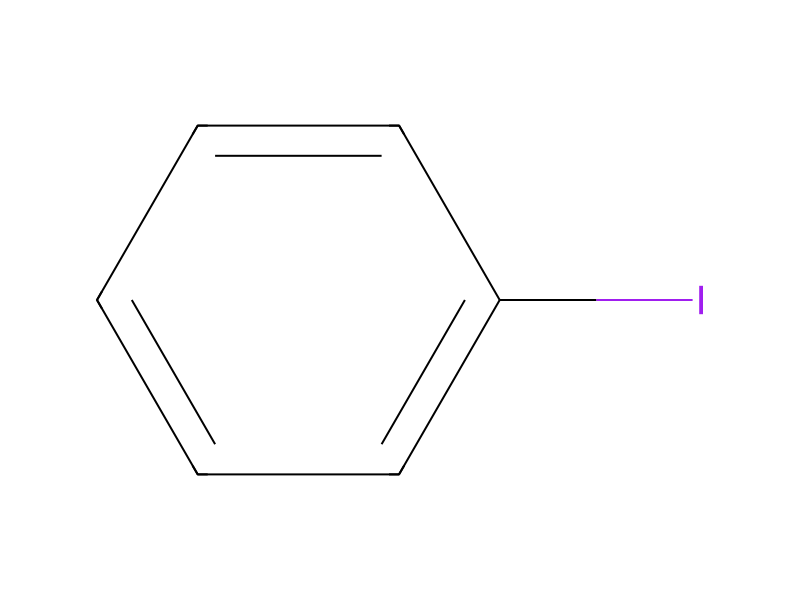

Product 1

Reagents, catalysts & solvents 1

Procedure
More specifically, we have found that chlorobenzene reacts with ethyl acrylate to form ethyl cinnamate in relatively high yield by reacting the chlorobenzene with iodide and/or bromide ion to form a mixture of chlorobenzene, iodobenzene and/or bromobenzene, then reacting the mixture with ethyl acrylate in the presence of a catalyst to form ethyl cinnamate.
Workup
- customin relatively high yield
- customto form
Sources & evidence
- ORD record
- ord-6f72a208a7344acea8fc457e2fec1a80
- Source dataset
- uspto-grants-1989_03
- Patent number
- US04814489
Reaction notes
Loading…