Hydrochloric Acid → HCID 54244847, compound
Reaction equation

[C:1]1([C:7]2([C:14]3[CH:19]=[CH:18][CH:17]=[CH:16][CH:15]=3)[CH2:12][CH2:11][C:10](=[O:13])[CH2:9][CH2:8]2)[CH:6]=[CH:5][CH:4]=[CH:3][CH:2]=1.C[C:21]([O-:24])(C)C.[K+].C(OCC)=O.Cl>C(O)(C)(C)C.O.C(OCC)(=O)C>[C:1]1([C:7]2([C:14]3[CH:19]=[CH:18][CH:17]=[CH:16][CH:15]=3)[CH2:8][CH2:9][C:10](=[O:13])[CH:11]([CH:21]=[O:24])[CH2:12]2)[CH:2]=[CH:3][CH:4]=[CH:5][CH:6]=1Participants







Conditions
- Temperature
- 50 °C
Procedure
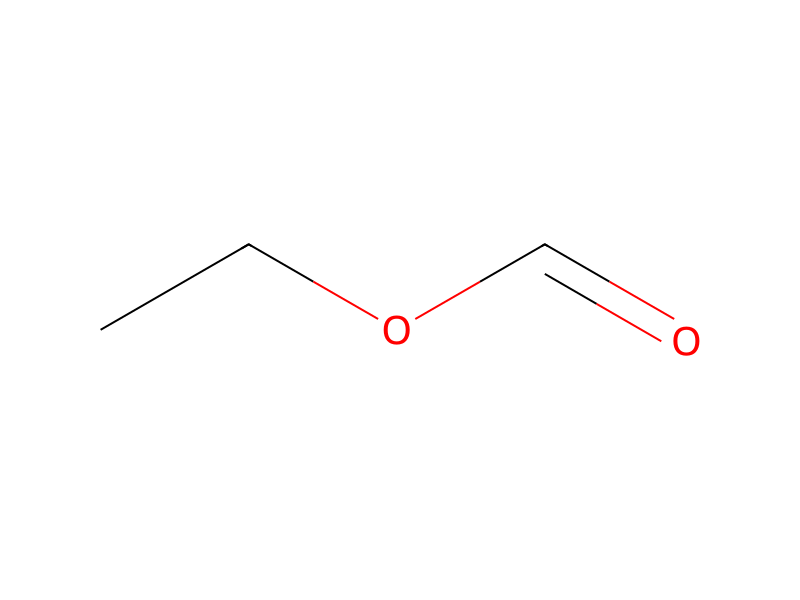
4,4-Diphenylcyclohexanone (40 g) is added to a solution of potassium tert-butylate (66.5 g) in tert-butanol (500 cc), and a solution of ethyl formate (47.6 cc) in tert-butanol (500 cc) is then added dropwise. The reaction mixture is stirred at 50° C. for 8 hours, then cooled and diluted with water (3000 cc) and ethyl acetate (750 cc) and acidified to pH 2 with 4N hydrochloric acid. The aqueous phase is extracted with ethyl acetate (2×250 cc) and the combined organic phases are washed with water (250 cc) and saturated sodium chloride solution (250 cc), then dried over magnesium sulphate and concentrated to dryness under reduced pressure (2.7 kPa). 4,4-Diphenyl-2-formylcyclohexanone (48 g) is obtained, and is used without purification for the next step of the synthesis.
Workup
- temperaturecooled
- extractionThe aqueous phase is extracted with ethyl acetate (2×250 cc)
- washthe combined organic phases are washed with water (250 cc) and saturated sodium chloride solution (250 cc)
- dry with materialdried over magnesium sulphate
- concentrationconcentrated to dryness under reduced pressure (2.7 kPa)
Sources & evidence
- ORD record
- ord-82e7a96350c84e6ab6bfa52f7acf00f3
- Source dataset
- uspto-grants-1992_05
- Patent number
- US05112988
Reaction notes
Loading…