Ammonia → HCID 19020738, compound
Reaction equation

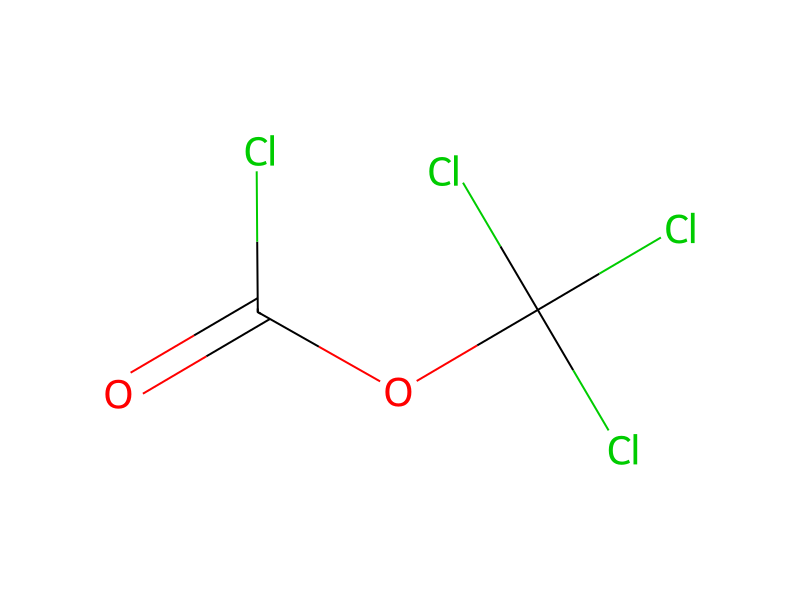
[Cl:1][C:2]1[CH:3]=[CH:4][C:5]2[O:9][N:8]([CH2:10][CH:11]([OH:14])[CH2:12][OH:13])[C:7](=[O:15])[C:6]=2[CH:16]=1.ClC([O:20][C:21](Cl)(Cl)Cl)=O.C([N:27](CC)CC)C.N>O1CCCC1>[C:21]([O:13][CH2:12][CH:11]([OH:14])[CH2:10][N:8]1[C:7](=[O:15])[C:6]2[CH:16]=[C:2]([Cl:1])[CH:3]=[CH:4][C:5]=2[O:9]1)(=[O:20])[NH2:27]Participants
Reactant 4



Product 1

Reagents, catalysts & solvents 1

Procedure
To a solution of 1.00 g of 5-chloro-2-(2,3-dihydroxypropyl)-1,2-benzoisoxazolin-3-one in tetrahydrofuran (20 ml) was added 0.40 g of trichloromethyl chloroformate and the mixture was stirred at room temperature. After 30 minutes, the reaction mixture was cooled to 5° C. followed by adding dropwise 0.42 g of triethylamine. After stirring at the same temperature for 30 minutes, 5.0 ml of a 28% ammonia solution was added. Furthermore, after stirring at room temperature for 2 hours, the reaction mixture was refluxed by heating for 3 hours followed by concentration under reduced pressure. The residue was dissolved in ethyl acetate (100 ml) and the solution was washed with a 10% NaCl solution. The organic layer was dried over anhydrous magnesium sulfate and the drying agent was removed by filtration. The solvent was distilled off under reduced pressure and the residue was purified by column chromatography (developing solvent: ethyl acetate) through silica gel to afford 0.75 g (64.1%) of the title compound having melting point 161°-162° C. as a colorless powder.
Workup
- temperaturethe reaction mixture was cooled to 5° C.
- stirringAfter stirring at the same temperature for 30 minutes
- stirringFurthermore, after stirring at room temperature for 2 hours
- temperaturethe reaction mixture was refluxed
- temperatureby heating for 3 hours
- concentrationfollowed by concentration under reduced pressure
- dissolutionThe residue was dissolved in ethyl acetate (100 ml)
- washthe solution was washed with a 10% NaCl solution
- dry with materialThe organic layer was dried over anhydrous magnesium sulfate
- customthe drying agent was removed by filtration
- distillationThe solvent was distilled off under reduced pressure
- customthe residue was purified by column chromatography (developing solvent: ethyl acetate) through silica gel
Sources & evidence
- ORD record
- ord-3b9a1dd2619a451588aae47913480f95
- Source dataset
- uspto-grants-1992_05
- Patent number
- US05116839
Reaction notes
Loading…