Hydrochloric Acid → 2-(4-Hydroxyanilino)benzoic acid
Reaction equation

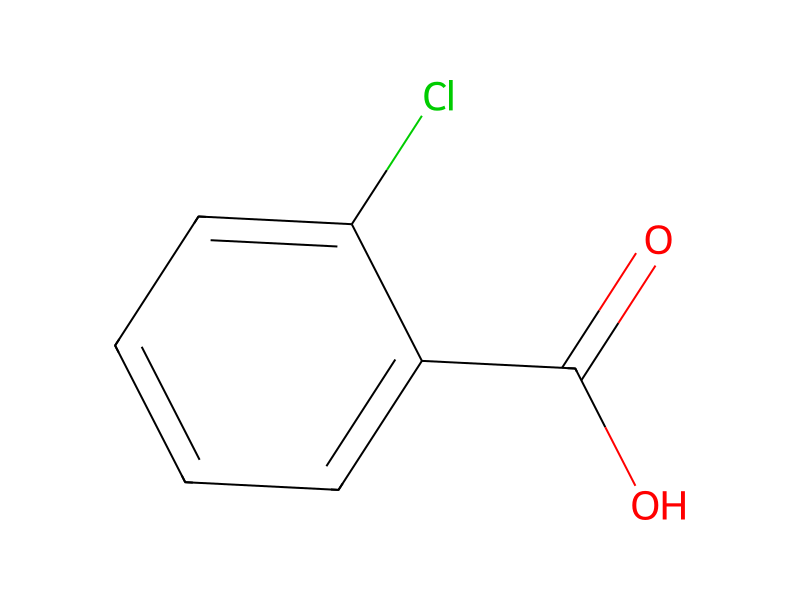
C([O:8][C:9]1[CH:14]=[CH:13][C:12]([NH:15][C:16]2[CH:24]=[CH:23][CH:22]=[CH:21][C:17]=2[C:18]([OH:20])=[O:19])=[CH:11][CH:10]=1)C1C=CC=CC=1.Cl.ClC1C=CC=CC=1C(O)=O.C(OC1C=CC(N)=CC=1)C1C=CC=CC=1>C(O)C.[Pd]>[OH:8][C:9]1[CH:14]=[CH:13][C:12]([NH:15][C:16]2[CH:24]=[CH:23][CH:22]=[CH:21][C:17]=2[C:18]([OH:20])=[O:19])=[CH:11][CH:10]=1Participants
7





Procedure
The corresponding free acid, 2-(4-hydroxyphenylamino)benzoic acid, yellow solid m.p. 233° C.(decompn.) was prepared by hydrogenation of 5 g of 2-(4-benzyloxyphenylamino)benzoic acid in 250 ml of ethanol containing 2 ml of concentrated hydrochloric acid and 2 g of palladium-on-carbon catalyst. The benzyloxy compound was in turn prepared by reaction of 2-chlorobenzoic acid and 4-benzyloxyaniline.
Sources & evidence
- ORD record
- ord-36fd7fb1d915456bb894590af75f5d44
- Source dataset
- uspto-grants-1986_12
- Patent number
- US04629735
Reaction notes
Loading…