Potassium Carbonate → 1-(4-Ethylpiperazin-1-yl)-3-(4-methoxyphenyl)isoquinoline
Reaction equation

Cl[C:2]1[C:11]2[C:6](=[CH:7][CH:8]=[CH:9][CH:10]=2)[CH:5]=[C:4]([C:12]2[CH:17]=[CH:16][C:15]([O:18][CH3:19])=[CH:14][CH:13]=2)[N:3]=1.[CH2:20]([N:22]1[CH2:27][CH2:26][NH:25][CH2:24][CH2:23]1)[CH3:21].C(=O)([O-])[O-].[K+].[K+]>CN(C)C=O>[CH2:20]([N:22]1[CH2:27][CH2:26][N:25]([C:2]2[C:11]3[C:6](=[CH:7][CH:8]=[CH:9][CH:10]=3)[CH:5]=[C:4]([C:12]3[CH:17]=[CH:16][C:15]([O:18][CH3:19])=[CH:14][CH:13]=3)[N:3]=2)[CH2:24][CH2:23]1)[CH3:21]Participants
5




Procedure
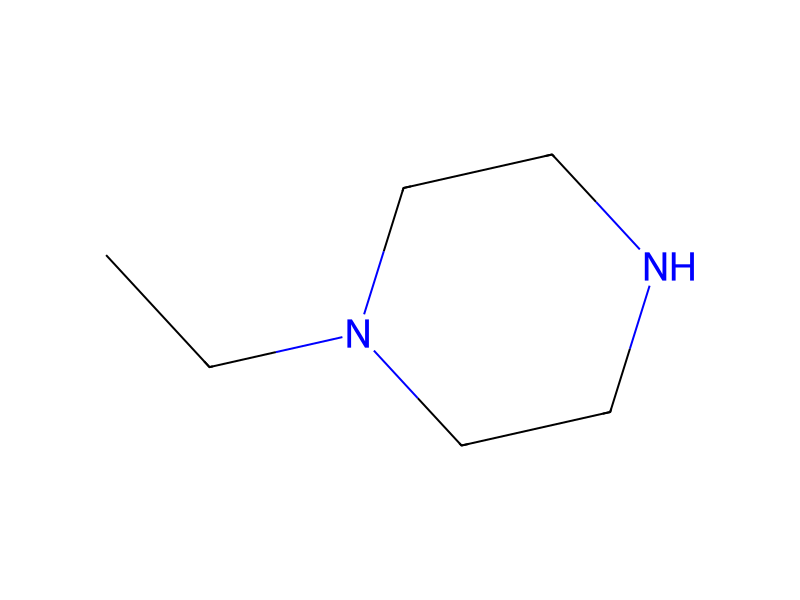
A mixture of 1-chloro-3-(4-methoxyphenyl)isoquinoline (0.89 g), N-ethylpiperazine (0.86 g) and potassium carbonate (1.10 g) was heated in dimethylformamide (20 ml) at 90° C. for 12 hr. The reaction mixture was evaporated, water was added to the resulting residue, and then it was extracted with ethyl acetate. The resulting organic layer was washed with water and brine, dried over magnesium sulfate, and then the solvent was removed. The resulting residue was purified by silica gel column chromatography (methylene chloride/methanol system), to give the title compound as a pale brown oil (1.02 g, yield; 88%).
Workup
- customThe reaction mixture was evaporated
- additionwater was added to the resulting residue
- extractionit was extracted with ethyl acetate
- washThe resulting organic layer was washed with water and brine
- dry with materialdried over magnesium sulfate
- customthe solvent was removed
- customThe resulting residue was purified by silica gel column chromatography (methylene chloride/methanol system)
Sources & evidence
- ORD record
- ord-acce9b414ef74251a089e51665fffc53
- Source dataset
- uspto-grants-2002_01
- Patent number
- US06340759B1
Reaction notes
Loading…