Toluene → L-lactide epsilon-caprolactone
Reaction equation

[C:1]1(=[O:8])[O:7][CH2:6][CH2:5][CH2:4][CH2:3][CH2:2]1.C(O)CCCCCCCCC.CCCCC(C([O-])=O)CC.CCCCC(C([O-])=O)CC.[Sn+2].C1(C)C=CC=CC=1.[CH3:48][C@@H:49]1[O:56][C:54](=[O:55])[C@H:53]([CH3:57])[O:52][C:50]1=[O:51]>>[CH3:48][C@@H:49]1[O:56][C:54](=[O:55])[C@H:53]([CH3:57])[O:52][C:50]1=[O:51].[C:1]1(=[O:8])[O:7][CH2:6][CH2:5][CH2:4][CH2:3][CH2:2]1Participants



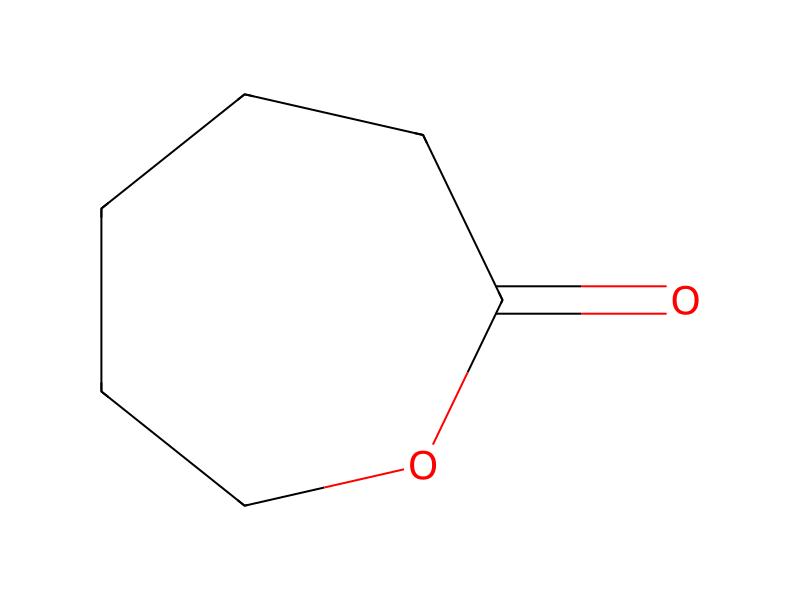
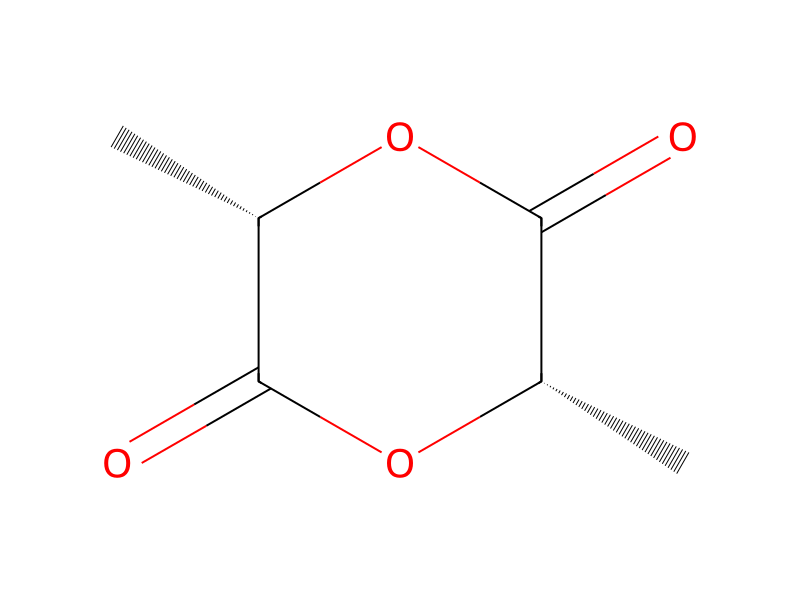
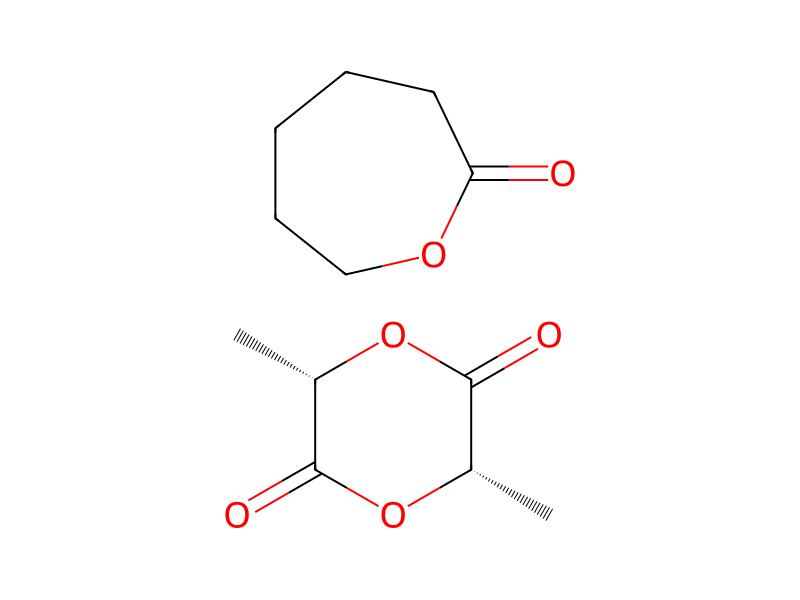
Conditions
- Temperature
- 135 °C
Procedure
Using a similar reaction and polymerization set-up as in Example 10, caprolactone (86.96 g, 0.7628 mole) is first polymerized in the presence of decyl alcohol (1.61 ml, 8.421×10−mole) and stannous octoate as 0.2M solution in toluene (2.11 ml., 4.21×10⁻⁴ mole) at 170° C. until 50% conversion is achieved (to be determined by a combination of NMR and GPC analysis in control runs). At this point, the temperature of the reaction mixture is lowered to 135° C. and l-lactide (1110.4 g, 7.7112 mole) is added. After the monomer melts, the temperature is maintained at 135° C. for 72 hours- the reaction mixture is stirred until it solidifies. At the conclusion of this period, the polymer is allowed to cool. The polymer is then isolated, ground, and purified as in Example 10. The anticipated inherent viscosity is about 1.55 dl/g.
Workup
- customis lowered to 135° C.
- temperatureto cool
- customThe polymer is then isolated
- customground, and purified as in Example 10
Sources & evidence
- ORD record
- ord-0d7e645398e44190862834cf82c5deeb
- Source dataset
- uspto-grants-2002_01
- Patent number
- US06342065B1
Reaction notes
Loading…