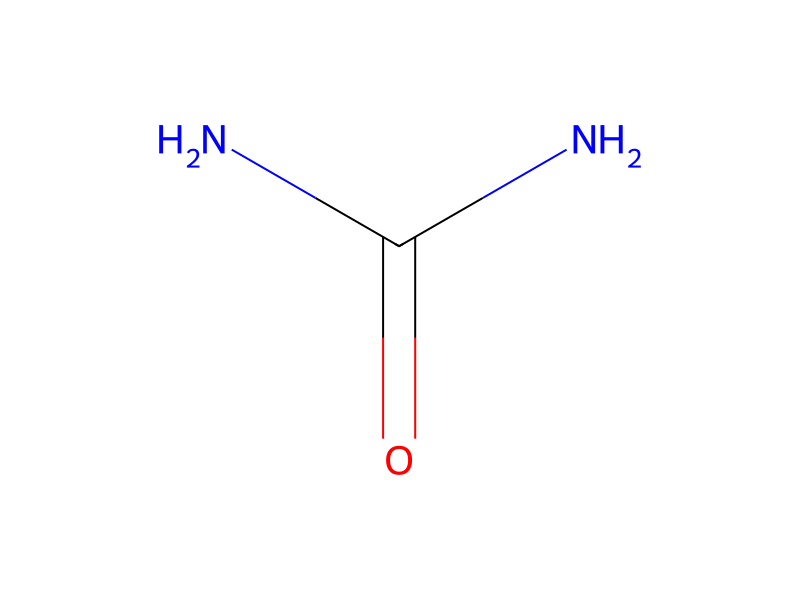
Urea → HCID 70506031, compound
Reaction equation

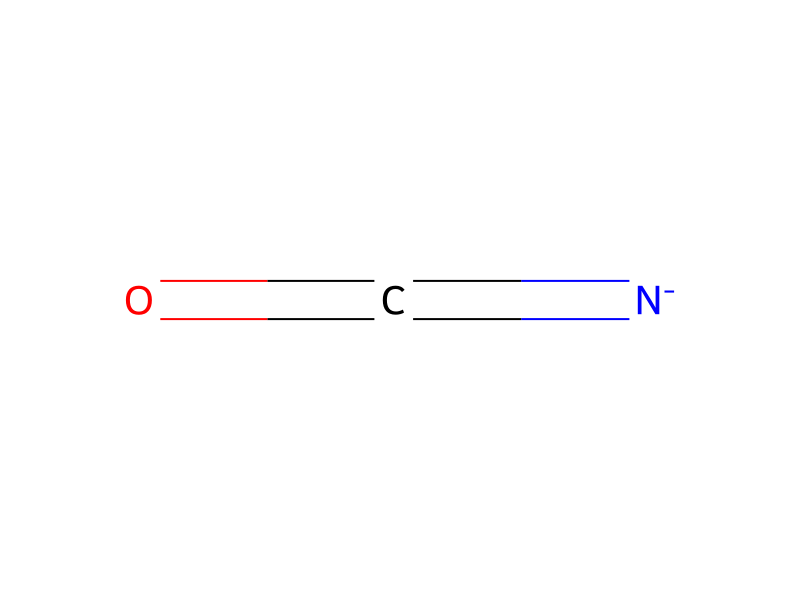
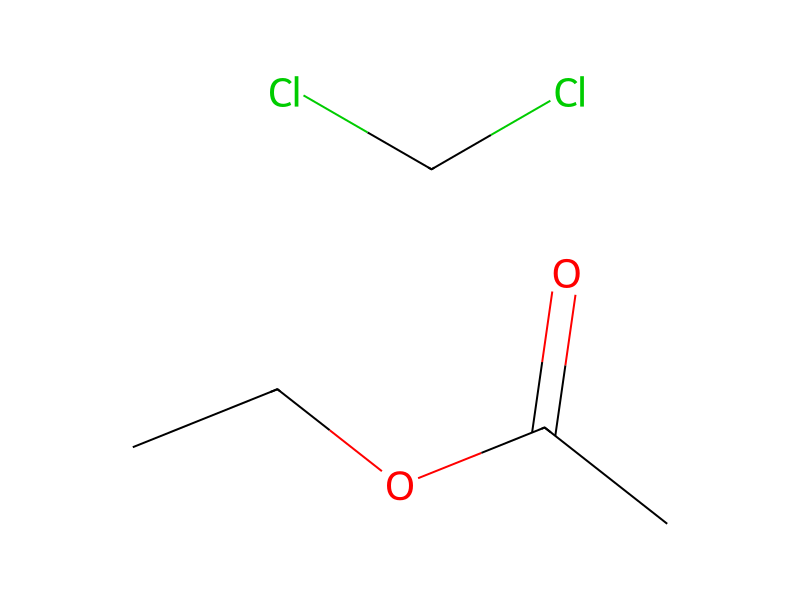
[CH2:1]([N:4]1[C@H:18]2[C:8]([C:9]3[CH:10]=[CH:11][CH:12]=[C:13]4[C:19]=3[C:16]([CH2:17]2)=[CH:15][NH:14]4)=[CH:7][C@H:6](C(N)=O)[CH2:5]1)[CH2:2][CH3:3].[C:23]([O-:26])(=O)C.[Pb+4].[C:28]([O-])(=O)[CH3:29].C([O-])(=O)C.C([O-])(=O)C.[N-:40]=C=O.[CH2:43]([NH:45]CC)[CH3:44].NC(N)=O>C(Cl)Cl.C(OCC)(=O)C>[CH2:1]([N:4]1[C@H:18]2[C:8]([C:9]3[CH:10]=[CH:11][CH:12]=[C:13]4[C:19]=3[C:16]([CH2:17]2)=[CH:15][NH:14]4)=[CH:7][C@H:6]([NH:40][C:23](=[O:26])[N:45]([CH2:28][CH3:29])[CH2:43][CH3:44])[CH2:5]1)[CH2:2][CH3:3]Participants
7



Procedure
Analogously to Example 1, 295 mg of 9,10-didehydro-6-n-propyl-8α-ergoline carboxylic acid amide is reacted with lead (IV) acetate to the isocyanate, which latter compound reacts with diethylamine to the corresponding urea. After the reaction mixture has been worked up, chromatography on aluminum oxide with methylene chloride-ethyl acetate yields 120 mg of 3-(9,10-didehydro-6-n-propyl-8α-ergolinyl)-1,1-diethylurea.
Sources & evidence
- ORD record
- ord-1e3388912e2045039ed2dcd8c4de0961
- Source dataset
- uspto-grants-1988_05
- Patent number
- US04748248
Reaction notes
Loading…